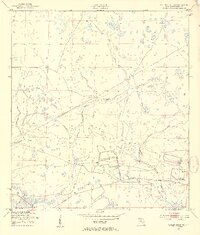
1953 Map of Taylor Creek NW
USGS Topo · Published 1954About this map
Taylor Creek and its network of seasonal drainage patterns define this Florida landscape, mapped just as the mid-century agricultural expansion was altering the regional hydrology. The terrain is characterized by a series of significant wetlands, including the extensive Fish Slough, Dad Island Slough, and Cypress Slough. These natural corridors are punctuated by local landmarks such as Dinner Hammock, a distinctive rise in an otherwise low-lying area. Evidence of early water management and land use is visible through the presence of several Flowing Wells and a Flowing Well, alongside a system of levees designed to control the movement of water across the flats. This survey by the U.S. Corps of Engineers provides a detailed view of the drainage infrastructure and natural sloughs that shaped the development of the Okeechobee interior before more modern large-scale interventions.
Find a feature on this map
12 named features on this map. Tap any name to fly to it.
Don’t see what you’re looking for? This feature index may not catch every label — zoom into the map to look around manually.
Map Details
Editions of this 1953 Taylor Creek NW Map
3 editions found
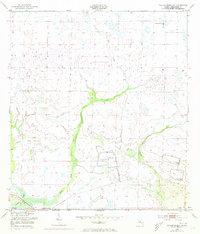
Other maps of this area
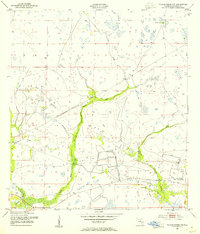
1953 · Taylor Creek NW
USGS Topo · 1:24,000
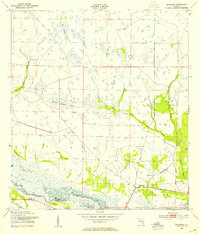
1953 · Basinger
USGS Topo · 1:24,000
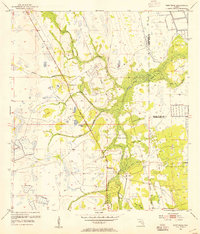
1953 · Fort Drum
USGS Topo · 1:24,000
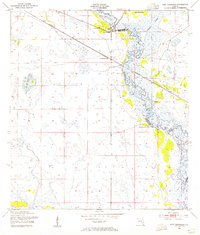
1953 · Fort Basinger
USGS Topo · 1:24,000
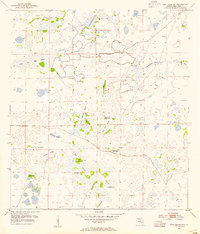
1953 · Fort Drum SW
USGS Topo · 1:24,000
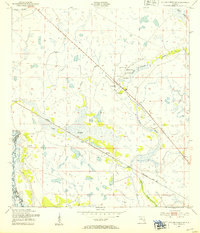
1953 · Taylor Creek SW
USGS Topo · 1:24,000
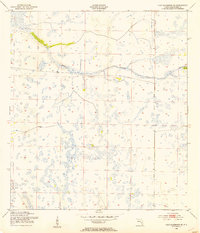
1953 · Fort Kissimmee SE
USGS Topo · 1:24,000
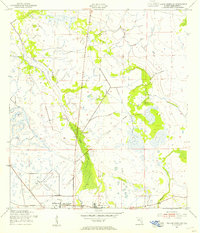
1953 · Taylor Creek SE
USGS Topo · 1:24,000
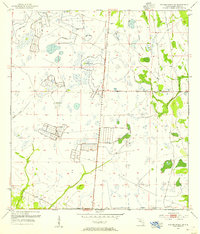
1953 · Taylor Creek NE
USGS Topo · 1:24,000
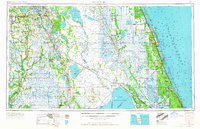
1956 · Fort Pierce
USGS Topo · 1:250,000