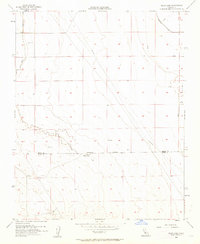
1954 Map of West Camp
USGS Topo · Published 1962About this map
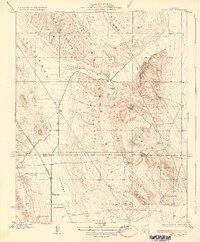
West Camp and the small settlement of Espy lie at the heart of this mid-century landscape where Kings and Kern Counties meet. The terrain is defined by a sophisticated system of water management and industrial infrastructure, visible through the network of Ditch and Levee lines that cross the arid basin. Near the southern boundary, an Oil Well and associated Oil Tank indicate the region's energy extraction roots, while a prominent Pipe Line bisects the quadrangle diagonally. The topographic relief of Sand Ridge stands out against the flatter sections of the valley, which are dotted with essential ranching and utility features like a Windmill, a Pump, and several scattered Water Tanks. This 1954 survey captures a moment when the San Joaquin Valley was intensifying its use of groundwater and petroleum resources through a strictly organized grid of sections and pipelines.
Find a feature on this map
13 named features on this map. Tap any name to fly to it.
Don’t see what you’re looking for? This feature index may not catch every label — zoom into the map to look around manually.
Map Details
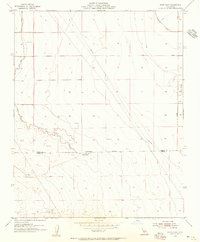
Editions of this 1954 West Camp Map
3 editions found
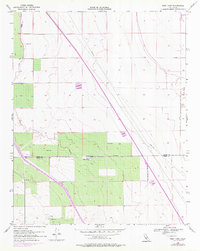
Other maps of this area
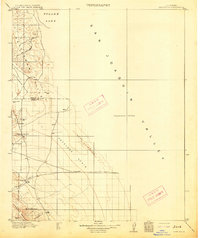
1914 · Lost Hills
USGS Topo · 1:125,000
1930 · Avenal Gap
USGS Topo · 1:31,680
1930 · Middle Dome
USGS Topo · 1:31,680
1931 · Harvester
USGS Topo · 1:31,680
1932 · Dudley Ridge
USGS Topo · 1:31,680
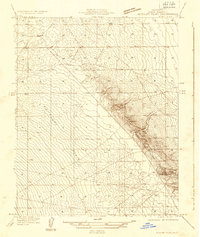
1932 · Antelope Plain
USGS Topo · 1:31,680
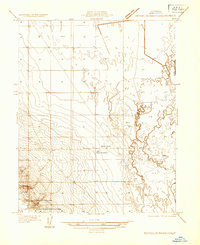
1932 · Reynolds Ranch
USGS Topo · 1:31,680
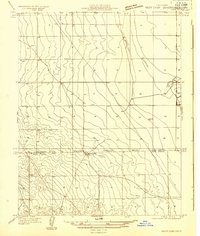
1932 · West Camp
USGS Topo · 1:31,680
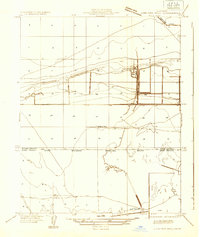
1932 · Lone Tree Well
USGS Topo · 1:31,680
1933 · Avenal Gap
USGS Topo · 1:31,680