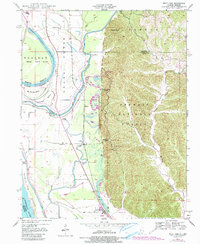
1947 Map of Wolf Lake
USGS Topo · Published 1990About this map
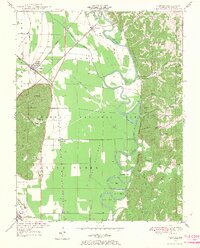
The Mississippi River floodplain dominates this 1940s landscape, where complex water systems like Tower Island Chute and Running Lake define the western border. Small settlements such as Aldridge, La Rue, and Wolf Lake are situated along the valley floor, connected by a network of levees and local roads that navigate the marshes and sloughs. To the east, the dramatic rise of the Pine Hills provides a sharp geological contrast, much of which is managed as part of the Shawnee National Forest. This intersection of river bottomlands and high bluffs created a unique environment for mid-century residents, evidenced by landmarks like Galilee Ch and the Pine Hills Campground. Researchers can observe how the drainage patterns of the Grand Tower Big Muddy River and Big Bayou influenced the placement of farms and small hamlets near Halsey and Kings Ferry.
Find a feature on this map
38 named features on this map. Tap any name to fly to it.
Don’t see what you’re looking for? This feature index may not catch every label — zoom into the map to look around manually.
Map Details
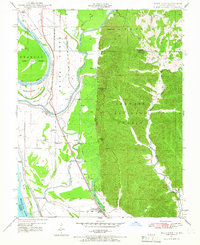
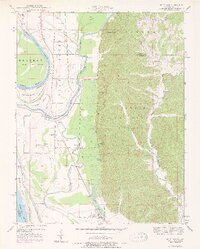
Editions of this 1947 Wolf Lake Map
3 editions found
Other maps of this area
1918 · Altenburg
USGS Topo · 1:62,500
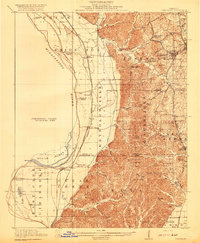
1920 · Jonesboro
USGS Topo · 1:62,500
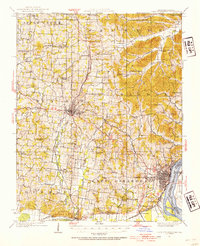
1922 · Cape Girardeau
USGS Topo · 1:62,500
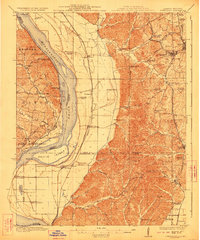
1923 · Jonesboro
USGS Topo · 1:62,500
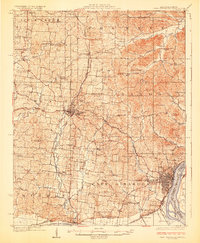
1924 · Cape Girardeau
USGS Topo · 1:62,500
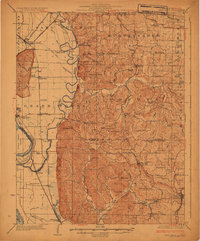
1924 · Alto Pass
USGS Topo · 1:62,500
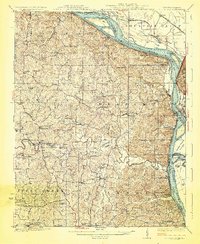
1925 · Altenburg
USGS Topo · 1:62,500
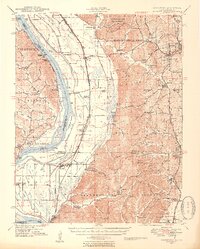
1947 · Jonesboro
USGS Topo · 1:62,500
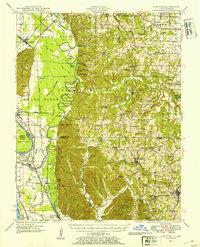
1947 · Alto Pass
USGS Topo · 1:62,500
1947 · Gorham
USGS Topo · 1:24,000