Old Maps of Page, Arizona for Hiking & Exploration
Hike through history with 43 historic maps of Page. Explore old trails, ghost towns, and forgotten backroads — perfect for outdoor adventurers and local explorers.
- Rediscover forgotten places: Map out old mining camps, roads, and footpaths that no longer exist on modern maps.
- Layer with modern tools: Combine with LiDAR or satellite views to plan hikes through historical terrain.
- Made for exploration: Popular among hikers, overlanders, and local history lovers.
Use these maps to find adventure and explore the hidden past of Page.
Page, AZ maps
(43)- 1886 Map of Escalante
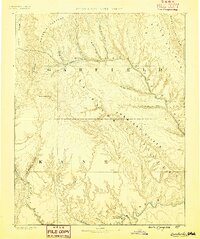 1886 Escalante1886 Print · USGSSouthern Utah in the late 1880s was a landscape of formidable geological barriers and isolated river crossings. Modern researchers can trace the early layout of Escalante and identify historic points like The Crossing of the Fathers and Potato Valley.5 unique versions available
 - 1886 Map of Echo Cliffs
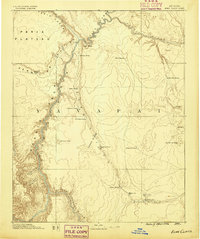 1886 Echo Cliffs1886 Print · USGSArizona's northern frontier remains a rugged expanse of high plateaus and deep river canyons during the late nineteenth century. Researchers can trace early travel routes through Lee Ferry and locate vital water stops like Jacobs Pools and Bitter Spring.2 unique versions available
 - 1891 Map of Echo Cliffs
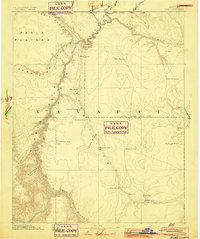 1891 Echo Cliffs1891 Print · USGSNorthern Arizona's river corridors and canyonlands appear here in the late nineteenth century, centered on the vital river crossing at Lee Ferry. Trace early frontier settlements like Tuba City and remote watering holes such as Navajo Spring and Jacobs Pools.8 unique versions available
 - 1951 Map of Lees Ferry NE, 1955 Print
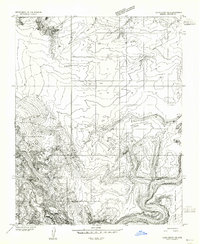 1951 Lees Ferry NE1955 Print · USGSCoconino County was a landscape of primitive tracks and deep canyons in the mid-1950s. Researchers can trace the winding Jeep Trail and the boundaries of the Navajo Indian Reservation along the banks of the Colorado River.
 - 1953 Map of Nipple Butte, 1956 Print
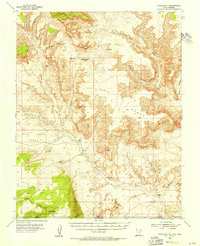 1953 Nipple Butte1956 Print · USGSThe high plateaus of the Utah-Arizona border are shown here in the early fifties, before the landscape was altered by massive downstream damming. Researchers can trace remote water sources and cattle-country landmarks like Jacobs Tanks, Alkali Seep, and the Windmill below Nipple Butte.2 unique versions available
 - 1954 Map of Lees Ferry SE, 1955 Print
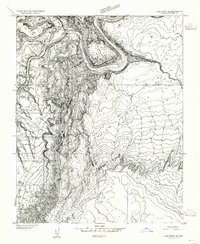 1954 Lees Ferry SE1955 Print · USGSThe Colorado River canyon in the mid-1950s reveals a critical frontier crossing at its moment of transition. Trace the remains of Lees Ferry (Aban'd) and its Cable Chair Crossing, or locate the desert outpost at Navajo Springs.
 - 1954 Map of Leche-E Rock, 1956 Print
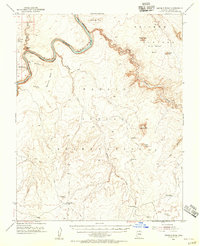 1954 Leche-E Rock1956 Print · USGSThe high plateaus of northern Arizona are captured here in the mid-1950s, highlighting the intricate canyon systems and traditional boundaries of the Navajo Indian Reservation. Researchers can trace remote desert routes and landmarks like Leche-e Rock, Manson Mesa, and Wild Horse Mesa.3 unique versions available
 - 1954 Map of Lees Ferry, 1956 Print
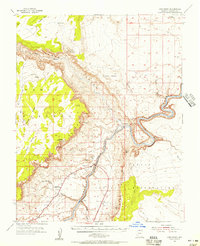 1954 Lees Ferry1956 Print · USGSThe Colorado River corridor near the Utah state line is captured here in the mid-fifties, showing the vital crossing at the Lees Ferry site. Researchers can trace early roads and river access points like the Landing Strip, Ferry Swale, and Vermilion Cliffs Lodge.4 unique versions available
 - 1956 Map of Escalante
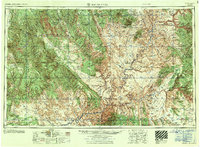 1956 Escalante1956 Print · USGSSouthern Utah and Northern Arizona are charted here in the mid-fifties, just before the canyon floor was transformed. Researchers can trace remote desert commerce at Oljeto Trading Post, find the Adairville (ruins), and locate Uranium mines.5 unique versions available
 - 1956 Map of Marble Canyon, 1964 Print
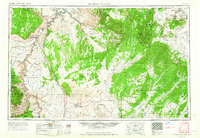 1956 Marble Canyon1964 Print · USGSNorthern Arizona and the borderlands of Utah are mapped here in the mid-fifties, showing a landscape defined by traditional trading posts and early uranium mining. Trace old routes between Tuba City and Kayenta, and locate historic sites like Lees Ferry and Inscription House Trading Post.4 unique versions available
 - 1959 Map of Marble Canyon
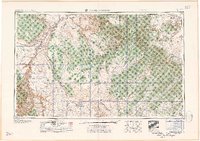 1959 Marble Canyon1959 Print · USGSNorthern Arizona in the late fifties is a vast landscape of tribal lands and desert plateaus defined by the carving of the Colorado River. Trace family roots and regional history at Tuba City, the Chilchinbito Trading Post, or the ancient Inscription House Ruin.
 - 1960 Map of Escalante
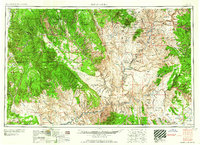 1960 Escalante1960 Print · USGSSouthern Utah and northern Arizona appear at a historic turning point in the late fifties as Lake Powell begins to reshape the canyons. Researchers can trace remote sites like Goulding Trading Post, a lonely Uranium Mine, and Coyote Ranches before the reservoir's rise.
 - 1961 Map of Marble Canyon
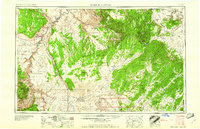 1961 Marble Canyon1961 Print · USGSThe northern Arizona desert in the early sixties reveals a landscape of tribal lands and canyon crossings. Trace the old river life at Lees Ferry, find the Uranium mill at Tuba City, and locate the iconic Elephant Feet landmarks.
 - 1981 Map of Lone Rock, 1982 Print
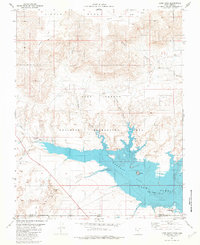 1981 Lone Rock1982 Print · USGSThe high desert borderlands of Utah and Arizona are captured here in the early eighties as the waters of Lake Powell filled the canyon floor. Researchers can trace the rugged shoreline of Wahweap Bay to find isolated Mines, Skylight Arch, and the namesake Lone Rock.3 unique versions available
 - 1984 Map of Glen Canyon Dam
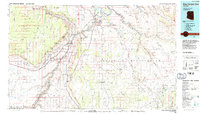 1984 Glen Canyon Dam1984 Print · USGSThe Colorado River corridor near the Utah border is captured here in the mid-eighties, centered on the rise of modern infrastructure in the desert. Researchers can trace the development of Page alongside historic sites like Lees Ferry and the Copper Mine Trading Post.2 unique versions available
 - 1985 Map of Smoky Mountain
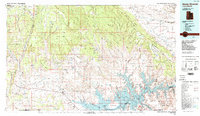 1985 Smoky Mountain1985 Print · USGSSouthern Utah in the mid-eighties was a landscape of rising reservoir waters and vast desert plateaus. Genealogists and historians can trace the topography around Adairville, the intricate shorelines of Lake Powell, and prominent heights like Navajo Mountain.2 unique versions available
 - 1985 Map of Ferry Swale
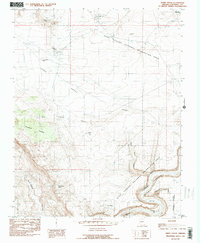 1985 Ferry Swale1985 Print · USGSThe high desert canyons north of the Colorado River are captured here in the mid-eighties as recreation and ranching converged. Researchers can trace the rugged topography of Thousand Pockets or locate desert water sources like Wildcat Tank and Hackberry Tank.2 unique versions available
 - 1985 Map of White Dome
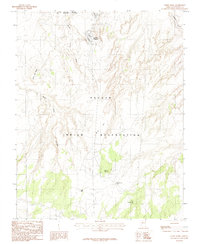 1985 White Dome1985 Print · USGSThe Navajo Indian Reservation in the mid-1980s reveals a landscape of high desert mesas and tribal centers. Researchers can trace landforms like Wide Flat Mesa and find localized settlements such as Leche-e Chapter or The Paved Place.
 - 1985 Map of Lees Ferry
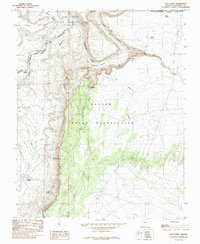 1985 Lees Ferry1985 Print · USGSThe Colorado River corridor near the Navajo border is documented here in the mid-eighties, centered on the historic river crossing. Researchers can locate the Lees Ferry settlement, trace the Echo Cliffs, and find local landmarks like Navajo Spring.
 - 1985 Map of Page, 1986 Print
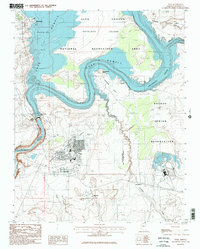 1985 Page1986 Print · USGSThe high-desert city of Page is shown in the mid-1980s, serving as a hub for the Glen Canyon Dam and Navajo lands. Researchers can trace the layout of Page on Manson Mesa and identify local landmarks like the Municipal Airport, Wahweap, and the Glen Canyon Dam.2 unique versions available
 - 1997 Map of Ferry Swale, 2003 Print
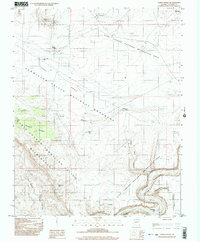 1997 Ferry Swale2003 Print · USGSCoconino County’s high-desert canyons and plateaus are captured here in the late twentieth century. Researchers can trace historic water sources like Bishops Tank and explore geographic landmarks including Thousand Pockets and Ferry Swale.
 - 1999 Map of Lees Ferry, 2003 Print
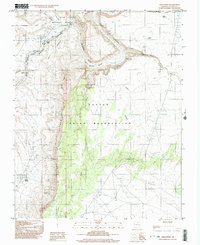 1999 Lees Ferry2003 Print · USGSThe Colorado River corridor near the Navajo Indian Reservation comes alive in this late-century survey of the historic crossing at Lees Ferry. Genealogists and researchers can trace the vicinity of Navajo Spring, a local Cem, and various prospects along the canyon rim.
 - 2011 Map of Ferry Swale, 2011 Print
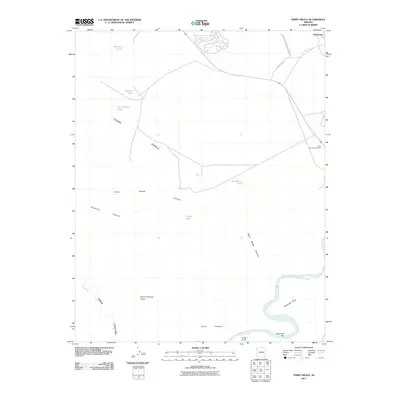 2011 Ferry Swale2011 Print · USGSThe high desert of northern Arizona near the Utah border is captured here in the early twenty-first century. Researchers can trace the path of the Colorado River past Eightmile Bar or locate remote landmarks like Dominguez Pass and Ferry Swale Tank.2 unique versions available
 - 2011 Map of Page, 2011 Print
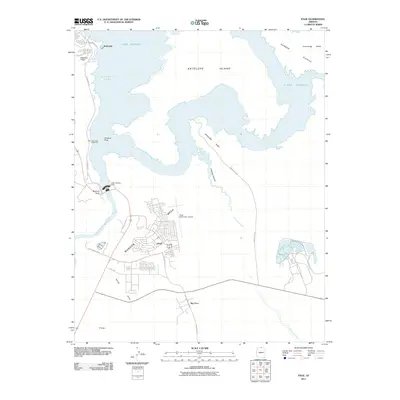 2011 Page2011 Print · USGSPage and the Glen Canyon recreation area are documented here during the early twenty-first century as the city expanded atop its desert mesa. Researchers can trace the developed waterfronts of Wahweap and Wahweap Bay or locate the massive Glen Canyon Dam and Beehive Rock.2 unique versions available
 - 2011 Map of Lone Rock, 2011 Print
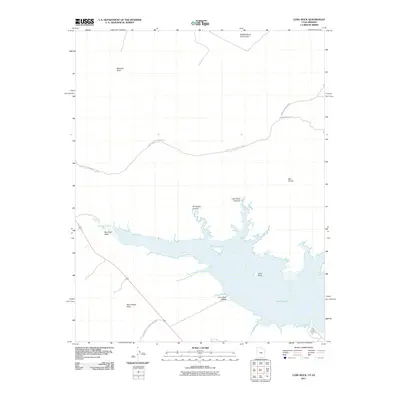 2011 Lone Rock2011 Print · USGSThe Arizona-Utah border region at the edge of the Colorado Plateau is documented here during the early twenty-first century. Researchers can trace the shoreline of Lake Powell to find landmarks like Lone Rock, Wiregrass Spring, and Stud Horse Point.
Showing maps 1-25 of 43
Top cities near Page
Frequently asked questions
- What are the different types of historical maps available for Page?
- What is the oldest map of Page?
- Where can I purchase historical maps of Page for my home or office?
- Where can I download high-res historical maps of Page?
- Are there historical topographic maps available for Page?
- Is there historical aerial imagery available for Page?
- Where are historical maps of Page sourced from?