2000s (21st Century) Maps of Lee County, Arkansas
Explore 91 historic maps of Lee County from the 2000s (21st Century). These maps offer a rare glimpse into what life looked like during the 2000s — showing old roads, neighborhoods, homes, and landmarks that have changed or disappeared over time.
Whether you're researching your family's past, planning a metal detecting trip, or studying how Lee County's landscape evolved across the 2000s, these high-resolution maps are a powerful tool for exploring the history of this region.
- Focus on a specific era: All maps on this page are from the 2000s, giving you a focused view of this time period.
- See what’s changed: Compare century-old streets, trails, and buildings to today's modern landscape using overlays and satellite layers.
- Research with precision: Use these maps for genealogy, historical research, land use analysis, or educational projects.
- View, download, or print: Maps are fully viewable online in high resolution, and can be downloaded or printed for your own records.
Start exploring Lee County's history through authentic maps from the 2000s. This is your window into the past.
Lee County, AR maps
(91)- 2011 Map of Moro, 2011 Print
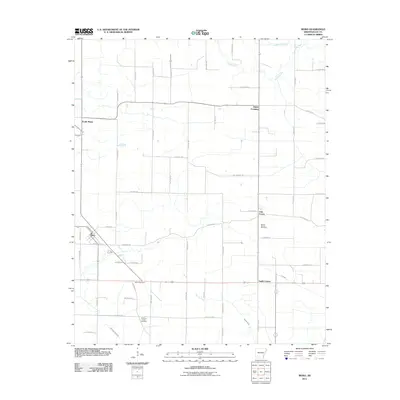 2011 Moro2011 Print · USGSLee County near the town of Moro is captured here during the early twenty-first century, showing a landscape of fertile plains and small rural junctions. Genealogists can trace family roots at Mount Moriah Cemetery or identify local landmarks like Holub Crossing and Oak Forest.
 - 2011 Map of Marianna, 2011 Print
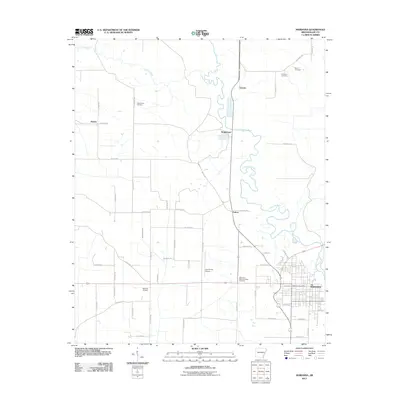 2011 Marianna2011 Print · USGSMarianna and the surrounding Lee County countryside are documented here during the early twenty-first century as the region balanced its riverine geography with modern aviation. Researchers can trace ancestral burial sites like Mound City Cemetery or follow the winding L'Anguille River past rural outposts such as Wrightland and Felton.
 - 2011 Map of Wheatley, 2011 Print
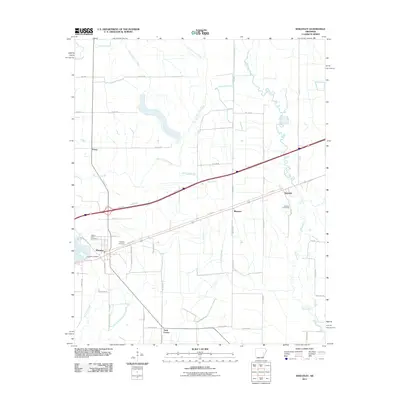 2011 Wheatley2011 Print · USGSWheatley and the surrounding St. Francis County bottomlands are captured here at the start of the 2010s. Researchers can locate family landmarks like Waldrop Cemetery and the Goodwin Cemeteries or trace the rural corners of Blossom and Nash Corner.
 - 2011 Map of Monroe, 2011 Print
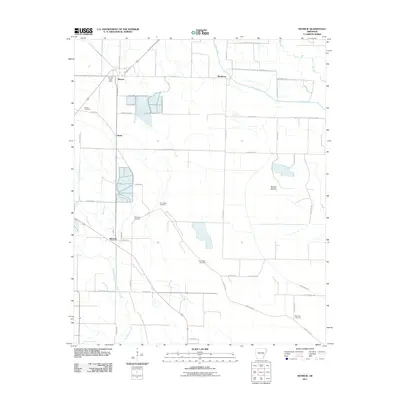 2011 Monroe2011 Print · USGSThis Lee County landscape at the start of the decade shows a community defined by its watercourses and rural industry. Genealogists can trace family footprints at Bonds Cemetery and New Life Cemetery or locate the old Monroe Post Office.
 - 2011 Map of Dansby, 2011 Print
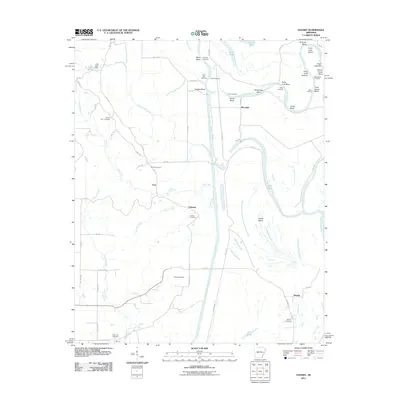 2011 Dansby2011 Print · USGSEastern Arkansas river country is shown here in the early twenty-first century, defined by the winding Saint Francis River. Researchers can trace old family sites at Casteel Cemetery and Dansby Cemetery or locate the former crossing at Quigley Crossing.
 - 2011 Map of Hughes, 2011 Print
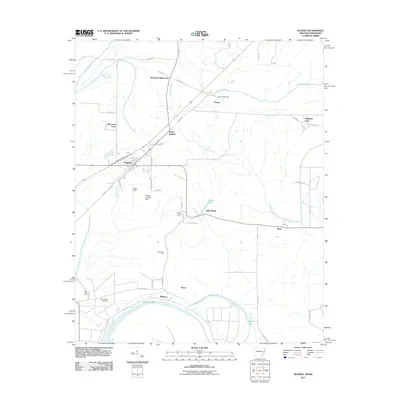 2011 Hughes2011 Print · USGSEastern Arkansas at the turn of the decade reveals a landscape of large-scale farming and bayou drainage centered on Hughes. Researchers can trace old family holdings like Davis Biggs Farm and Belle Meade or locate historical sites such as Saint Marys Cemetery.
 - 2011 Map of Tunica, 2011 Print
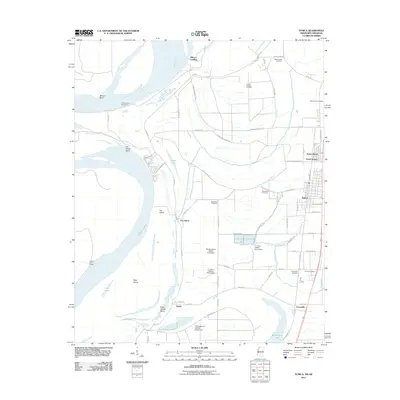 2011 Tunica2011 Print · USGSTunica County at the start of the twenty-first century shows a landscape defined by the Mississippi River and a specialized aquaculture economy. Researchers can trace family roots at Mount Nebo Cemetery or explore the settlements of Austin and Evansville.
 - 2011 Map of Brickeys, 2011 Print
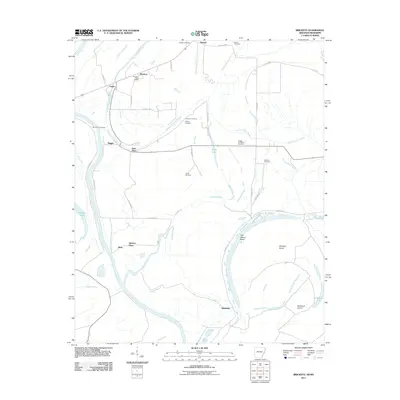 2011 Brickeys2011 Print · USGSThe Lee County riverlands in the early twenty-first century are mapped here as a network of bayous and alluvial farms. Researchers can trace family history through numerous rural burial grounds like Jackson Cemetery and Terrell Cemetery, or locate old community centers like Park Place and Whitehall.
 - 2011 Map of Garrett Grove, 2011 Print
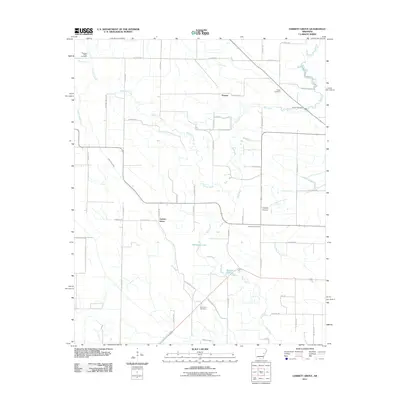 2011 Garrett Grove2011 Print · USGSGarrett Grove and the surrounding Lee County countryside are documented here in the early 2000s, showing a landscape shaped by the Arkansas Delta's drainage. Researchers can trace rural lineages through numerous local sites including Saint Paul Cemetery, Hopper, and Garrett Cemetery.
 - 2011 Map of Aubrey, 2011 Print
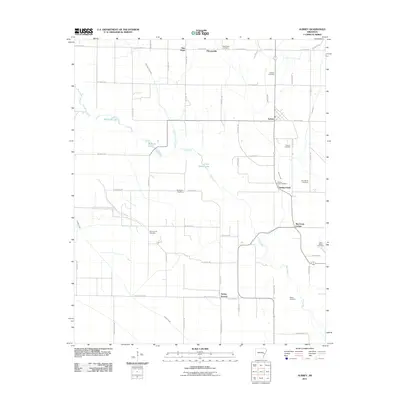 2011 Aubrey2011 Print · USGSThe rural Delta landscape near Aubrey is documented here just after the turn of the millennium, showing a region defined by its bayous and family cemeteries. Genealogists can trace historical burial sites like Saint Marks Cemetery, Antioch Cemetery, and the community of Turkey Scratch.
 - 2011 Map of La Grange, 2011 Print
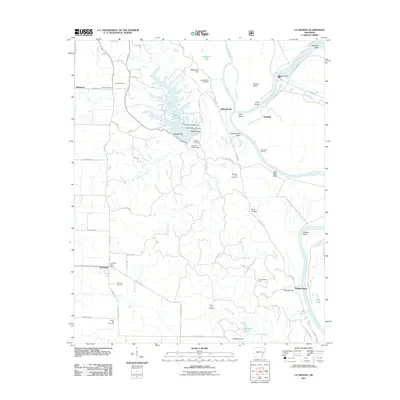 2011 La Grange2011 Print · USGSThe Arkansas delta near La Grange is mapped here in the early twenty-first century as a land of river bends and rural post offices. Genealogists can trace family landmarks like Lagrange Cemetery, Jeffersonville, and the Horn Lookout Tower.
 - 2011 Map of Rondo, 2011 Print
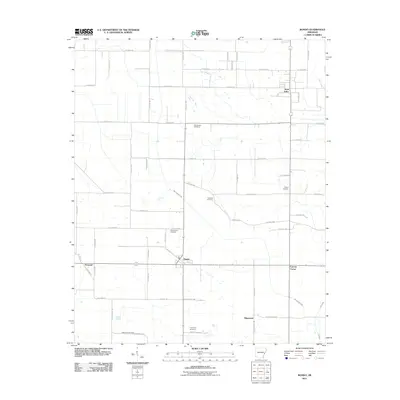 2011 Rondo2011 Print · USGSThe rural Arkansas Delta near Rondo is mapped here in detail during the early twenty-first century. Researchers can locate numerous local landmarks and family burial sites including Possum Trot Cemetery, Scott Valley, and Mount Zion Cemetery.
 - 2011 Map of Soudan, 2011 Print
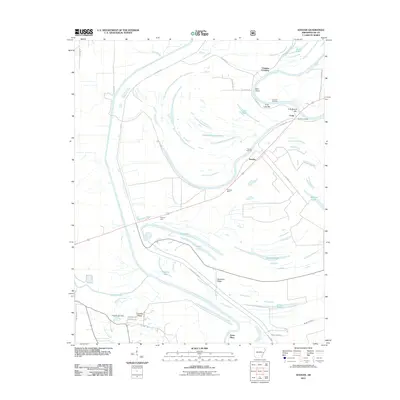 2011 Soudan2011 Print · USGSLee County, Arkansas, at the start of the decade reveals a delta landscape shaped by the St Francis Floodway and the river's edge. Researchers can trace historical sites from Soudan Landing to the Soudan Cemetery, and locate old settlements at Vanness Crossing and Cody.
 - 2011 Map of Palestine, 2011 Print
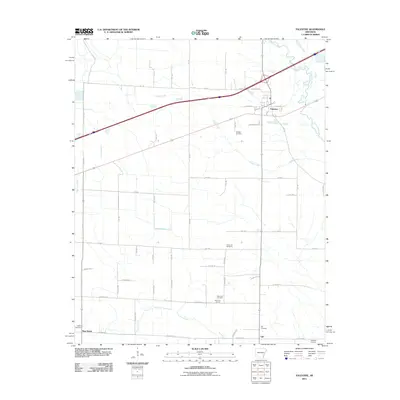 2011 Palestine2011 Print · USGSPalestine and the surrounding St. Francis County farmlands are shown here in the early twenty-first century. Genealogists and local historians can locate rural community markers such as Mars Hill Church, Westley Cemetery, and the small settlement of Gill.
 - 2011 Map of Haynes, 2011 Print
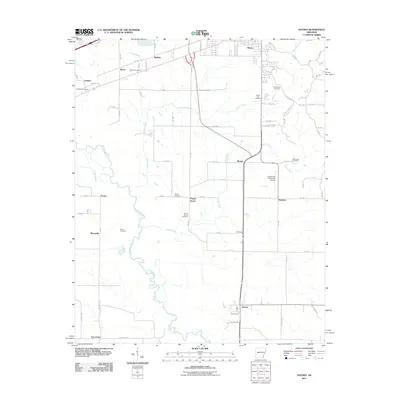 2011 Haynes2011 Print · USGSEastern Arkansas at the start of the 2010s reveals a structured agricultural landscape defined by the winding L'Anguille River. Local historians and genealogists can trace numerous rural burial sites like Mount Vernon Cemetery and small communities such as Haynes and Poplar Grove.
 - 2011 Map of Mud Lake, 2011 Print
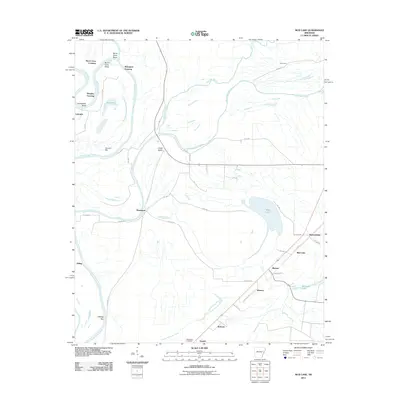 2011 Mud Lake2011 Print · USGSSt. Francis County at the turn of the decade exhibits a landscape deeply intertwined with the waters of the Saint Francis River. Researchers can trace the development of rural communities like Rawlinson and Bledsoe, or locate family sites near Bethlehem Cemetery.
 - 2011 Map of Stubbs Island, 2011 Print
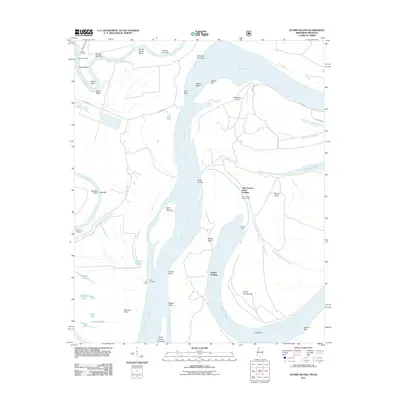 2011 Stubbs Island2011 Print · USGSThe Arkansas-Mississippi borderlands appear as a complex network of river channels and landings in the early twenty-first century. Genealogists and local historians can trace riverfront landmarks like Saint Francis Island Landing, Blue Point Landing, and the seasonal Tate Lodge.
 - 2011 Map of Council, 2011 Print
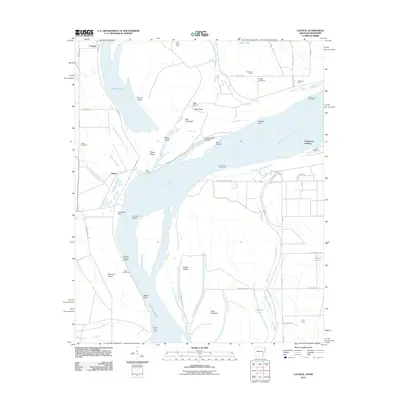 2011 Council2011 Print · USGSThe Arkansas-Mississippi borderlands along the great river are captured here in the early 21st century. Genealogists and local historians can trace family-named sites like Blue Point Farm, Happy Cemetery, and the historic river access at Commerce Landing.
 - 2012 Map of Tunica, 2012 Print
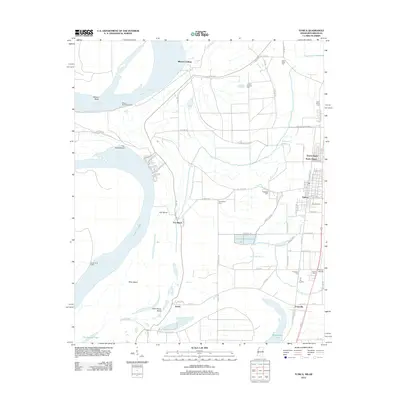 2012 Tunica2012 Print · USGSThe Mississippi Delta in the early twenty-first century remains a landscape defined by the river's historic shifts and oxbow lakes. Genealogists can trace family footprints across numerous local burial grounds such as Oakwood Cem and Mount Nebo Cem near the town of Tunica.
 - 2014 Map of Garrett Grove, 2014 Print
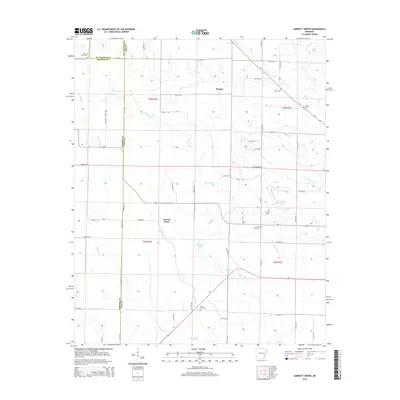 2014 Garrett Grove2014 Print · USGSGarrett Grove and the tri-county borderlands of Lee, Monroe, and St. Francis counties are shown here in the early twenty-first century. Family researchers can locate numerous burial sites like Pleasant Valley Cem, Prospect Cem, and Long Cane Cem.
 - 2014 Map of Monroe, 2014 Print
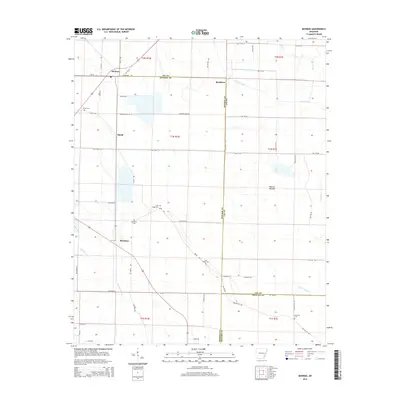 2014 Monroe2014 Print · USGSThe rural borders of Lee, Monroe, and Phillips counties come into focus in the early 2010s, showing a landscape defined by delta agriculture. Researchers can locate family landmarks like Bonds Cem and New Life Cem or trace the drainage of Warrior Bottom and Piney Creek.
 - 2014 Map of Wheatley, 2014 Print
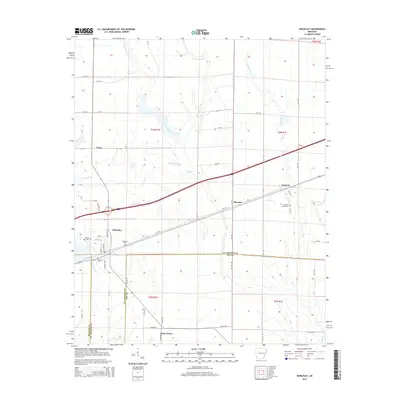 2014 Wheatley2014 Print · USGSWheatley and its neighboring delta settlements are captured here in the early twenty-first century, showing a landscape defined by agriculture and quiet crossroads. Researchers can trace local lineages through the Goodwin Cemeteries, Waldrop Cem, and the rural community of Blossom.
 - 2014 Map of Dansby, 2014 Print
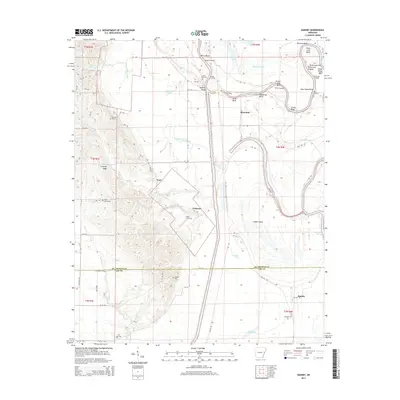 2014 Dansby2014 Print · USGSEastern Arkansas at the edge of the Mississippi Delta showcases a landscape of river bends and ridge lines. Researchers can trace family history through several rural burial grounds like Saint John Cem and Dansby Cem near the winding Saint Francis River.
 - 2014 Map of Aubrey, 2014 Print
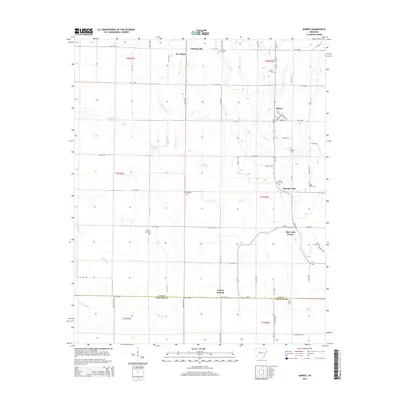 2014 Aubrey2014 Print · USGSEastern Arkansas at the turn of the decade reveals a landscape of small farming communities and historic rural cemeteries. Genealogists can trace family roots at Spring Creek Cem or Wilson Cem, while locating landmarks like Turkey Scratch and Aubrey.
 - 2014 Map of Moro, 2014 Print
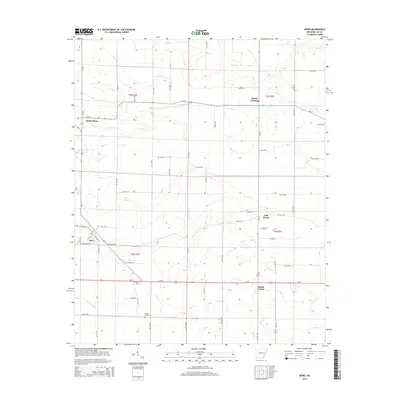 2014 Moro2014 Print · USGSMoro and its surrounding Lee County farmlands are captured in this mid-2010s survey, showing a landscape defined by traditional agricultural settlements and a complex web of rural roads. Researchers can locate family landmarks like Mt Moriah Cem or trace the development of crossroads like Oak Forest and Smith Corner.
Showing maps 1-25 of 91
Top cities of Lee County
- Marianna historical maps
- Moro historical maps
- Rondo historical maps
- Haynes historical maps
- Aubrey historical maps
- LaGrange historical maps
Frequently asked questions
- What are the different types of historical maps available for Lee County?
- What is the oldest map of Lee County?
- Where can I purchase historical maps of Lee County for my home or office?
- Where can I download high-res historical maps of Lee County?
- Are there historical topographic maps available for Lee County?
- Is there historical aerial imagery available for Lee County?
- Where are historical maps of Lee County sourced from?