Old Maps of Weed, California for Genealogy
Trace your family roots with 23 historic maps of Weed. These high-res maps reveal old neighborhoods, homesites, landmarks, and streets — helping you uncover where your ancestors lived and how the area evolved over time.
- Explore historic neighborhoods: Identify where your relatives may have lived in the 1800s or 1900s.
- Compare maps over time: Trace the changes in streets, buildings, and landmarks for multi-generational research.
- Perfect for genealogy & ancestry research: Used by family historians and researchers to map out lineage and migration.
These maps are an incredible resource for exploring your personal connection to Weed's past.
Weed, CA maps
(23)- 1886 Map of Shasta
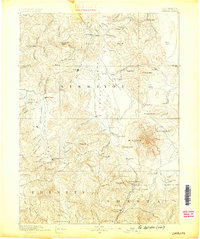 1886 Shasta1886 Print · USGSUpper California in the mid-1880s is captured here during the height of the mining era and the early days of mountain tourism. Genealogists can locate family holdings near Yreka, trace river crossings like the ferry at Oaks Bar, or find early resorts at Upper Soda Spring.3 unique versions available
 - 1894 Map of Shasta, 1903 Print
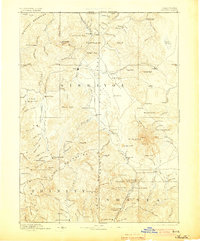 1894 Shasta1903 Print · USGSNorthern California at the turn of the century reveals a landscape defined by the shadow of Mt Shasta and a booming mining economy. Genealogists can trace family roots through pioneer settlements like Yreka, Fort Jones, and the Callahan Ranch as the frontier transitioned into a network of established ranching and timber hubs.8 unique versions available
 - 1922 Map of Shasta Valley Sheet No 9
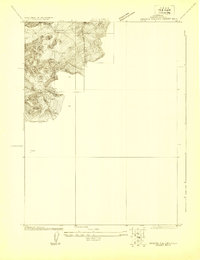 1922 Shasta Valley Sheet No 91922 Print · USGSSiskiyou County irrigation and reclamation efforts come into focus in the early 1920s as engineers surveyed this corner of the valley. Researchers can trace the precise terrain and drainage near Weed and locate the historic Moffit Mill in its original setting.
 - 1922 Map of Shasta Valley Sheet No 8
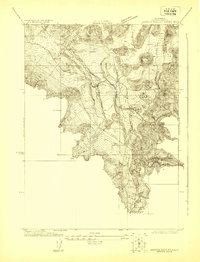 1922 Shasta Valley Sheet No 81922 Print · USGSSiskiyou County's high-valley transport corridor is captured here in the early 1920s as the rail and highway networks expanded. Trace the development of early settlements at Edgewood and Metcalf or locate the historic Parks Creek School.
 - 1935 Map of Dunsmuir
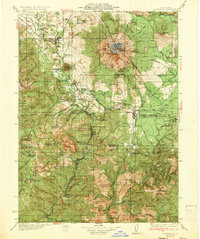 1935 Dunsmuir1935 Print · USGSUpper Siskiyou and Shasta counties are shown here in the mid-1930s as the rail and timber industries shaped the mountain landscape. Genealogists and historians can trace the Southern Pacific line through Dunsmuir, locate the Cedar Park Sch, or find vanished stops like Sims Sta.4 unique versions available
 - 1948 Map of Weed, 1950 Print
 1948 Weed1950 Print · USGSNorthern California and Southern Oregon are captured here during the post-war era, documenting the mountain-and-valley economies of the Klamath and Cascade ranges. Trace the legacy of local mining and timber at the King Solomon Mine, find old schools like Siskiyou County School, and follow the historic Southern Pacific RR route.2 unique versions available
 - 1950 Map of Weed
 1950 Weed1950 Print · USGSSiskiyou County and the surrounding Klamath mountains appear in the mid-century before extensive modern development. Genealogists and local historians can locate remote outposts like the Lee Brown Ranch and the specialized settlement of Darlingtonia.
 - 1954 Map of Weed, 1956 Print
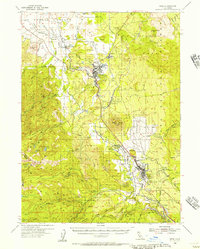 1954 Weed1956 Print · USGSMount Shasta and its surrounding timber towns come alive in this mid-century survey of Siskiyou County. Researchers can trace the path of the Southern Pacific through Weed and Edgewood, or locate specific landmarks like the Fish Hatchery and Mott.3 unique versions available
 - 1958 Map of Weed, 1963 Print
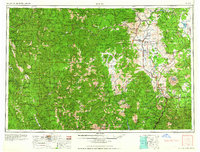 1958 Weed1963 Print · USGSThe Northern California high country of the late fifties is defined by the towering presence of Mt Shasta and the logging railroads of the Siskiyou range. Genealogists and researchers can trace remote mining sites like the China Mine and mountain settlements such as Sawyers Bar and Seiad Valley.3 unique versions available
 - 1963 Map of Weed
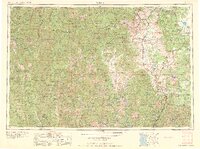 1963 Weed1963 Print · USGSNorthern California during the early 1960s shows a landscape of steep mountain ranges and river-fed valleys at the height of the timber era. Researchers can trace the routes of the McCloud River RR, locate remote sites like the Holiday Mine, or find ancestral markers at the Scott Valley Cem.
 - 1979 Map of Mount Shasta
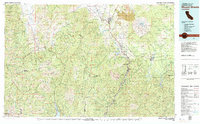 1979 Mount Shasta1979 Print · USGSUpper California's mountainous landscape appears in the late seventies as a busy network of timber towns, railroads, and high-altitude mining claims. Trace the legacy of extraction and industry through the Southern Pacific rail line and sites like McCloud and the Bonanza King Mine.3 unique versions available
 - 1986 Map of Weed
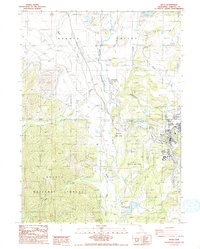 1986 Weed1986 Print · USGSSiskiyou County in the mid-eighties shows a landscape of mountain timber and valley industry centered on the town of Weed. Researchers can trace the legacy of the Southern Pacific railroad and find localized landmarks like Edgewood, the Dwight Hammond Reservoir, and an Observatory.
 - 1986 Map of Hotlum
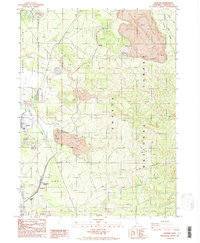 1986 Hotlum1986 Print · USGSThe northern foothills of Mount Shasta come into focus in the mid-1980s, documenting a landscape shaped by volcanic activity and the timber industry. Researchers can trace the layout of Hotlum and the eastern outskirts of Weed near the vast Shasta National Forest.2 unique versions available
 - 1998 Map of Weed, 2003 Print
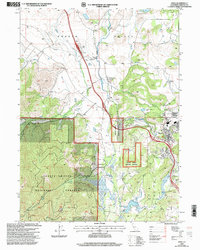 1998 Weed2003 Print · USGSThe northern reaches of the Shasta Valley come into focus in the late nineties, centered on the community of Weed. Researchers can trace the legacy of the region through the Winema Cem, the Butteville Union School in Edgewood, and the College of the Siskiyous.
 - 1998 Map of Hotlum, 2003 Print
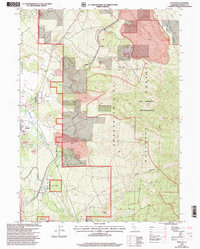 1998 Hotlum2003 Print · USGSThe volcanic foothills of Siskiyou County are captured here in the late 1990s as industry and wilderness meet. Researchers can trace the layout of Weed and Hotlum, or locate specific landmarks like the Log Pond, Cinder Pits, and Black Butte Spring.
 - 2012 Map of Hotlum, 2012 Print
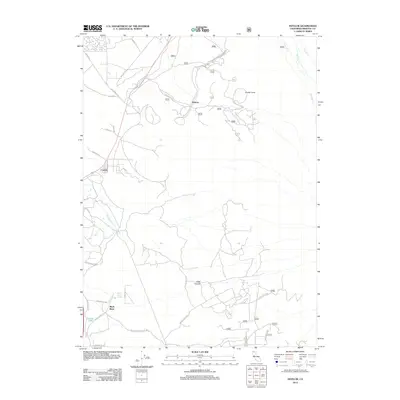 2012 Hotlum2012 Print · USGSSiskiyou County's volcanic uplands are documented here in the early twenty-first century, showing the small settlements of Hotlum and Carrick. Researchers can trace the local drainage of Black Butte Spring and the forest road network leading to Black Butte.
 - 2012 Map of Weed, 2012 Print
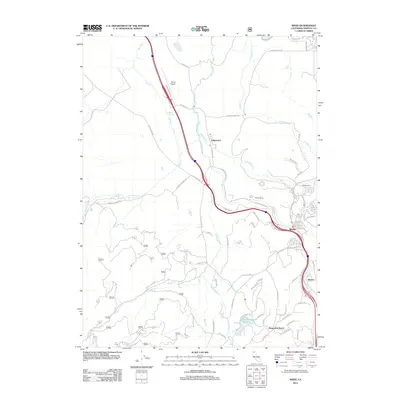 2012 Weed2012 Print · USGSThe community of Weed and its surrounding ranch lands are captured here in the early 2010s. Researchers can trace property and family histories near the Winema Cem, the settlement of Igerna, and landmarks like the Dwight Hammond Reservoir.
 - 2015 Map of Hotlum, 2015 Print
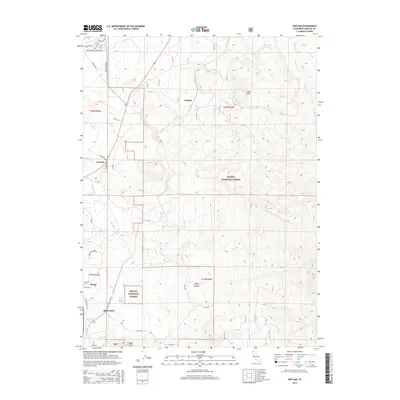 2015 Hotlum2015 Print · USGSThe foothills of Mount Shasta come into focus in this 2010s-era survey of northern Siskiyou County. Researchers can trace the transition from the streets of Weed and Carrick to wilderness landmarks like Black Butte, Cinder Cone, and Diller Canyon.
 - 2015 Map of Weed, 2015 Print
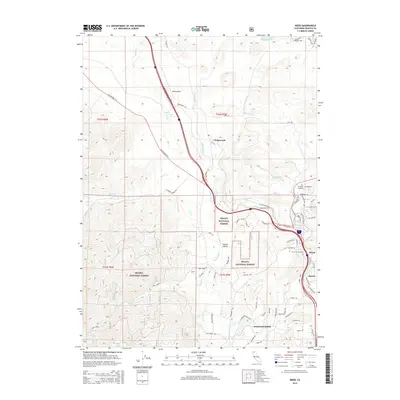 2015 Weed2015 Print · USGSThe foothills and valley floor of Siskiyou County are shown here in detail during the mid-2010s. Researchers can locate family landmarks like the Winema Cemetery, the College of the Siskiyous, and the small settlement of Igerna.
 - 2018 Map of Weed, 2018 Print
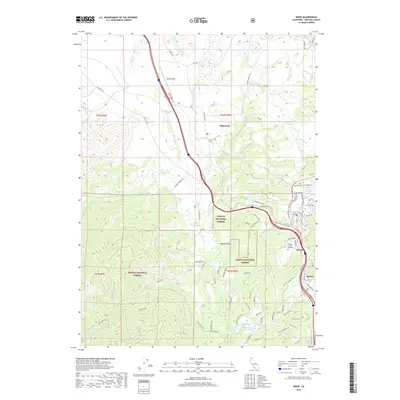 2018 Weed2018 Print · USGSThe northern California timber and ranching country comes to life in this survey of the Shasta Valley at the dawn of the twenty-first century. Genealogists and local historians can trace the foundations of Weed, find Winema Cem, and locate the small settlement of Igerna.
 - 2018 Map of Hotlum, 2018 Print
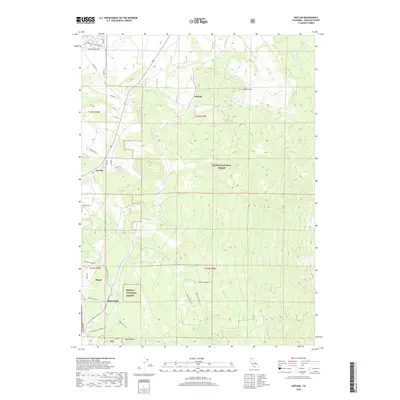 2018 Hotlum2018 Print · USGSNorthern California’s timber and volcanic landscapes are captured here in the late twenty-teens. Researchers can trace the interface of Shasta National Forest with the communities of Weed, Carrick, and the railway-associated Hotlum.
 - 2021 Map of Weed, 2021 Print
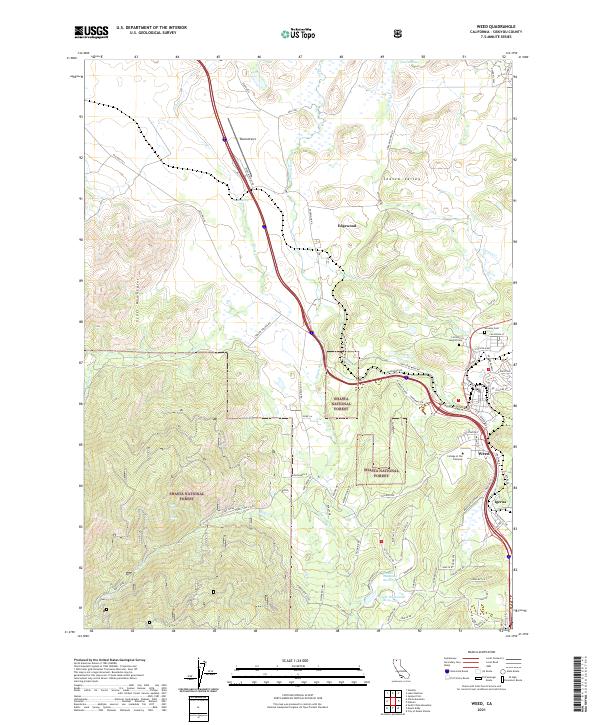 2021 Weed2021 Print · USGSSiskiyou County's timber and transit corridor comes alive in the early twenty-first century as the rail lines and mountain roads converge in Weed. Genealogists and local historians can trace burial sites at Winema Cem and follow the old routes of Edgewood and Igerna.
 - 2022 Map of Hotlum, 2022 Print
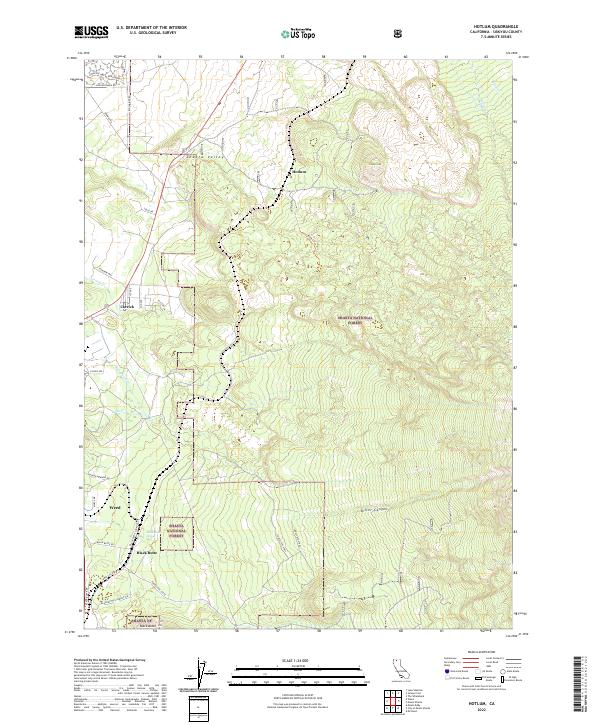 2022 Hotlum2022 Print · USGSSiskiyou County's volcanic landscape is documented here in the early 2020s, showing the intersection of forest lands and valley settlements. Researchers can trace the local infrastructure around Weed and Carrick or locate landmarks like Black Butte and Cinder Cone.
End of results
Showing maps 1-23 of 23
Top cities near Weed
Frequently asked questions
- What are the different types of historical maps available for Weed?
- What is the oldest map of Weed?
- Where can I purchase historical maps of Weed for my home or office?
- Where can I download high-res historical maps of Weed?
- Are there historical topographic maps available for Weed?
- Is there historical aerial imagery available for Weed?
- Where are historical maps of Weed sourced from?