2000s (21st Century) Maps of Elbert County, Colorado
Explore 240 historic maps of Elbert County from the 2000s (21st Century). These maps offer a rare glimpse into what life looked like during the 2000s — showing old roads, neighborhoods, homes, and landmarks that have changed or disappeared over time.
Whether you're researching your family's past, planning a metal detecting trip, or studying how Elbert County's landscape evolved across the 2000s, these high-resolution maps are a powerful tool for exploring the history of this region.
- Focus on a specific era: All maps on this page are from the 2000s, giving you a focused view of this time period.
- See what’s changed: Compare century-old streets, trails, and buildings to today's modern landscape using overlays and satellite layers.
- Research with precision: Use these maps for genealogy, historical research, land use analysis, or educational projects.
- View, download, or print: Maps are fully viewable online in high resolution, and can be downloaded or printed for your own records.
Start exploring Elbert County's history through authentic maps from the 2000s. This is your window into the past.
Elbert County, CO maps
(240)- 2010 Map of T Draw, 2010 Print
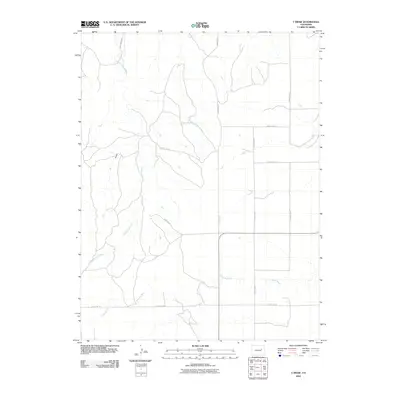 2010 T Draw2010 Print · USGSElbert County, Colorado, is captured here in the early twenty-first century as a landscape of open plains and rural routes. You can trace the path of the Arikaree River and Middlemist Creek alongside local landmarks like T Draw.
 - 2010 Map of Agate, 2010 Print
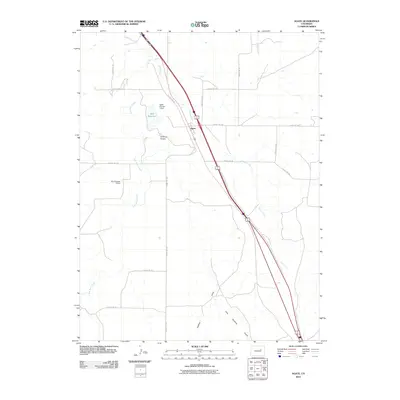 2010 Agate2010 Print · USGSElbert County ranching country comes into focus at the turn of the millennium, centered on the rural crossroads of Agate. Genealogists and local historians can trace family land proximity to landmarks like Ball Reservoir, Godfrey Gulch, and the East Bijou Creek drainage.
 - 2010 Map of Barking Dog Spring, 2010 Print
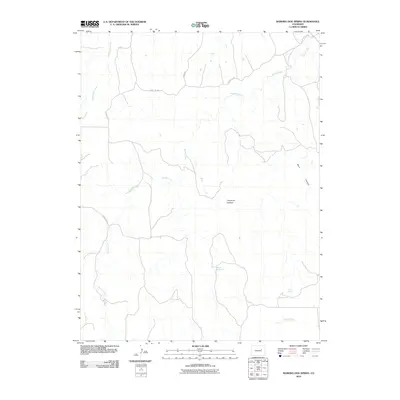 2010 Barking Dog Spring2010 Print · USGSElbert County is shown in the early twenty-first century as a rural ranching landscape defined by its vital water sources. Researchers can trace the drainages of the Arikaree River or locate remote landmarks like Barking Dog Spring and Cheyenne Lookout.
 - 2010 Map of River Bend, 2010 Print
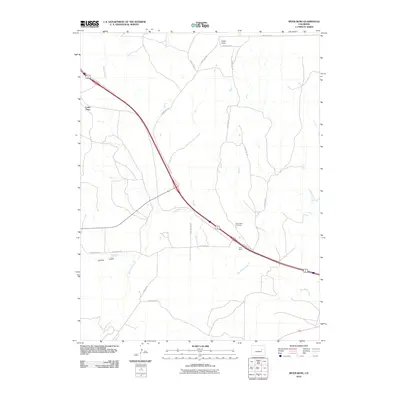 2010 River Bend2010 Print · USGSElbert County's high plains are captured here in the early twenty-first century as life centers around the drainage of Big Sandy Creek. Family historians can locate the River Bend Cemetery and trace the paths between the settlements of River Bend and Cedar Point.
 - 2010 Map of Matheson SE, 2010 Print
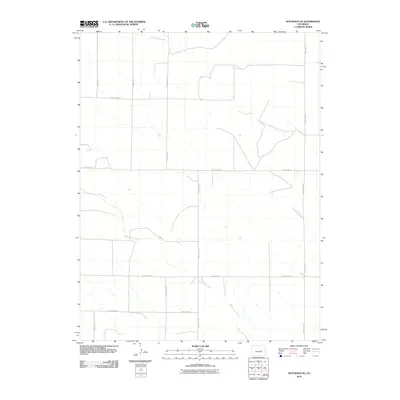 2010 Matheson SE2010 Print · USGSElbert County at the start of the 2010s shows a landscape of steady ranching tradition and high plains topography. Genealogists and local historians can trace the rural road network and ephemeral waterways like North Rush Creek and Apache Creek.
 - 2010 Map of Beuck Draw, 2010 Print
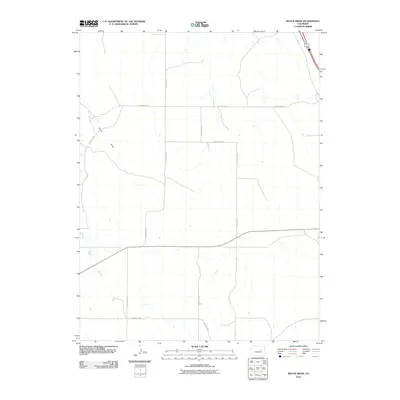 2010 Beuck Draw2010 Print · USGSElbert County is shown as a vast landscape of high plains ranching and drainage networks during the early twenty-first century. Researchers can trace rural property access and water sources along the Beuck Draw and the intersections of County Hwy 134 and 153 Rd.
 - 2010 Map of Last Chance SW, 2010 Print
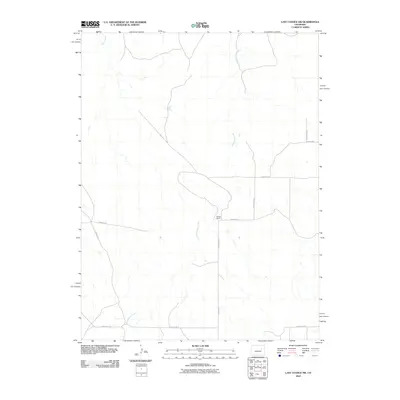 2010 Last Chance SW2010 Print · USGSThe eastern Colorado plains of the early 21st century are documented here, showing a landscape defined by ranching and intermittent waterways. Genealogists and historians can trace property boundaries and rural access near Brooks Ranch and the winding course of Middlemist Creek.
 - 2010 Map of Noonen Reservoir SW, 2010 Print
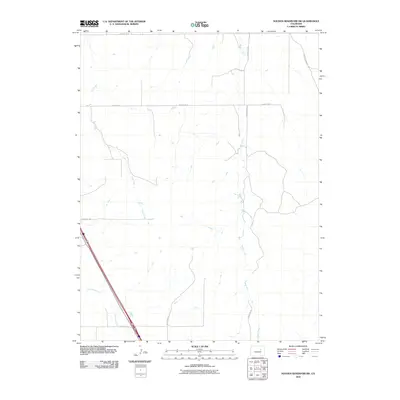 2010 Noonen Reservoir SW2010 Print · USGSArapahoe County at the start of the 2010s shows a landscape of open plains defined by its creek beds and a rigid grid of rural roads. Researchers can trace the paths of First Creek, Muddy Creek, and East Bijou Creek along with long-standing routes like Central Ridge Rd.
 - 2010 Map of Matheson SW, 2010 Print
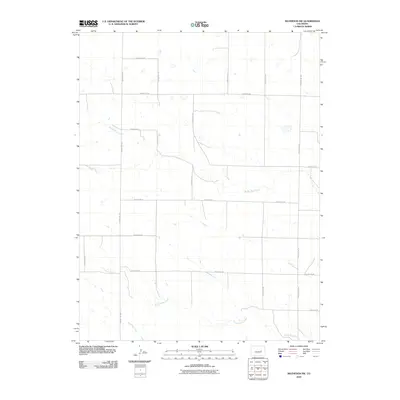 2010 Matheson SW2010 Print · USGSElbert County's high plains are documented here in the early 2000s, showing a vast grid of ranch roads and prairie drainages. Genealogists and land researchers can trace property access via County Rd-46 or follow the paths of Middle Rush Creek and Antelope Creek.
 - 2010 Map of Matheson NE, 2010 Print
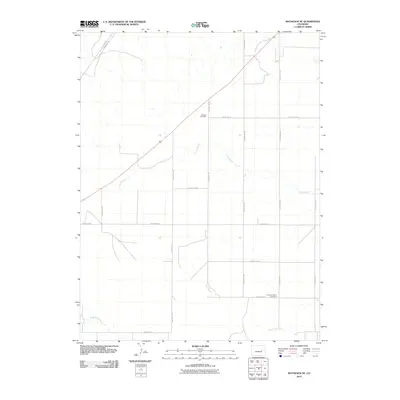 2010 Matheson NE2010 Print · USGSElbert County's high prairie reaches are captured here in the early twenty-first century, showing a landscape defined by ranching and quiet rural history. Genealogists and local researchers can locate Dunkers Cemetery and Pleasant Plains Cemetery among the grid of routes like County Rd-181.
 - 2010 Map of Long Creek, 2010 Print
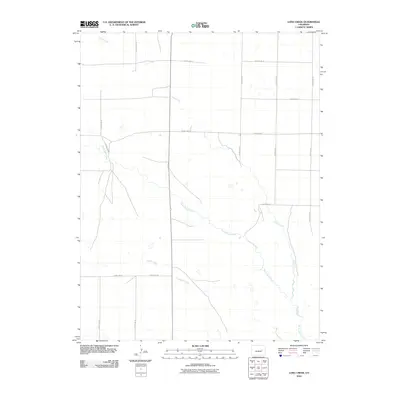 2010 Long Creek2010 Print · USGSElbert County, Colorado, is shown in the early twenty-first century as a landscape of intermittent streams and an extensive rural road network. Genealogists and local historians can trace the paths of North Rush Creek, Long Creek, and Apache Creek through this ranching country.
 - 2010 Map of Cottonwood Valley South, 2010 Print
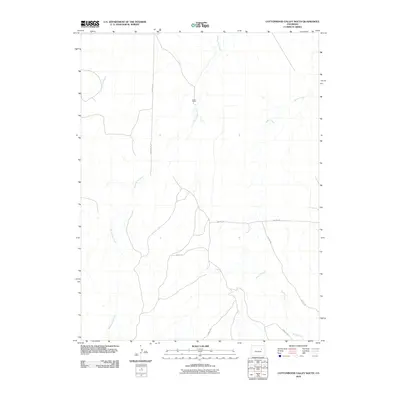 2010 Cottonwood Valley South2010 Print · USGSArapahoe County at the beginning of the 2010s shows a landscape of ranching and rural development defined by its vital waterways. Researchers can trace land boundaries and local travel routes through sites like Cross J Ranch and along Beaver Creek or Four Mile Rd.
 - 2010 Map of Lake, 2010 Print
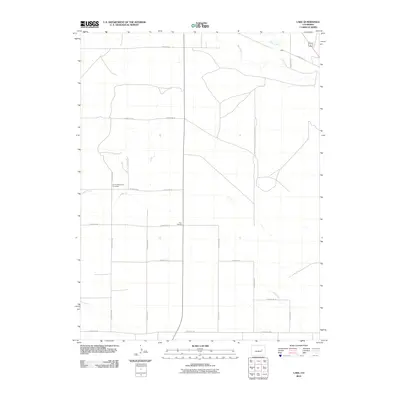 2010 Lake2010 Print · USGSElbert County's high plains are mapped here in the early twenty-first century, showing the enduring grid of agricultural roads. Researchers can locate the Limon Mennonite Cemetery and trace the drainage of Big Sandy Creek and Long Branch through the settlement at Four Corners.
 - 2010 Map of Matheson, 2010 Print
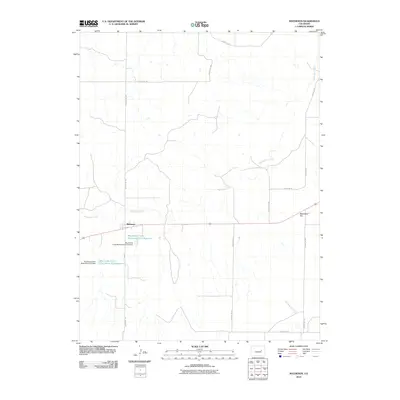 2010 Matheson2010 Print · USGSMatheson and the surrounding Elbert County high plains are captured here in the early twenty-first century. Researchers can trace the water infrastructure of Big Sandy Creek and the local road network connecting Matheson Hill to the main settlement at Matheson.
 - 2010 Map of Rush, 2010 Print
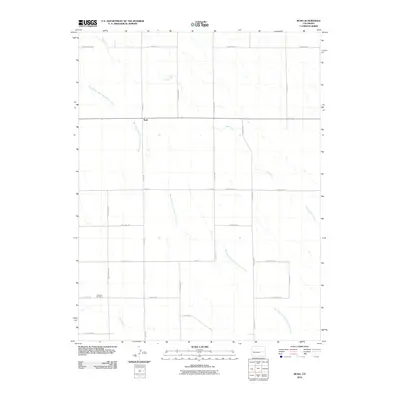 2010 Rush2010 Print · USGSThe rural plains of El Paso County are captured here in the early twenty-first century, centered on the crossroads at Rush. Researchers can locate legacy family landmarks like Crescent Cemetery and follow the seasonal flow of Steels Fork and Pond Creek.
 - 2010 Map of Fondis, 2010 Print
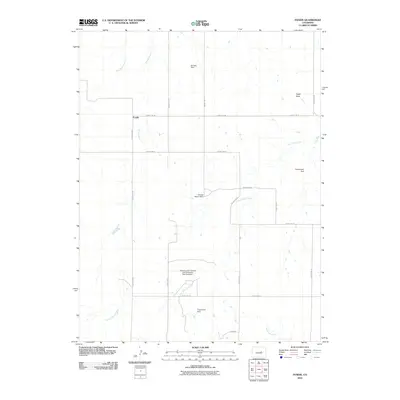 2010 Fondis2010 Print · USGSElbert County rangeland is captured here in the early twenty-first century, centered on the rural crossroads of Fondis. Genealogists and local historians can trace family-named landmarks like Trojanovich Dam, Ramsey Dam, and the geological feature Eagle Rock.
 - 2010 Map of Strasburg SW, 2010 Print
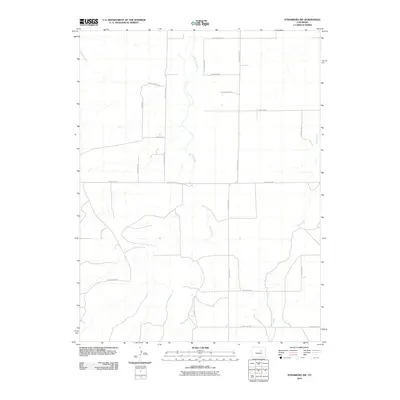 2010 Strasburg SW2010 Print · USGSArapahoe County at the end of the first decade of the new millennium shows the steady reach of suburban influence into the High Plains. Researchers can trace the drainage of Kiowa Creek or locate rural corridors like S County Rd-137 and Sun Country Dr.
 - 2010 Map of Ponderosa Park, 2010 Print
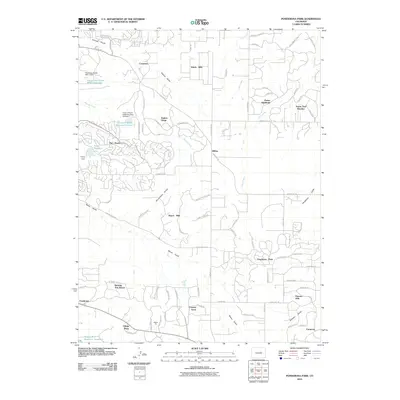 2010 Ponderosa Park2010 Print · USGSThe Douglas County high plains south of Parker are shown here during a period of significant residential expansion. Researchers can trace the development of master-planned communities like The Pinery and Ponderosa Park alongside the industrial Walker Pit.
 - 2010 Map of Kiowa NW, 2010 Print
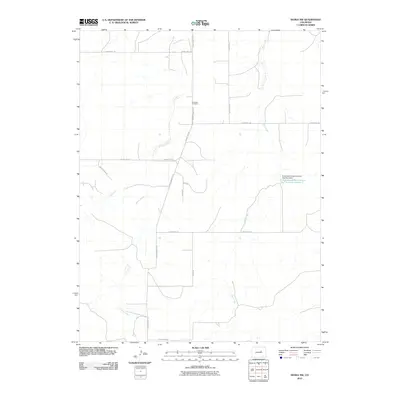 2010 Kiowa NW2010 Print · USGSElbert County's rural landscape at the start of the decade is defined by a traditional grid of section roads and winding prairie waterways. Researchers can locate the Ebenezer Cemetery and trace the paths of Kiowa Creek and Wolf Creek.
 - 2010 Map of Cabin Gulch, 2010 Print
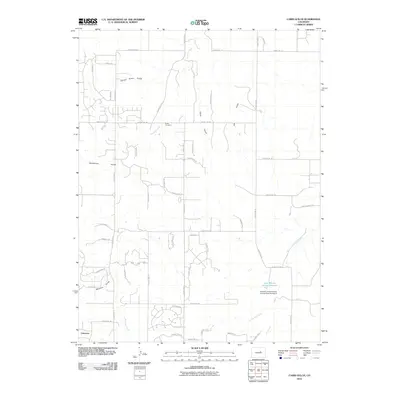 2010 Cabin Gulch2010 Print · USGSElbert County is shown in its modern rural character, defined by a network of gulches and creeks. Family historians can locate Miller Cemetery or trace water management sites like the Stroh Erosion Control Reservoir and Whiskey Gulch.
 - 2010 Map of Bijou, 2010 Print
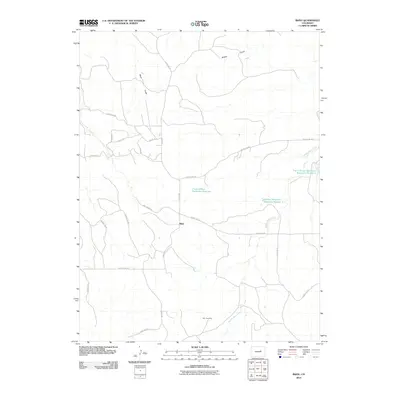 2010 Bijou2010 Print · USGSElbert County's high plains are documented here in the early twenty-first century, showing a landscape shaped by ranching and essential water management. Genealogists and local historians can locate Gair Cemetery and trace the paths of Middle Bijou Creek and Willow Gulch.
 - 2010 Map of Simla, 2010 Print
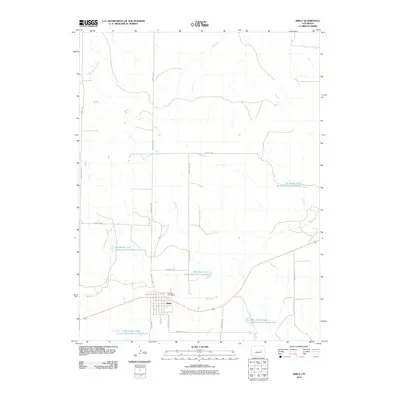 2010 Simla2010 Print · USGSThe rural plains of Elbert County are captured here in the early 2000s, centered on the small settlement of Simla. Local historians and genealogists can trace the town's footprint, locate the Simla Cemetery, and study the watershed system including Big Sandy Creek Watershed N-21 Reservoir.
 - 2010 Map of Kuhns Crossing, 2010 Print
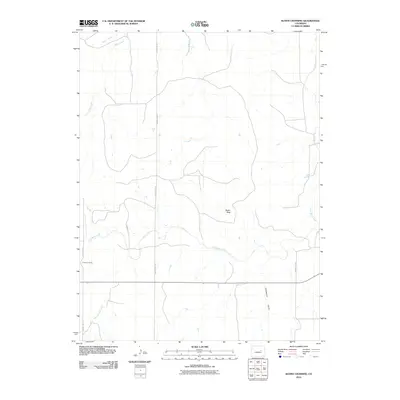 2010 Kuhns Crossing2010 Print · USGSElbert County at the start of the 21st century remains a landscape of open prairie and deep-cut creek beds. Researchers can trace the rural road network connecting Kuhns Crossing to landmarks like Rocky Peak and the curiously named Sixshooter Gulch.
 - 2010 Map of Byers SW, 2010 Print
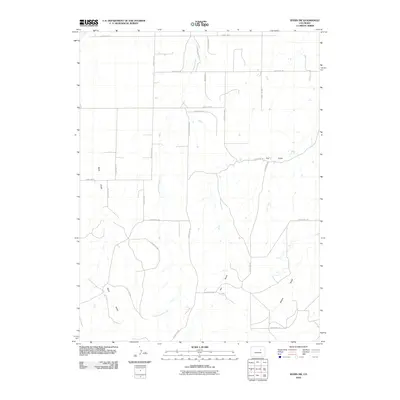 2010 Byers SW2010 Print · USGSEastern Arapahoe County was characterized by wide-open prairie and a rigid road grid in the early twenty-first century. Genealogists and land researchers can trace the paths of Rattlesnake Creek or locate family homesteads along Woodis Rd and Behrens Rd.
 - 2010 Map of Big Gulch, 2010 Print
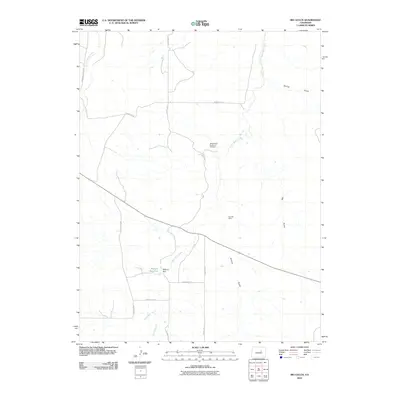 2010 Big Gulch2010 Print · USGSElbert County's high plains are documented here in the early twenty-first century, showing a landscape shaped by intermittent creeks and cattle ranching. Researchers can locate family landmarks like the Wiedemeyer-Brockman Cemetery and the Stander Mine.
Showing maps 1-25 of 240
Top cities of Elbert County
Frequently asked questions
- What are the different types of historical maps available for Elbert County?
- What is the oldest map of Elbert County?
- Where can I purchase historical maps of Elbert County for my home or office?
- Where can I download high-res historical maps of Elbert County?
- Are there historical topographic maps available for Elbert County?
- Is there historical aerial imagery available for Elbert County?
- Where are historical maps of Elbert County sourced from?