Old Maps of Hawaiʻi County, Hawaii for Metal Detecting
Plan your next treasure hunt with 502 historic maps of Hawaiʻi County. Find old homesites, ghost towns, trails, and gathering spots that may be lost to time — perfect for identifying promising metal detecting locations.
- Locate forgotten sites: Uncover places like long-lost settlements, abandoned rail lines, or gathering spots.
- Plan better hunts: Use map overlays combined with LiDAR or satellite views to narrow in on historically rich areas.
- Made for detectorists: Thousands of hobbyists use these maps to discover relics, coins, and hidden history.
Use these historic maps to boost your research and find new opportunities beneath the surface of Hawaiʻi County.
Hawaiʻi County, HI maps
(502)- 1913 Map of Kohala, 1954 Print
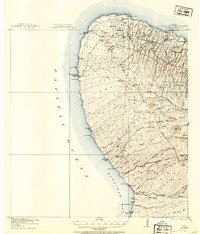 1913 Kohala1954 Print · USGSThe Kohala coast thrived as a hub of sugar production and rail transport during the early territory days. Genealogists and historians can trace the industrial landscape of Union Mill, the Hawaii Railway line, and cultural landmarks like Puukohola Heiau.
 - 1915 Map of Hamakua
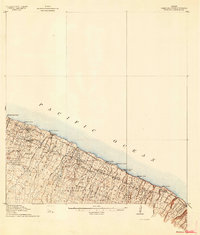 1915 Hamakua1915 Print · USGSCoastal Hawaii at the height of its plantation era shows a landscape of steep gulches and industrial mills along the Hamakua coast. Genealogists and historians can locate specific family plots in the Ahualoa Homesteads or trace the Waimanu Flume and Paauilo Mill.3 unique versions available
 - 1915 Map of Honomu
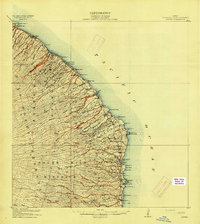 1915 Honomu1915 Print · USGSThe Hamakua and Hilo coastlines appear in incredible detail in this early territorial survey of Hawaii. Genealogists and historians can trace the foundations of plantation life at Honomu and Papaaloa, or locate long-standing landmarks like Akaka Falls and the Pohakupuka School.3 unique versions available
 - 1916 Map of Kohala
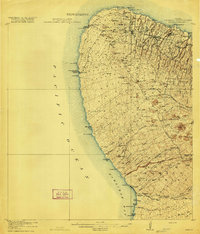 1916 Kohala1916 Print · USGSThe northern tip of Hawaii island comes into focus during the height of the sugar era. Researchers can trace the industrial landscape of the Hawaii Railway connecting Union Mill, Hawi, and Kohala Mill to the coastal landings.2 unique versions available
 - 1916 Map of Waipio
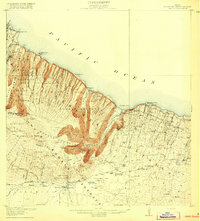 1916 Waipio1916 Print · USGSThe Kohala coast and Hamakua district come alive in this early twentieth-century survey of the Big Island. Genealogists and historians can locate the Pacific Sugar Mill, the Halelua School, and the complex network of the Kohala Ditch.4 unique versions available
 - 1917 Map of Hilo
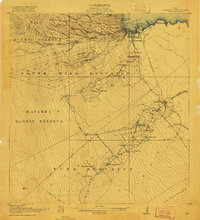 1917 Hilo1917 Print · USGSThe Hilo region during the Great War era shows a landscape shaped by sugar production and volcanic history. Researchers can trace the Hilo R. R. through plantation hubs like Olaa Plantation Mill and early settlements including Mountain View and Elevenmile Homestead.
 - 1921 Map of Kilauea, 1954 Print
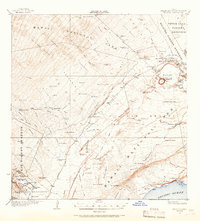 1921 Kilauea1954 Print · USGSThe volcanic heart of the Big Island is captured here in the early twentieth century, showing the intersection of geological wonder and early territorial development. Genealogists and historians can locate early family lands at the Wood Valley Homesteads or trace the routes of the Old Kau-Volcano Trail and the Old Puna-Kau Trail.2 unique versions available
 - 1922 Map of Puna, 1957 Print
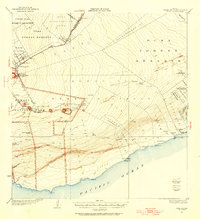 1922 Puna1957 Print · USGSThe Puna district of Hawaii is captured here during the early twentieth century as the national park was taking shape. Researchers can locate ancient coastal sites like Wahaula Heiau and early homesteads at Kilauea Settlement Lots.
 - 1923 Map of Pahala
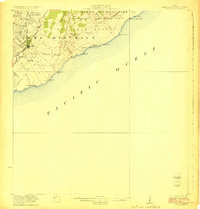 1923 Pahala1923 Print · USGSThe Kau District coast and its labor settlements are captured in the early 1920s during the Territory of Hawaii era. Genealogists and historians can locate specific housing at Paho Camp and Keaiwa Camp or trace the volcanic landscape from the Great Crack to the ancient Kuee Ruins.3 unique versions available
 - 1924 Map of Makuu
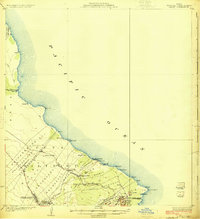 1924 Makuu1924 Print · USGSThe Puna coastline in the early twentieth century was a landscape of rail-linked plantations and volcanic terrain. You can trace the Hawaii Consolidated Railway as it services Honolulu Landing and the Nanawale Homesteads near the Lava Flow of 1840.3 unique versions available
 - 1924 Map of Kalae
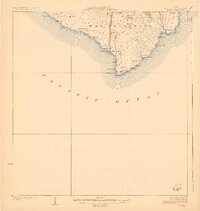 1924 Kalae1924 Print · USGSThe southern tip of the Big Island in the 1920s shows a landscape of recent lava flows and sacred Hawaiian sites. Researchers can trace the Lava Flow of 1887, identify the Kamaoa Homesteads, and locate ancient temples like Ka Heiau o Kalalea.3 unique versions available
 - 1924 Map of Kilauea
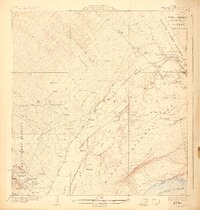 1924 Kilauea1924 Print · USGSThe volcanic highlands of Hawaii Island are captured here during a period of active transformation in the early twenties. Researchers can trace the early hospitality and military sites at Volcano House and Kilauea Military Camp, plus working landscapes like Keauhou Ranch.5 unique versions available
 - 1924 Map of Puna
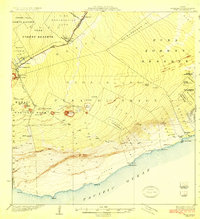 1924 Puna1924 Print · USGSThe Puna coastline and the volcanic highlands of Hawaii are captured here in the early twenties, during the growth of local homesteading and ranching. Genealogists and historians can locate early residents in the Kilauea Settlement Lots or trace the path of the Hawaii Consolidated Ry near Glenwood.2 unique versions available
 - 1924 Map of Kalapana
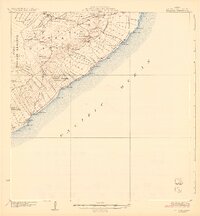 1924 Kalapana1924 Print · USGSThe Puna coastline comes to life in the early twenties, showing a landscape of volcanic craters and early homesteading tracts. Genealogists and historians can locate family lands like the Kaniahiku Homesteads or trace the Consolidated Hawaii Railway to the village of Pahoa.4 unique versions available
 - 1924 Map of Honuapo
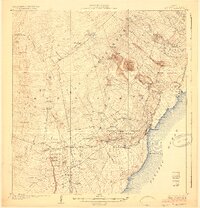 1924 Honuapo1924 Print · USGSThe southern coast of the Big Island during the plantation era is captured here, showing a landscape shaped by recent volcanism. Trace old homesteads and labor quarters like Waiohinu, Naalehu, and the remote Wright Camp alongside the massive Lava Flow of 1916.3 unique versions available
 - 1927 Map of Kaohe, 1954 Print
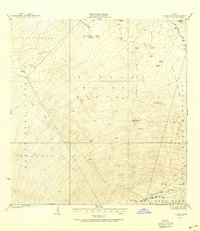 1927 Kaohe1954 Print · USGSThe high volcanic slopes of the Big Island are captured here in the late twenties, detailing massive historical eruptions. Researchers can trace the Mauna Loa Volcano House Trail and the boundaries of the Lava Flow of 1859.
 - 1928 Map of Puako
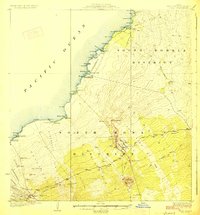 1928 Puako1928 Print · USGSThe West Hawaii coast in the late twenties reveals a landscape shaped by volcanic activity and ranching. Trace the paths of the Lava Flow of 1859 and Lava Flow of 1801 as they reach the sea near Puako and Kiholo.2 unique versions available
 - 1928 Map of Kailua
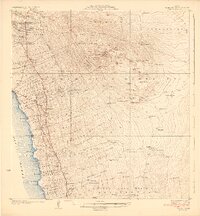 1928 Kailua1928 Print · USGSThe West Hawaii coast and the heights of Puu Hualalei come into focus in the late 1920s. Genealogists and historians can trace family land in the Kealakehe Homesteads or locate cultural landmarks like Ahuena Heiau and the Kona Mill.3 unique versions available
 - 1928 Map of Mauna Loa
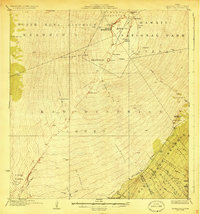 1928 Mauna Loa1928 Print · USGSMauna Loa was a landscape of recent activity in the late twenties, showing fresh paths of destruction and ancient transit routes. Trace the reach of the Lava Flow of 1926 and find high-altitude landmarks like Sleeping Cave and Umi Cavern.4 unique versions available
 - 1928 Map of Hoopuloa, 1933 Print
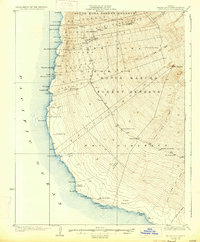 1928 Hoopuloa1933 Print · USGSThe southwest Hawaii coastline in the mid-1920s shows a landscape transformed by volcanic activity and early land settlement. Researchers can trace the paths of recent lava flows and locate specific cultural sites like Milolii, Ohin Mill, and the Alika Homesteads.
 - 1930 Map of Humuula
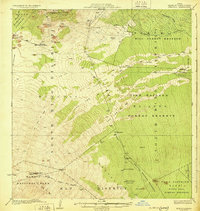 1930 Humuula1930 Print · USGSThe slopes of Mauna Kea and the high saddle lands appear here in the late twenties, dominated by massive historical lava paths. Trace the roots of the island's ranching and conservation history at the Humuula Sheep Station and the Kilauea Forest Reserve.3 unique versions available
 - 1930 Map of Kaohe
 1930 Kaohe1930 Print · USGSThe high volcanic slopes of Hawaii's interior are captured during the territorial era, showcasing the massive Lava Flow of 1859 and Keamuku Lava Flow. Trace the routes of the Mauna Loa Volcano House Trail and find landmarks like Pukauahi.3 unique versions available
 - 1932 Map of Hilo
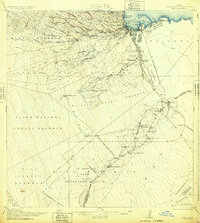 1932 Hilo1932 Print · USGSCoastal Hawaii and the Puna district appear here at the height of the plantation era, before major mid-century modernization. Researchers can trace the layout of sugar camps and early rail lines, locating the Olaa Plantation Mill, the Hilo Air Port, and the track of the Lava Flow of 1881.2 unique versions available
 - 1954 Map of Hawaii South
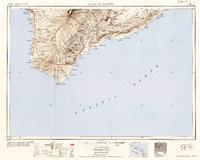 1954 Hawaii South1954 Print · USGSThe southern reaches of the Big Island in the mid-fifties show a landscape of volcanic peaks, coastal villages, and upland timber mills. Researchers can trace the old island infrastructure through sites like Koa Mill, Hoopuloa, and the remote Mountain House.
 - 1954 Map of Hawaii North
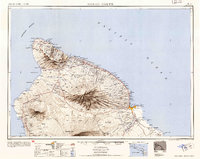 1954 Hawaii North1954 Print · USGSThe Big Island in the mid-fifties shows a landscape of active volcanic history and a peak sugar-mill economy. Trace the route of the Hawaii Consolidated Railway, locate the Olaa Plantation Mill, and see the extent of the Lava flow of 1881 near Hilo.
Showing maps 1-25 of 502
Top cities of Hawaiʻi County
Frequently asked questions
- What are the different types of historical maps available for Hawaiʻi County?
- What is the oldest map of Hawaiʻi County?
- Where can I purchase historical maps of Hawaiʻi County for my home or office?
- Where can I download high-res historical maps of Hawaiʻi County?
- Are there historical topographic maps available for Hawaiʻi County?
- Is there historical aerial imagery available for Hawaiʻi County?
- Where are historical maps of Hawaiʻi County sourced from?