Old Maps of Kauai County, Hawaii for Metal Detecting
Plan your next treasure hunt with 100 historic maps of Kauai County. Find old homesites, ghost towns, trails, and gathering spots that may be lost to time — perfect for identifying promising metal detecting locations.
- Locate forgotten sites: Uncover places like long-lost settlements, abandoned rail lines, or gathering spots.
- Plan better hunts: Use map overlays combined with LiDAR or satellite views to narrow in on historically rich areas.
- Made for detectorists: Thousands of hobbyists use these maps to discover relics, coins, and hidden history.
Use these historic maps to boost your research and find new opportunities beneath the surface of Kauai County.
Kauai County, HI maps
(100)- 1954 Map of Kauai
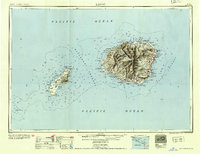 1954 Kauai1954 Print · USGSKauai and Niihau are shown during a period of transition in the early fifties as plantation-era infrastructure began to change. Researchers can trace the Kilauea Sugar Plantation Railroad, the Anahola Settlement, and remote sites on Niihau like Puuwai.
 - 1963 Map of Anahola, 1964 Print
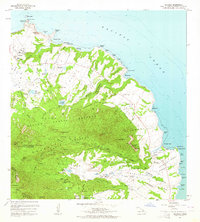 1963 Anahola1964 Print · USGSNortheastern Kauai in the early sixties shows a landscape defined by plantation-era water engineering and traditional settlements. Trace local history through the Hawaiian Homes tracts and Anahola village, or locate the old Kilauea Quarry and Spalding Monument.2 unique versions available
 - 1963 Map of Lihue, 1964 Print
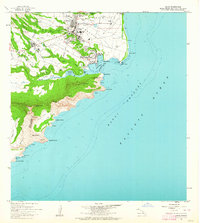 1963 Lihue1964 Print · USGSKauai’s eastern coast and the growing town of Lihue are captured in the early sixties as the island’s modern infrastructure was taking shape. Genealogists and historians can trace local institutions like Wilcox Sch and Lihue High Sch, or find the historic Menehune Fishpond and Nawiliwili Light Station.2 unique versions available
 - 1963 Map of Kekaha, 1965 Print
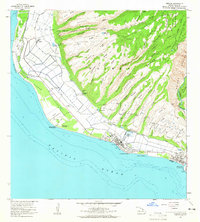 1963 Kekaha1965 Print · USGSThe southwestern Kauai coastline in the early sixties was a unique blend of sugar plantation infrastructure and strategic military outposts. Genealogists and historians can trace local life through Kekaha and Mana, alongside technical landmarks like the Kekaha Ditch and Kaunalewa Shaft.2 unique versions available
 - 1963 Map of Hanapepe, 1965 Print
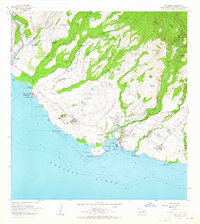 1963 Hanapepe1965 Print · USGSThe south shore of Kauai flourished in the 1960s as a hub of sugar production and maritime activity. Researchers can trace plantation camps like Camp No 3, the industrial Sugar Mill, and coastal landmarks like Salt Pond Park.2 unique versions available
 - 1963 Map of Kapaa, 1965 Print
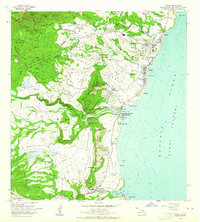 1963 Kapaa1965 Print · USGSThe eastern shore of Kauai shows a unique blend of ancient heiau and mid-century expansion during the early 1960s. Genealogists and historians can locate family lands in the Kapaa Homesteads or trace sacred sites like Malae Heiau and Hauola.2 unique versions available
 - 1963 Map of Koloa, 1965 Print
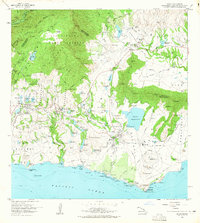 1963 Koloa1965 Print · USGSSouthern Kauai in the early sixties reveals a landscape shaped by sugar and sea, from the plantation heritage of Koloa to the developing shores of Poipu. Researchers can trace old irrigation systems, the Koloa Mill, and historical sites like Nomilo Fishpond.2 unique versions available
 - 1963 Map of Hanalei, 1966 Print
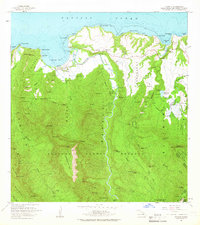 1963 Hanalei1966 Print · USGSThe northern coast of Kauai is captured here in the early sixties, showing a balance of coastal settlement and deep forest reserves. Genealogists and historians can trace the Hanalei Homesteads, the operations of Princeville Ranch, and landmarks like the Fish Pond.2 unique versions available
 - 1965 Map of Waimea Canyon, 1967 Print
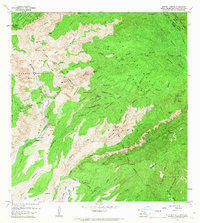 1965 Waimea Canyon1967 Print · USGSThe interior of Kauai during the mid-1960s reveals a landscape of deep canyons and intricate water systems before major modern changes. Trace the path of remote trails to Waialae Cabin, or locate historic landmarks like Puu Ka Pele and the Mauka Powerhouse.2 unique versions available
 - 1965 Map of Haena, 1967 Print
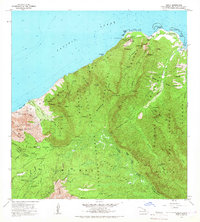 1965 Haena1967 Print · USGSKauai's northern coast and deep interior forests are captured here in the mid-sixties, from the Kalalau Trail to the high Kokee State Park. Trace cultural landmarks like Ka Ulu a Paoa Heiau and the hidden Waikapalae Wet Cave.2 unique versions available
 - 1965 Map of Makaha Point, 1967 Print
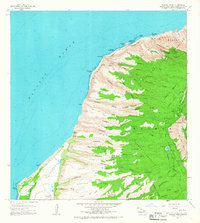 1965 Makaha Point1967 Print · USGSThe western coast of Kauai and its dramatic ridges are captured in the mid-1960s before modern development. Researchers can trace ancient cultural sites like Polihale Heiau, find family-named locations such as Lola No 2, and locate the Auxiliary Landing Field Bonham.2 unique versions available
 - 1965 Map of Waialeale, 1967 Print
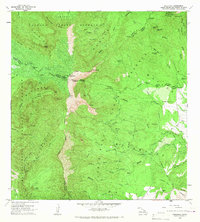 1965 Waialeale1967 Print · USGSKauai’s central highlands are documented here during the mid-sixties, showing the intricate water systems and sacred geography of the interior. Trace the ditch and flume networks near the Upper Powerhouse, or locate the ancient Heiau near the summit of Waialeale.2 unique versions available
 - 1967 Map of Kauai
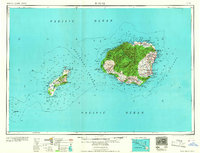 1967 Kauai1967 Print · USGSThe Garden Isle and Niihau are shown here in the mid-sixties, capturing the island's transition from plantation roots to a more modern infrastructure. Genealogists can trace family connections in Moloaa Settlement or find coastal landmarks like Nonopapa and Kilauea Point Light.
 - 1970 Map of Kauai, 1974 Print
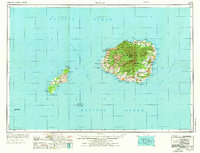 1970 Kauai1974 Print · USGSThe islands of Kauai and Niihau are shown during the early 1970s, capturing the balance between military expansion and preserved wilderness. Researchers can trace the layout of Niihau's elusive villages like Puwai or explore Kauai's industrial landscape at Koloa Mill and Port Allen.2 unique versions available
 - 1977 Map of Hanapepe, 1981 Print
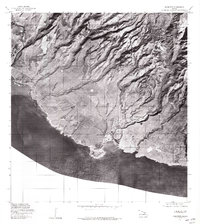 1977 Hanapepe1981 Print · USGSSouthern Kauai is captured in the late seventies, showing the agricultural landscape and coastal orientation of the island. Genealogists and researchers can trace the developed areas of Hanapepe and the courses of the Waimea River and Makavelli River.
 - 1978 Map of Kapaa, 1981 Print
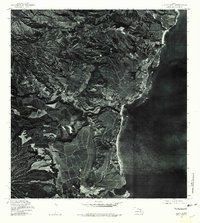 1978 Kapaa1981 Print · USGSThe eastern coast of Kauai comes into focus in the late seventies through this detailed aerial orthophotoquad. Researchers can trace the development of Kapaa and Hanamaulu or study the agricultural landscape surrounding the Wailua River.
 - 1978 Map of Lihue, 1981 Print
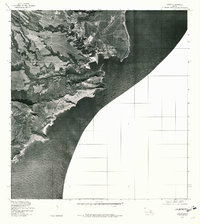 1978 Lihue1981 Print · USGSCoastal Kauai comes into sharp focus in the late 1970s, showcasing the development and geography of the island's southeast shore. Researchers can trace the layout of Lihue and the path of Huleia Stream as they appeared just before the turn of the decade.
 - 1978 Map of Koloa, 1981 Print
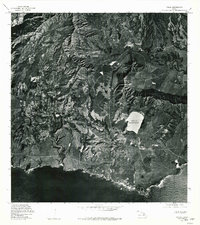 1978 Koloa1981 Print · USGSThe southern coast of Kauai comes into focus in the late seventies as local agriculture and residential growth meet the sea. Researchers can trace the layout of Koloa and Kalaheo while surveying landmarks like Waita Reservoir and Alexander Reservation.
 - 1983 Map of Hanalei
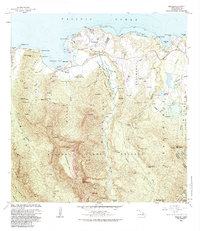 1983 Hanalei1983 Print · USGSKauai's North Shore is captured here in the early eighties, showing the development of Princeville alongside traditional agricultural areas. Researchers can trace the water networks and legacy land divisions of Hanalei Homesteads and the National Wildlife Refuge.
 - 1983 Map of Haena
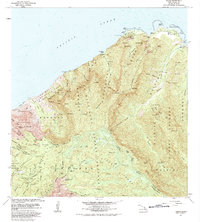 1983 Haena1983 Print · USGSThe North Shore of Kauai is captured here in the early eighties, from the coastal caves of Haena to the high ALAKAI SWAMP. Trace cultural landmarks like the Ka Ulu a Paoa Heiau and the remote Kokee Air Force Station.
 - 1983 Map of Waialeale, 1984 Print
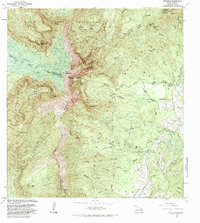 1983 Waialeale1984 Print · USGSThe high interior of Kauai is captured here in the early eighties, showing the critical watershed surrounding the peaks of Waialeale and Kawaikini. Researchers can trace the development of island water infrastructure through labels for the Upper Powerhouse, the Stable Ditch Trail, and the Kilohana Crater.2 unique versions available
 - 1983 Map of Anahola, 1984 Print
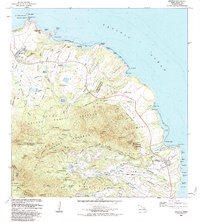 1983 Anahola1984 Print · USGSKauai's northeast coast in the early eighties shows a landscape of vital water infrastructure and agricultural heritage. Researchers can trace the Koolau Ditch system, locate the Kapinao Heiau, and explore the settled Hawaiian Homes tracts near Anahola.
 - 1983 Map of Koloa, 1984 Print
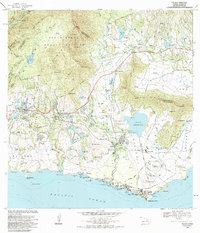 1983 Koloa1984 Print · USGSThe southern coast of Kauai comes alive in the early eighties, showing the agricultural and coastal development of the islands. Researchers can trace the Old Railroad Grade and locate historic sites like Koloa Mill, Hoai Heiau, and Koloa Cemetery.2 unique versions available
 - 1983 Map of Lihue, 1984 Print
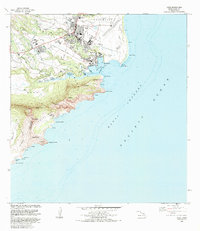 1983 Lihue1984 Print · USGSKauai’s primary commercial and transit hub comes into focus in the early eighties as the island’s infrastructure expanded around the bay. Genealogists and researchers can trace local institutions like Immaculate Conception Sch or find coastal landmarks from Nawiliwili to the ancient Menehune Fishpond.
 - 1983 Map of Hanapepe, 1984 Print
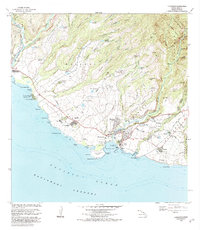 1983 Hanapepe1984 Print · USGSSouthwestern Kauai is shown here in the early eighties as a landscape of historic forts, plantation villages, and coastal commerce. Researchers can trace the layout of Russian Fort Elizabeth State Hist Park, the Sugar Mill at Numila, and Pakala Village.2 unique versions available
Showing maps 1-25 of 100
Top cities of Kauai County
Frequently asked questions
- What are the different types of historical maps available for Kauai County?
- What is the oldest map of Kauai County?
- Where can I purchase historical maps of Kauai County for my home or office?
- Where can I download high-res historical maps of Kauai County?
- Are there historical topographic maps available for Kauai County?
- Is there historical aerial imagery available for Kauai County?
- Where are historical maps of Kauai County sourced from?