Old Maps of Loop, Chicago for Hiking & Exploration
Hike through history with 42 historic maps of Loop. Explore old trails, ghost towns, and forgotten backroads — perfect for outdoor adventurers and local explorers.
- Rediscover forgotten places: Map out old mining camps, roads, and footpaths that no longer exist on modern maps.
- Layer with modern tools: Combine with LiDAR or satellite views to plan hikes through historical terrain.
- Made for exploration: Popular among hikers, overlanders, and local history lovers.
Use these maps to find adventure and explore the hidden past of Loop.
Loop, Chicago maps
(42)- 1889 Map of Chicago
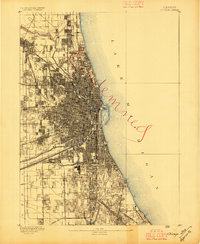 1889 Chicago1889 Print · USGSChicago in the late Victorian era was a sprawling rail and maritime titan on the shores of Lake Michigan. Genealogists and historians can trace the early urban grid and massive rail yards of the Belt Railroad and Chicago and Northwestern R.R.
 - 1891 Map of Chicago
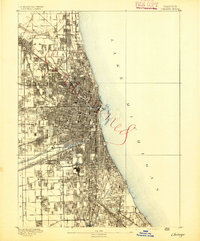 1891 Chicago1891 Print · USGSChicago was a booming rail and water hub in the late nineteenth century, just before the turn of the century. Trace the intricate network of the Illinois and Michigan Canal and major lines like the Wisconsin Central R.R. and Belt Railroad.
 - 1900 Map of Chicago
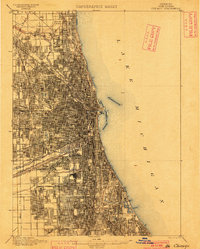 1900 Chicago1900 Print · USGSChicago at the turn of the century shows a city of massive infrastructure, from its emerging park system to its complex rail hubs. Researchers can trace the development of early neighborhoods like Mayfair and South Lynn or locate grounds like Rose Hill Cemetery and the historic Illinois and Michigan Canal.
 - 1901 Map of Chicago
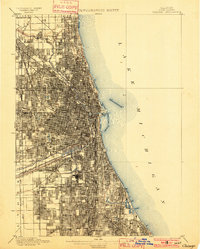 1901 Chicago1901 Print · USGSChicago was a booming industrial and rail hub in the late nineteenth century, defined by its lakefront and canal systems. Genealogists and urban historians can trace early neighborhood boundaries and rail corridors through Elsdon, Chicago Lawn, and Rose Hill Cemetery.5 unique versions available
 - 1929 Map of Jackson Park
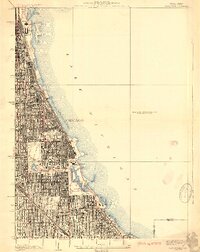 1929 Jackson Park1929 Print · USGSThe South Side of Chicago during the late 1920s reveals a sophisticated network of grand parks and lakefront landmarks. Genealogists and urban historians can trace the grid from Oakwoods Cemetery to iconic sites like Soldiers Field and the Field Museum.3 unique versions available
 - 1929 Map of Englewood
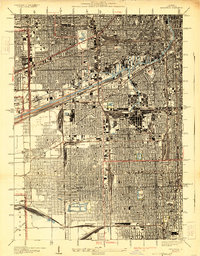 1929 Englewood1929 Print · USGSThe South Side of Chicago in the mid-twenties shows a landscape transformed by heavy industry and rail transport. Genealogy and local history researchers can trace the dense grid around the Union Stock Yards, Englewood, and the sprawling Corwith Yards.3 unique versions available
 - 1929 Map of Chicago Loop, 1939 Print
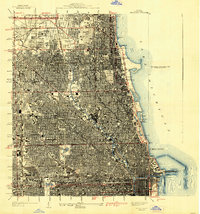 1929 Chicago Loop1939 Print · USGSChicago and its lakefront are captured here between the world wars, showing a city defined by its rigid grid and grand public parks. Genealogists and historians can trace old neighborhoods near Rose Hill Cemetery, the grounds of Loyola University, or the original layout of the Municipal Pier.2 unique versions available
 - 1953 Map of Chicago Loop, 1956 Print
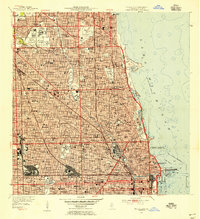 1953 Chicago Loop1956 Print · USGSMid-century Chicago is captured here at a moment of significant infrastructure expansion and urban density. Genealogists and historians can trace neighborhood parish schools like St Michael High Sch, local cemeteries such as Rosehill Cemetery, and the rise of the Congress Street Expressway.
 - 1953 Map of Jackson Park, 1956 Print
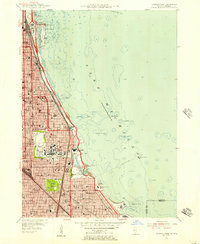 1953 Jackson Park1956 Print · USGSThe South Side of Chicago and its lakefront are captured here in the early 1950s, showing a period of significant urban growth and shoreline development. Genealogists and historians can trace neighborhood landmarks from Oakwoods Cemetery to the University of Chicago and the aviation grounds of Meigs Field.
 - 1953 Map of Englewood, 1956 Print
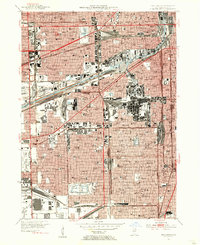 1953 Englewood1956 Print · USGSMid-century Southwest Chicago reveals a landscape defined by heavy industry and deep-rooted neighborhoods during the post-war era. Researchers can trace the massive rail infrastructure of the Indiana Harbor Belt and find local landmarks like Marquette Park and the US Quartermaster Depot.
 - 1953 Map of Chicago, 1964 Print
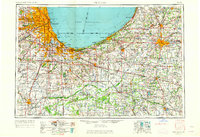 1953 Chicago1964 Print · USGSThe southern Lake Michigan shoreline was rapidly modernizing in the mid-fifties, balancing heavy industry with its famous academic centers. Researchers can trace the footprints of Notre Dame University or locate vanished sites like the Kingsbury Ordnance Plant and Meigs Field.5 unique versions available
 - 1957 Map of Chicago
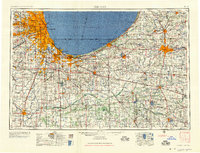 1957 Chicago1957 Print · USGSThe industrial heartland and southern Great Lakes shoreline are captured here during the peak of mid-century growth. Researchers can trace the massive Gary Steel Works, the grounds of the University of Notre Dame, and the early paths of the Tri-State Tollway.
 - 1963 Map of Jackson Park, 1964 Print
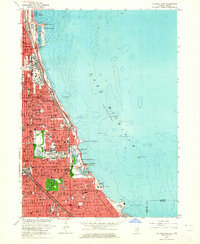 1963 Jackson Park1964 Print · USGSThe Chicago lakefront in the early sixties showcases a dense urban landscape defined by major cultural landmarks and rail corridors. Researchers can trace the mid-century South Side grid near the University of Chicago, Oak Woods Cemetery, and the historic Meigs Field.3 unique versions available
 - 1963 Map of Chicago Loop, 1964 Print
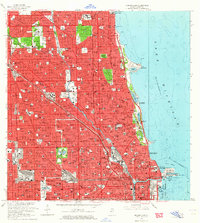 1963 Chicago Loop1964 Print · USGSChicago's north side neighborhoods and the Loop are captured in the early sixties as the modern expressway system reshaped the urban grid. Researchers can trace historic parish boundaries through sites like St Hyacinth Sch or locate long-standing landmarks like Riverview Park and Rosehill Cemetery.3 unique versions available
 - 1963 Map of Englewood, 1965 Print
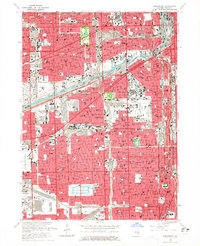 1963 Englewood1965 Print · USGSThe South Side of Chicago and Cicero are seen here in the mid-sixties, a period defined by the rise of the great expressways and dense rail corridors. Genealogists and local historians can trace parish life and neighborhoods through sites like St Rita High Sch, Elsdon, and the International Amphitheatre.4 unique versions available
 - 1980 Map of Chicago
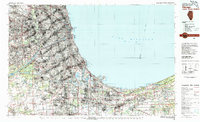 1980 Chicago1980 Print · USGSThe Chicago metropolitan area and the industrial shores of Northwest Indiana are captured here at the start of the 1980s. Genealogists and local historians can trace the vast urban landscape through landmarks like Loyola University, St Casimir Cemetery, and the busy docks of Calumet Harbor.
 - 1993 Map of Englewood
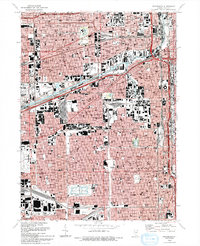 1993 Englewood1993 Print · USGSChicago's southwestern neighborhoods are captured here in the early nineties, showing a landscape defined by heavy rail and industrial canals. Researchers can trace local history through the many neighborhood institutions like the International Amphitheatre, Maria High Sch, and the rail hub at Elsdon.2 unique versions available
 - 1993 Map of Jackson Park
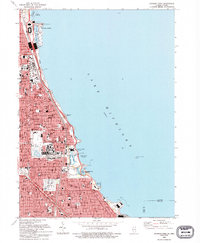 1993 Jackson Park1993 Print · USGSThe South Side of Chicago and its iconic lakefront are captured here in the early nineties, showcasing a high-density urban grid of schools, hospitals, and parks. Researchers can trace the layout of the University of Chicago campus or locate family plots in the expansive Oakwoods Cemetery.
 - 1993 Map of Chicago Loop
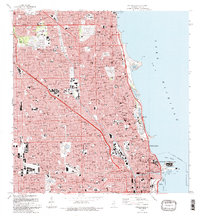 1993 Chicago Loop1993 Print · USGSChicago in the early nineties displays a massive urban landscape anchored by its iconic shoreline and central business district. Genealogists and historians can trace family plots in Rosehill Cemetery or locate historic landmarks like the Sears Tower and the Merchandise Mart.2 unique versions available
 - 1997 Map of Englewood, 1999 Print
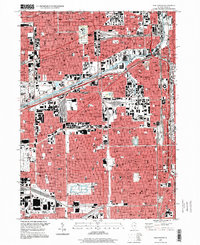 1997 Englewood1999 Print · USGSChicago during the late 1990s reveals a complex network of industrial canals and historic neighborhood centers. Genealogists and urban historians can trace community roots through numerous parish schools like St Gall Sch and landmarks such as the Cook County Dept of Corrections.
 - 1997 Map of Chicago Loop, 1999 Print
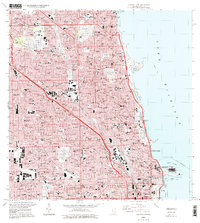 1997 Chicago Loop1999 Print · USGSChicago at the end of the twentieth century remains a city of grand parks and intricate waterways. Genealogists and urban historians can trace the vast grounds of Rosehill Cemetery or locate neighborhood landmarks like St Mary of the Angels Ch and Navy Pier.
 - 1998 Map of Jackson Park, 1999 Print
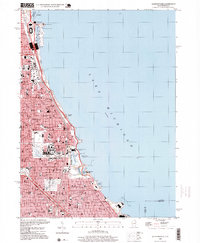 1998 Jackson Park1999 Print · USGSThe Chicago lakefront at the close of the twentieth century reveals a dense network of South Side neighborhoods and iconic public spaces. Genealogists and historians can locate dozens of institutions, from Oakwoods Cemetery to the campus of Meigs Field and Soldier Field.
 - 2012 Map of Chicago Loop OE E, 2012 Print
 2012 Chicago Loop OE E2012 Print · USGSChicago’s prestigious lakefront and the Streeterville neighborhood are documented here in the early twenty-first century. Researchers can trace the footprint of institutional landmarks like Navy Pier, the Chicago Water Tower, and Pioneer Court.
 - 2012 Map of Englewood, 2012 Print
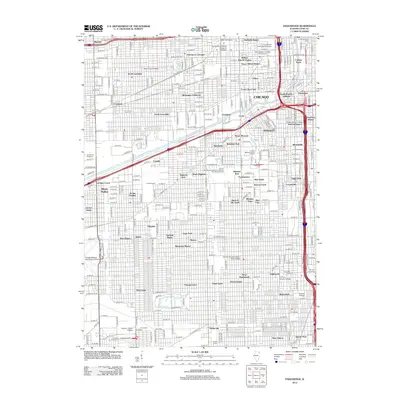 2012 Englewood2012 Print · USGSChicago's South Side and West Side neighborhoods are captured in detail during the early twenty-first century, showing a landscape defined by heavy rail and deep-rooted community names. Genealogists and urban historians can locate long-standing enclaves like Bohemian California, Bronzeville, and Conleys Patch.
 - 2012 Map of Chicago Loop, 2012 Print
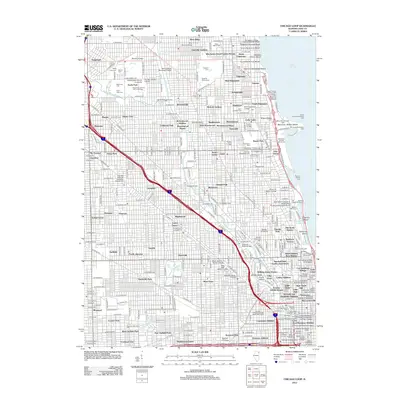 2012 Chicago Loop2012 Print · USGSChicago's North Side and downtown core are captured in detail during the early 21st century, showing the intersection of lakefront beauty and dense urban commerce. Researchers can trace historic neighborhoods like Uptown or locate significant landmarks such as Wrigley Field and the Merchandise Mart.
Showing maps 1-25 of 42
Frequently asked questions
- What are the different types of historical maps available for Loop?
- What is the oldest map of Loop?
- Where can I purchase historical maps of Loop for my home or office?
- Where can I download high-res historical maps of Loop?
- Are there historical topographic maps available for Loop?
- Is there historical aerial imagery available for Loop?
- Where are historical maps of Loop sourced from?