Old Maps of Coal City, Illinois for Academic Research
Study the evolution of Coal City with 33 high-resolution historic maps. Whether you're teaching, researching, or modeling changes in land use, these maps provide essential visual documentation of urban, environmental, and geographic change.
- Analyze long-term change: Track patterns in development, transportation, and natural features.
- Ideal for environmental or urban studies: Support academic projects with primary historical map data.
- Use in the classroom or lab: Educators and researchers rely on these maps to bring historical context to life.
These maps are a powerful tool for teaching, research, and visualizing how Coal City has changed over the decades.
Coal City, IL maps
(33)- 1892 Map of Morris
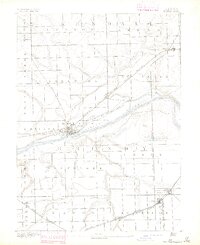 1892 Morris1892 Print · USGSGrundy County thrives as a transportation nexus in the 1890s, where the legendary canal system meets a growing web of iron rails. Trace early industrial footprints in Coal City or follow the path of the Illinois and Michigan Canal through Morris.3 unique versions available
 - 1892 Map of Wilmington
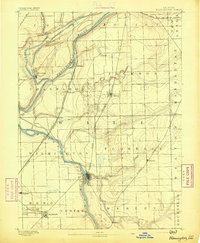 1892 Wilmington1892 Print · USGSWill County at the end of the nineteenth century is defined by its strategic river confluences and a rapidly expanding rail network. Genealogists and local historians can trace the early footprints of Wilmington and Braidwood, or find vanished rail stops like Blodget and Drummond.3 unique versions available
 - 1918 Map of Wilmington
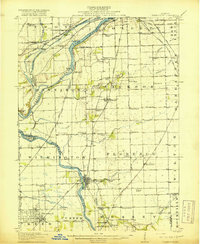 1918 Wilmington1918 Print · USGSWill County in the late teens is a landscape shaped by the convergence of major rivers and several historic rail lines. Genealogists and historians can trace numerous rural schoolhouses like Red Brick School and Schweizer School alongside river towns such as Wilmington and Channahon.5 unique versions available
 - 1918 Map of Morris
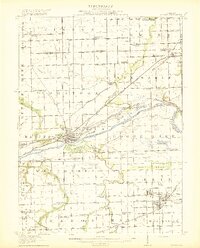 1918 Morris1918 Print · USGSGrundy County at the end of the Great War is a landscape defined by the Illinois River and a bustling coal industry. Researchers can trace historic school districts like Jugtown School, the path of the Michigan and Illinois Canal, and early mining settlements such as Carbon Hill and Eileen.3 unique versions available
 - 1948 Map of Dwight, 1965 Print
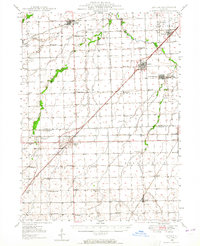 1948 Dwight1965 Print · USGSLivingston and Grundy counties appear here just after the war, showing a region of dense rural settlements and early coal mining activity. Genealogists can locate family names via numerous country schools like Goodfarm Sch and landmarks such as the State Reformatory for Women.
 - 1950 Map of Dwight
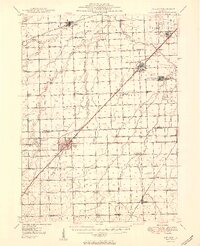 1950 Dwight1950 Print · USGSNortheastern Illinois at mid-century shows a landscape shaped by coal mining and a dense network of rural school districts. Genealogists can trace family footprints through dozens of local landmarks like Round Grove Cemetery, Goodfarm School, and the State Reformatory for Women.2 unique versions available
 - 1953 Map of Coal City, 1955 Print
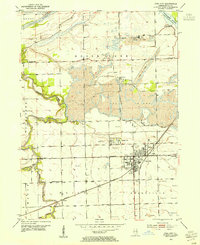 1953 Coal City1955 Print · USGSGrundy County mining operations and rail hubs are caught in detail during the early fifties. Researchers can trace the industrial landscape through strip mines and mine dumps near settlements like Carbon Hill, Coal City, and Eileen.5 unique versions available
 - 1954 Map of Wilmington, 1955 Print
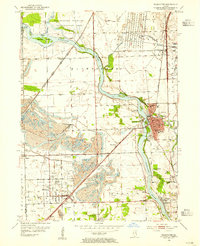 1954 Wilmington1955 Print · USGSWill County’s river-driven industry and coal mining heritage are captured here in the mid-fifties as the landscape transitioned between wilderness and extraction. Genealogists can locate family names at Mt Olive Cem or trace the early community footprints of Wilmington, Braidwood, and Lorenzo.4 unique versions available
 - 1954 Map of Morris, 1960 Print
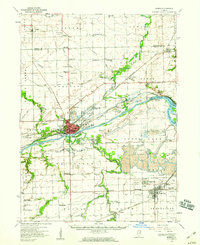 1954 Morris1960 Print · USGSGrundy County in the mid-fifties is a landscape of industrial transition, where coal mining and river navigation drive local growth. Researchers can trace the extensive Strip Mine works around Coal City or locate family roots at Evergreen Cem and Sulphur Springs Sch.2 unique versions available
 - 1954 Map of Wilmington, 1960 Print
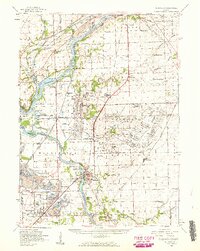 1954 Wilmington1960 Print · USGSWill and Grundy counties in the mid-fifties show a landscape of industrial convergence where major railroads meet the state's storied canal systems. Researchers can trace the Old Indian Boundary or locate family sites like the Soldiers Widows Home and Willard Grove Cem.3 unique versions available
 - 1958 Map of Aurora, 1969 Print
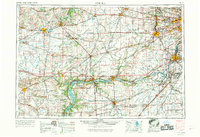 1958 Aurora1969 Print · USGSNorthern Illinois in the late fifties shows a landscape of powerful river industry and expanding transport corridors. Genealogists and historians can trace the development of Aurora and Joliet or locate sites like the Elwood Ordnance Plant and Starved Rock.3 unique versions available
 - 1961 Map of Aurora
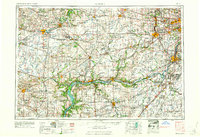 1961 Aurora1961 Print · USGSNorthern Illinois at the height of the post-war era reveals a landscape of massive industrial works and thriving river towns. Genealogists and historians can trace the paths of the Lincoln Highway or locate long-standing landmarks like the Green River Ordnance Plant and Starved Rock State Park.
 - 1983 Map of Gardner
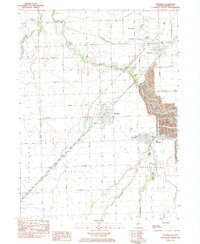 1983 Gardner1983 Print · USGSThe Illinois coal fields of Grundy County are seen here in the early eighties, where industrial mining and prairie farming meet. Researchers can trace the sprawling Mine Dumps near South Wilmington or find family landmarks like Cotton Cem.
 - 1985 Map of Ottawa
 1985 Ottawa1985 Print · USGSThe Illinois River valley in the mid-1980s shows a landscape balancing river commerce with sprawling energy and mining operations. Researchers can trace the layout of mining towns like Coal City or find family landmarks such as Oakwood Memorial Cem and Smiths Mound.
 - 1991 Map of Ottawa
 1991 Ottawa1991 Print · USGSNorth-central Illinois in the early nineties remains a vital corridor of river commerce and heavy rail. Genealogists and historians can trace the legacy of industrial mining near Morris or explore the river-bluff geography of Starved Rock State Park and Buffalo Rock.
 - 1993 Map of Coal City, 1994 Print
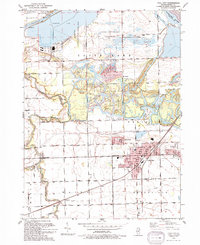 1993 Coal City1994 Print · USGSGrundy County settlement and conservation collide in the 1990s as industrial roots meet the preservation of the tallgrass prairie. Genealogists and historians can trace family-named sites like Holderman Cem alongside the growing communities of Coal City and Carbon Hill.
 - 1993 Map of Wilmington, 1994 Print
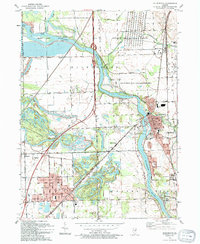 1993 Wilmington1994 Print · USGSThe Kankakee River valley in the early nineties shows a landscape defined by industrial legacy and conservation efforts. Researchers can locate family landmarks like Mt Olive Cem and trace the rail sidings at Hitts Siding and Webster Siding.
 - 1999 Map of Wilmington, 2002 Print
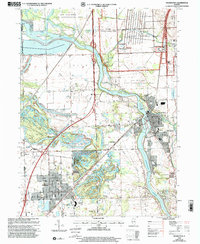 1999 Wilmington2002 Print · USGSWill County's river valleys and prairie lands are captured here just before the new millennium, showing the transition from industrial and military use to public conservation. Trace local genealogy and infrastructure at Braidwood, Lakewood Shores, and the Mt Olive Cem.
 - 2012 Map of Gardner, 2012 Print
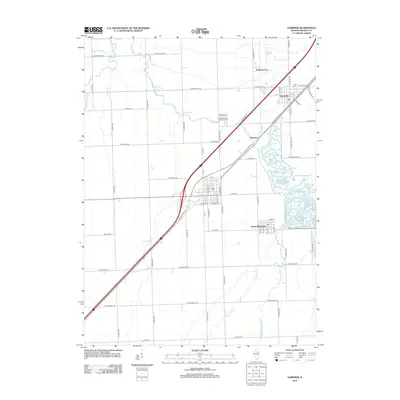 2012 Gardner2012 Print · USGSGrundy County prairie and the Mazon River watershed are documented here during the early twenty-first century. Researchers can trace local lineage at Cotton Cem and explore the historic layout of Braceville, South Wilmington, and Mazonia.
 - 2012 Map of Coal City, 2012 Print
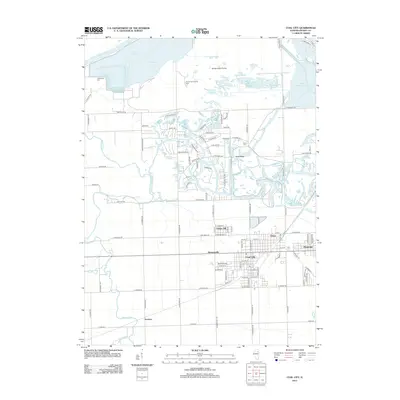 2012 Coal City2012 Print · USGSGrundy County in the early twenty-first century reveals a landscape where industrial cooling lakes and conservation areas surround established mining towns. Trace local lineages and property through Coal City, Carbon Hill, and the historic Holderman Cem.
 - 2012 Map of Wilmington, 2012 Print
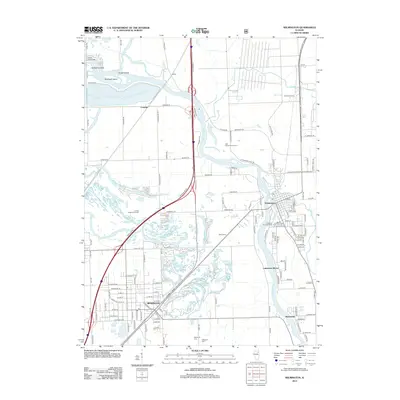 2012 Wilmington2012 Print · USGSIn the early twenty-first century, the river towns of Wilmington and Braidwood show a landscape shaped by coal mining and military history. Researchers can trace family sites at Bohemian Cem and explore industrial heritage along the river and Joliet Arsenal.
 - 2015 Map of Coal City, 2015 Print
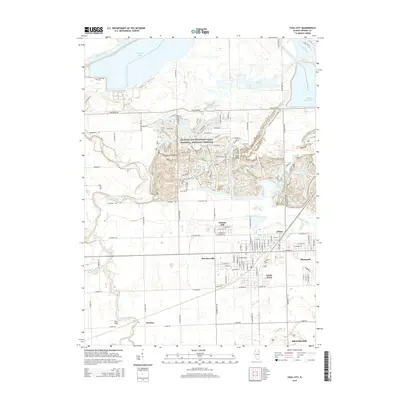 2015 Coal City2015 Print · USGSThe Grundy County coal fields and canal corridors are shown here as they appeared in the early twenty-first century. Researchers can trace historic cemeteries such as Holderman Cem and industrial landmarks like the Dresden Cooling Lake and Sand Ridge.
 - 2015 Map of Wilmington, 2015 Print
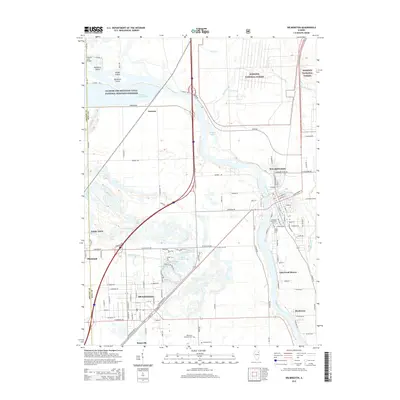 2015 Wilmington2015 Print · USGSBraidwood and Wilmington are shown here in the mid-2010s, nestled between the Kankakee River and the expansive Midewin National Forest. Researchers can trace old family roots at Bohemian National Cem or explore the reclaimed landscape of Tully Lake and the Illinois and Michigan Canal.
 - 2015 Map of Gardner, 2015 Print
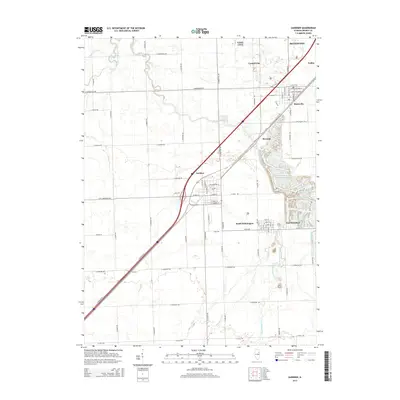 2015 Gardner2015 Print · USGSGrundy County settlements and prairie waterways are documented here during the mid-2010s. Researchers can trace local lineages near Cotton Cem or follow the paths of the Mazon River and Granary Creek through Gardner and Braceville.
 - 2018 Map of Coal City, 2018 Print
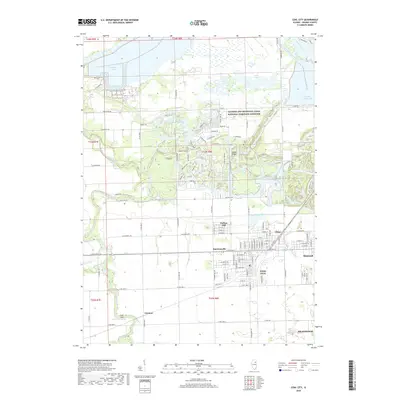 2018 Coal City2018 Print · USGSGrundy County in the late 2010s reveals a landscape defined by its industrial waterways and coal mining heritage. Researchers can trace the layout of historic settlements like Coal City and Carbon Hill alongside the Illinois and Michigan Canal.
Showing maps 1-25 of 33
Top cities near Coal City
- Joliet historical maps
- Channahon historical maps
- Shorewood historical maps
- Morris historical maps
- Minooka historical maps
- Aux Sable historical maps
See more
Top neighborhoods of Coal City
Frequently asked questions
- What are the different types of historical maps available for Coal City?
- What is the oldest map of Coal City?
- Where can I purchase historical maps of Coal City for my home or office?
- Where can I download high-res historical maps of Coal City?
- Are there historical topographic maps available for Coal City?
- Is there historical aerial imagery available for Coal City?
- Where are historical maps of Coal City sourced from?