Old Maps of Dubois County, Indiana for Academic Research
Study the evolution of Dubois County with 126 high-resolution historic maps. Whether you're teaching, researching, or modeling changes in land use, these maps provide essential visual documentation of urban, environmental, and geographic change.
- Analyze long-term change: Track patterns in development, transportation, and natural features.
- Ideal for environmental or urban studies: Support academic projects with primary historical map data.
- Use in the classroom or lab: Educators and researchers rely on these maps to bring historical context to life.
These maps are a powerful tool for teaching, research, and visualizing how Dubois County has changed over the decades.
Dubois County, IN maps
(126)- 1900 Map of St Meinrad, 1961 Print
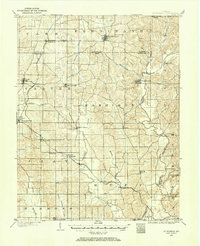 1900 St Meinrad1961 Print · USGSSouthern Indiana at the turn of the century shows a landscape of growing rail towns and river crossings. Genealogists can trace family roots through early settlements like Santa Claus, St. Meinrad, and Mariah Hill, or locate landmarks such as Old Mill Fd.
 - 1900 Map of De Gonia Springs, 1963 Print
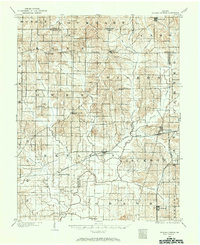 1900 De Gonia Springs1963 Print · USGSSouthern Indiana at the turn of the century shows a landscape of rail-dependent towns and mineral spring resorts across Warrick and Spencer counties. Genealogists and historians can trace the early layouts of De Gonia Springs, Folsomville, and Tennyson along the SOUTHERN railroad lines.
 - 1902 Map of Ditney
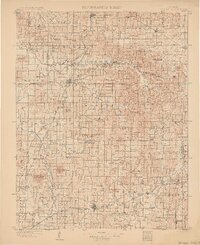 1902 Ditney1902 Print · USGSSouthern Indiana at the start of the century was a landscape of expanding railroads and rural hamlets. Family historians can trace ancestral roots through dozens of small settlements like Coats Springs, Dongola, and Boonville along the Southern RR.3 unique versions available
 - 1902 Map of Degonia Springs
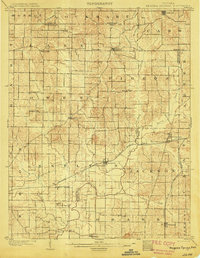 1902 Degonia Springs1902 Print · USGSSouthwestern Indiana is captured here at the turn of the century as the rail network linked the region's mineral springs and rural townships. Genealogists can trace the early layout of Degonia Springs, Folsomville, and Gentryville along the SOUTHERN railroad lines.2 unique versions available
 - 1903 Map of St. Meinrad
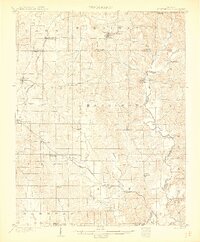 1903 St. Meinrad1903 Print · USGSSouthern Indiana at the start of the twentieth century shows a landscape of rail-connected villages and the winding Anderson River. Trace the early routes of the Southern railway through Lincoln City or locate the original sites of Santa Claus and St.Meinrad.2 unique versions available
 - 1903 Map of Velpen
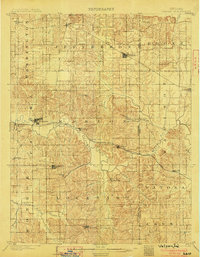 1903 Velpen1903 Print · USGSSouthern Indiana at the start of the century was a landscape of river-bottom farms and emerging rail towns along the Patoka River. Genealogists and researchers can trace early township boundaries and find long-established communities like Winslow, Otwell, and the mineral waters of White Sulphur Springs.2 unique versions available
 - 1944 Map of Glendale
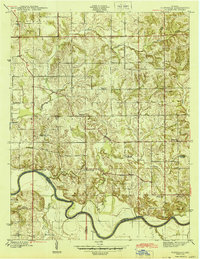 1944 Glendale1944 Print · USGSDaviess County during the mid-1940s is defined by the winding East Fork White River and the rural crossroads of the Indiana countryside. Researchers can trace ancestral roots through local landmarks like Glencoe Cem, Pennyville, and a Coal Mine near High Rock.2 unique versions available
 - 1946 Map of Jasper
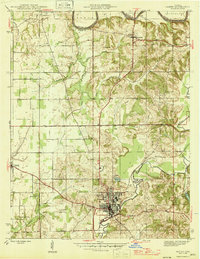 1946 Jasper1946 Print · USGSMid-century Dubois County comes alive in this survey of the Jasper area during the years following the war. Genealogists can locate family landmarks like Sherritt Cem, old rural schoolhouses such as Hope Sch, and the rail-side industry of the Southern line.2 unique versions available
 - 1951 Map of Hillham
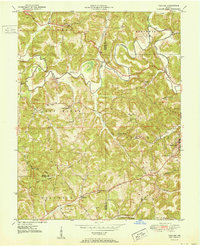 1951 Hillham1951 Print · USGSSouthern Indiana hills and the winding course of the Lost River define this rural landscape during the early fifties. Genealogists and local historians can locate remote family plots like Wininger Cem and Hawkins Cem alongside the tracks of the Southern railroad.
 - 1954 Map of Dubois, 1955 Print
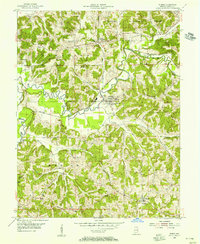 1954 Dubois1955 Print · USGSIn the mid-1950s, the Patoka River valley was defined by the Southern Railway Line and scattered farm towns. Genealogists can trace family names at Harbison Cem and locate rural landmarks like St Raphaels Ch and Kellerville.
 - 1954 Map of Huntingburg, 1956 Print
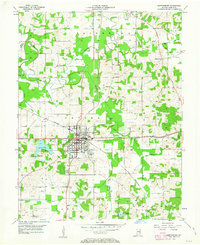 1954 Huntingburg1956 Print · USGSMid-century Dubois County comes to life as Huntingburg expands around its rail crossing and oil fields in the early 1950s. Genealogists can locate family landmarks like Fairmount Cem, Hagen Cem, and the vanished settlement at Rose Bank.2 unique versions available
 - 1955 Map of Saint Anthony, 1956 Print
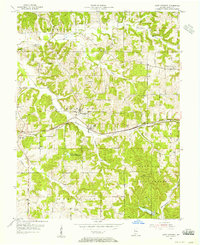 1955 Saint Anthony1956 Print · USGSDubois County is captured in the mid-1950s as a landscape of small railroad hamlets and state timberlands. Genealogists and local historians can trace the Southern rail line between Bretzville and Kyana or locate family plots at Schnellville Cem and Dugan Cem.2 unique versions available
 - 1956 Map of Alfordsville, 1957 Print
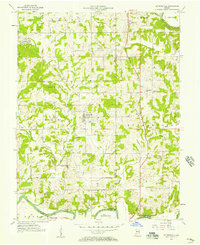 1956 Alfordsville1957 Print · USGSDaviess and Dubois counties come alive in the mid-1950s as a landscape of surface mines and river-bottom settlements. Genealogists and historians can trace family locations near Alfordsville, Truelove Ch, and the old river crossing at Portersville.2 unique versions available
 - 1956 Map of Rusk, 1958 Print
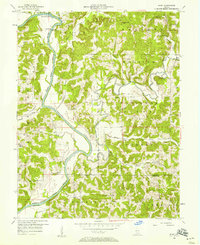 1956 Rusk1958 Print · USGSSouthern Indiana's hill country is captured here in the mid-1950s, documenting the rural landscape within the Hoosier National Forest. Trace family roots and local landmarks through the records of South Martin Church, Hindustan Falls, and old cemeteries like Holtsclaw Cemetery.
 - 1956 Map of Vincennes, 1967 Print
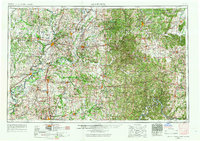 1956 Vincennes1967 Print · USGSSouthern Indiana and the Illinois borderlands are captured here in the mid-fifties, showing the region's dense network of river towns and rail lines. Researchers can trace historic river crossings along the Wabash River or locate landmarks like Wyandotte Cave and Lincoln State Park.4 unique versions available
 - 1957 Map of Vincennes
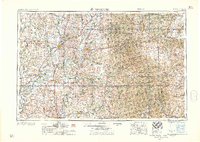 1957 Vincennes1957 Print · USGSSouthwest Indiana and the Illinois borderlands come alive in the late 1950s, a period of heavy rail traffic and expanding state forests. Genealogists and historians can trace the riverfronts and rail lines of Vincennes, New Harmony, and the vast Crane Naval Ammunition Depot.
 - 1957 Map of Cuzco, 1958 Print
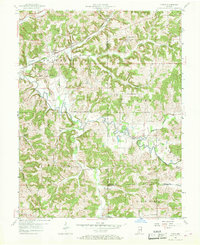 1957 Cuzco1958 Print · USGSThe rural landscapes of Orange and Dubois counties are frozen in time during the late fifties, centered on the Patoka River valley. Genealogists and researchers can locate family landmarks like Cane Creek Ch, Bender Sch, and the small settlement of Newton Stewart.2 unique versions available
 - 1957 Map of Birdseye, 1959 Print
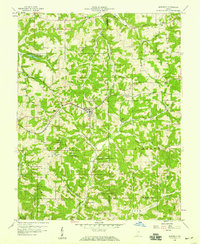 1957 Birdseye1959 Print · USGSSouthern Indiana was a landscape of deep forests and rail-linked towns in the late fifties, where the Southern Railway connected communities across Dubois and Crawford counties. Genealogists and local historians can trace family roots through several remote burial sites and churches, including Waddle Cem, Adkins Cem, and Anderson Valley Ch.2 unique versions available
 - 1957 Map of Bristow, 1959 Print
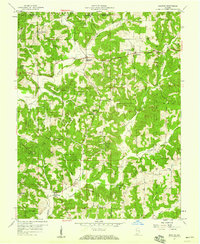 1957 Bristow1959 Print · USGSPerry County's rural landscape is captured here in the late fifties as small communities like Bristow and Siberia thrived alongside sprawling forest reserves. Genealogists can locate family landmarks like Lasher Cem and historic country parishes including St Johns Ch.4 unique versions available
 - 1958 Map of Vincennes
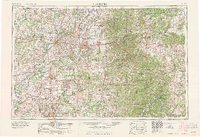 1958 Vincennes1958 Print · USGSSouthern Indiana and the Illinois borderlands are captured during a mid-century period of heavy rail traffic and military activity. Researchers can trace the sprawling bounds of the Crane Naval Ammunition Depot or locate historic settlements like New Harmony and French Lick.2 unique versions available
 - 1958 Map of Glendale, 1959 Print
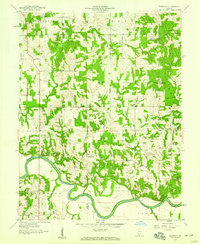 1958 Glendale1959 Print · USGSDaviess County's southern townships are captured in the late fifties, showing a landscape defined by the winding East Fork White River. Genealogists and local historians can locate rural landmarks like St Patricks Ch, Glencoe Cem, and the community of Glendale.
 - 1960 Map of Jasper, 1961 Print
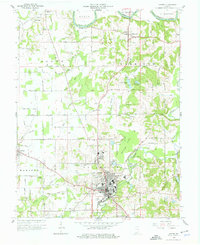 1960 Jasper1961 Print · USGSDubois County centered on Jasper shows a landscape of river-bend settlements and expanding rail infrastructure in the early sixties. Genealogists can locate family landmarks like Shiloh Ch and numerous rural plots including Alexander Cem and Wilhoit Cem.4 unique versions available
 - 1960 Map of Saint Meinrad, 1962 Print
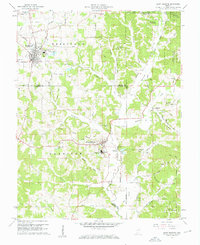 1960 Saint Meinrad1962 Print · USGSSouthern Indiana at the dawn of the sixties shows a unique mix of monastic tradition and coal production. Genealogists and historians can trace family-named landmarks like Tenn Beard Cem and Taylor Cem or locate the Saint Meinrad Seminary and its surrounding shrines.4 unique versions available
 - 1961 Map of Otwell, 1962 Print
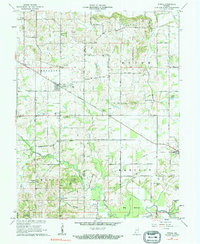 1961 Otwell1962 Print · USGSSouthern Indiana rural life is captured here in the early sixties, centered on the crossroads village of Otwell. Researchers can trace family history through numerous country landmarks like Traylor Union Ch, Chapel Cem, and the Otwell Holiness Camp.3 unique versions available
 - 1961 Map of Velpen, 1962 Print
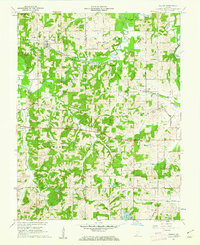 1961 Velpen1962 Print · USGSThe border of Pike and Dubois counties comes alive in the early sixties as a landscape of timbered ridges, coal-country oil wells, and quiet hamlets. Genealogists and hikers can locate family landmarks like Stillwell Cem, the local Covered Bridge, and the community of Pikeville.2 unique versions available
Showing maps 1-25 of 126
Top cities of Dubois County
Frequently asked questions
- What are the different types of historical maps available for Dubois County?
- What is the oldest map of Dubois County?
- Where can I purchase historical maps of Dubois County for my home or office?
- Where can I download high-res historical maps of Dubois County?
- Are there historical topographic maps available for Dubois County?
- Is there historical aerial imagery available for Dubois County?
- Where are historical maps of Dubois County sourced from?