Old Maps of Iowa, Louisiana
Explore 41 old maps of Iowa, spanning from 1932 to today. These high-resolution historic maps reveal how streets, neighborhoods, landmarks, and natural features evolved over time — perfect for genealogy, metal detecting, research, and local history exploration.
What you can do with these maps:
- See how Iowa changed over time: Compare historical maps to modern-day views to trace roads, homesites, rail lines & more.
- View detailed metadata: Each map includes creators, publishers, year, scale, and archive source.
- Overlay maps with satellite & LiDAR: Visualize the past alongside modern tools to explore terrain & human change.
- Trusted historical sources: Maps sourced from the USGS, Library of Congress, and other archives.
- Access maps your way: View online, download high-res files, or order prints for personal or research use.
Start exploring old maps of Iowa to uncover forgotten places, hidden landmarks, and the deep history beneath your feet.
Iowa, LA maps
(41)- 1932 Map of Lake Charles NE
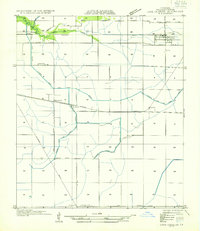 1932 Lake Charles NE1932 Print · USGSCalcasieu Parish at the start of the 1930s shows an intricate landscape of prairie agriculture and vital rail connections. Genealogists and historians can trace old homesteads and community hubs like Chloe, Bon Air, and the Holmwood Sch.
 - 1942 Map of Lake Charles
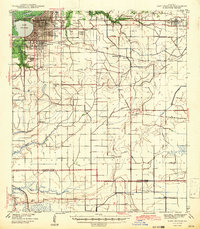 1942 Lake Charles1942 Print · USGSLake Charles and the surrounding coastal prairies are captured here in the early 1940s, just as modern aviation and industrial shipping were reshaping the parish. Genealogists can locate family landmarks like Higgins School, Sweet Lake Church, and the neighborhood of Goosport.
 - 1946 Map of Lacassine
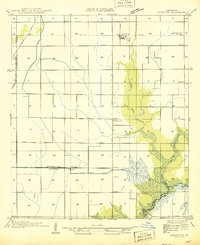 1946 Lacassine1946 Print · USGSSouthwestern Louisiana’s prairie and marshland are captured here in the mid-1940s as the rail and canal systems shaped local industry. Family historians can trace the area around Lacassine and Verrett, identifying landmarks like St Joseph Ch and Yount Lee Siding.
 - 1947 Map of Fenton
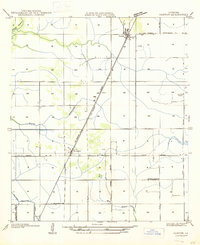 1947 Fenton1947 Print · USGSMid-century Jefferson Davis Parish comes alive along the Missouri Pacific rail line and U.S. Highway 165 during this post-war period. Genealogists and local historians can trace the foundations of Fenton, find the Rose Hill School, and locate the Woodlawn Cem near the parish line.
 - 1947 Map of Hecker
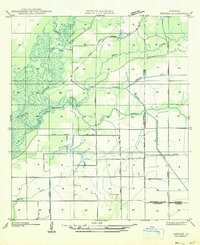 1947 Hecker1947 Print · USGSCalcasieu Parish was undergoing a significant transition between the world wars as timber harvesting and irrigation-based farming shaped the land. Researchers can trace the path of the Logging Railroad and locate family homes near Hecker and Stackpole.
 - 1950 Map of Fenton
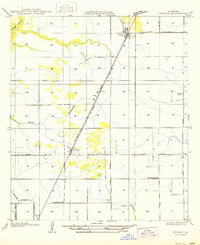 1950 Fenton1950 Print · USGSJefferson Davis Parish in the mid-twentieth century is shown here as a landscape of rail-side settlements and winding bayous. Genealogists can trace family footprints through rural sites like Rose Hill School, Woodlawn, and the Woodlawn Cem.
 - 1950 Map of Hecker
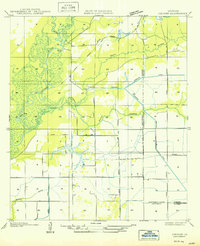 1950 Hecker1950 Print · USGSSouthwestern Louisiana's wetlands and early agricultural infrastructure are visible here in the years following the mid-1930s field surveys. Trace the Old Logging Railroad Grade and the engineering of the Louisiana Irrigation Canal near Hecker.
 - 1952 Map of Lake Charles
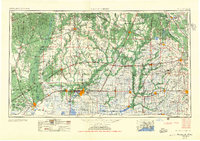 1952 Lake Charles1952 Print · USGSSouthwest Louisiana is captured here in the mid-fifties, showing a landscape defined by the rise of the petrochemical industry and deep-water navigation. Researchers can trace family roots through numerous small-town settlements and oil developments like Nibletts Bluff, the Lockport Oil Field, and Starks.
 - 1954 Map of Lake Charles, 1964 Print
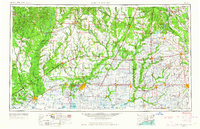 1954 Lake Charles1964 Print · USGSSouthwest Louisiana in the mid-fifties is defined by its massive petroleum industry and its complex network of bayous and rail lines. Researchers can trace the development of the Sulphur Mines Oil Field or locate historic settlements like Longville and De Quincy.3 unique versions available
 - 1955 Map of Iowa, 1956 Print
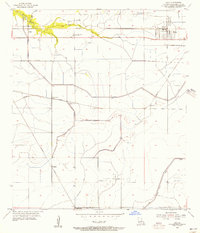 1955 Iowa1956 Print · USGSCalcasieu Parish in the mid-fifties is defined by its intersection of heavy rail and emerging energy fields. Genealogists and historians can trace rail-side settlements like Iowa and Chalkley alongside the sprawling Iowa Oil and Gas Field.3 unique versions available
 - 1955 Map of Welsh, 1956 Print
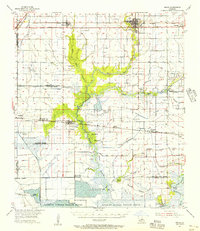 1955 Welsh1956 Print · USGSCoastal Louisiana prairie and marshlands meet in the mid-fifties, showing the agricultural and industrial landscape of Jefferson Davis Parish. Trace family roots at Broussard Cem or follow the old Southern Pacific line through Lacassine and Welsh.4 unique versions available
 - 1955 Map of Lake Charles, 1956 Print
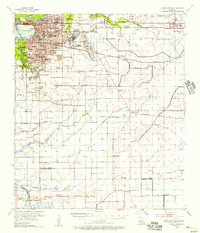 1955 Lake Charles1956 Print · USGSMid-century Lake Charles is shown as a thriving railroad and educational hub before its late-twentieth-century industrial shifts. Researchers can trace family roots through neighborhood schools like Henry Heights Sch or locate ancestors at LeBleu Cem and Highland Cem.3 unique versions available
 - 1956 Map of Hecker, 1957 Print
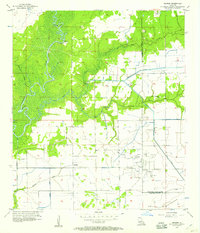 1956 Hecker1957 Print · USGSCalcasieu Parish in the mid-1950s shows a landscape defined by the Iowa Oil and Gas Field and a complex irrigation network. Genealogists and historians can locate family landmarks like Hebert Cem and the settlements of Hecker and Le Bleu.3 unique versions available
 - 1957 Map of Moss Bluff, 1958 Print
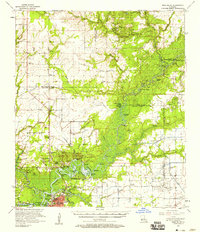 1957 Moss Bluff1958 Print · USGSCalcasieu Parish and its surrounding bayous are captured here in the late fifties as the river economy transitions toward industry. Researchers can trace family roots at Birdnest Cem or locate historic river crossings like Perkins Ferry.3 unique versions available
 - 1959 Map of Kinder, 1960 Print
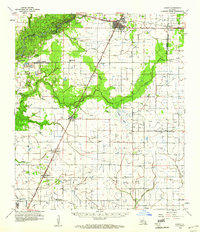 1959 Kinder1960 Print · USGSSouthwest Louisiana is captured here in the late fifties as timber, rail, and oil industries converged across the parish lines. Genealogists and historians can trace the foundations of Kinder and Welsh or locate rural sites like Sacred Heart Ch and McGee Cem.4 unique versions available
 - 1985 Map of Fenton
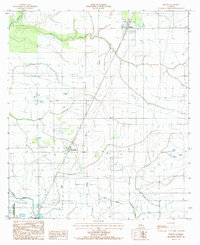 1985 Fenton1985 Print · USGSJefferson Davis Parish in the mid-eighties shows a landscape defined by its bayous and agricultural infrastructure. Trace the early layout of Fenton and Woodlawn or locate rural features like the Cem and various Radio Towers among the irrigation flumes.
 - 1985 Map of Lacassine
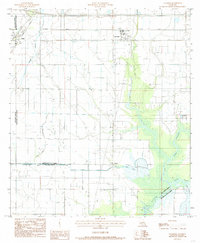 1985 Lacassine1985 Print · USGSCoastal prairie life in the mid-eighties was defined by the rail lines and irrigation canals that shaped Jefferson Davis Parish. Researchers can trace the dual tracks of the Southern Pacific and Missouri Pacific or locate the rural Cem and Verret settlement.2 unique versions available
 - 1985 Map of Crowley, 1986 Print
 1985 Crowley1986 Print · USGSCoastal prairie and bayou country are captured in the mid-eighties as the rice-and-rail economy defined South Louisiana life. Genealogists and researchers can trace family lands and rural hubs from Crowley to Jennings, following the paths of the Southern Pacific Railroad and the winding Mermentau River.2 unique versions available
 - 1986 Map of Lake Charles
 1986 Lake Charles1986 Print · USGSThe Louisiana-Texas borderlands are captured here in the mid-1980s, showcasing the industrial growth of the Lake Charles region and its rail-linked satellite towns. Trace the evolution of coastal settlements and family landmarks from Sulphur to the Highland Cem.2 unique versions available
 - 1994 Map of Iowa, 1996 Print
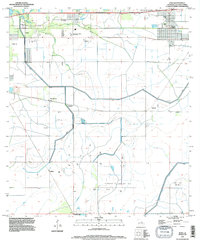 1994 Iowa1996 Print · USGSCalcasieu Parish's industrial and agricultural character is on full display in the mid-1990s. Researchers can trace oil and gas history at Iowa Oil and Gas Field and explore old settlements like Chalkley and Holmwood.
 - 1994 Map of Hecker, 1996 Print
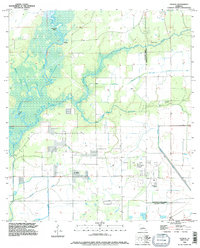 1994 Hecker1996 Print · USGSCalcasieu and Jefferson Davis Parishes are shown in the mid-1990s, revealing a landscape defined by industrial oil fields and deep-rooted bayou settlements. Local researchers can trace family landmarks like Hebert Cem and La France Cem or explore the wetlands surrounding Hecker and the Iowa Oil and Gas Field.
 - 2012 Map of Lacassine, 2012 Print
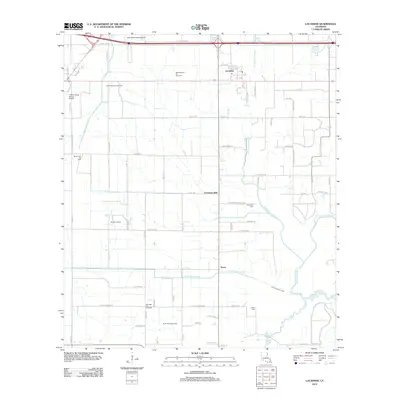 2012 Lacassine2012 Print · USGSCoastal prairie and oil fields dominate this portion of Louisiana during the early 2010s. Researchers can locate family landmarks like Broussard Cem, early aviation sites at Light Plane Flyers Airfield, and the scattered settlements of Verret and Lacassine.
 - 2012 Map of Fenton, 2012 Print
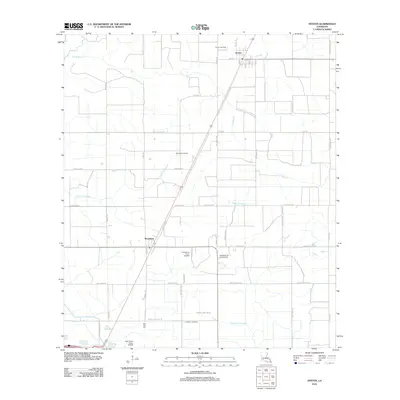 2012 Fenton2012 Print · USGSCoastal prairie and oil fields define this Calcasieu Parish landscape during the early twenty-first century. Researchers can trace family-named roads and locate landmarks like the Pine Hill Cem, Fenton Gas Field, and the Lonesome Dove Airfield.
 - 2012 Map of Hecker, 2012 Print
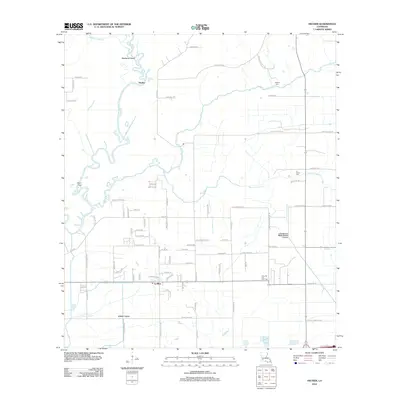 2012 Hecker2012 Print · USGSCoastal prairie and bayou country are seen here during the early twenty-first century, showing the area's transition between agricultural irrigation and oil production. Researchers can locate family landmarks like Herbert Cem and La France Cem or the industrial footprint of the Iowa Oil and Gas Field.
 - 2012 Map of Iowa, 2012 Print
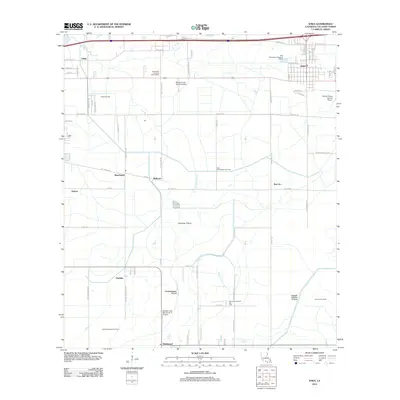 2012 Iowa2012 Print · USGSCoastal prairie and energy production define this Calcasieu Parish landscape in the early twenty-first century. Genealogists and researchers can trace local landmarks like Southwest Louisiana Boys Village and the settlements of Chloe, Bon Air, and Holmwood.
Showing maps 1-25 of 41
Top cities near Iowa
- Lake Charles historical maps
- Welsh historical maps
- Kinder historical maps
- Hayes historical maps
- Fenton historical maps
Frequently asked questions
- What are the different types of historical maps available for Iowa?
- What is the oldest map of Iowa?
- Where can I purchase historical maps of Iowa for my home or office?
- Where can I download high-res historical maps of Iowa?
- Are there historical topographic maps available for Iowa?
- Is there historical aerial imagery available for Iowa?
- Where are historical maps of Iowa sourced from?