Old Maps of Tangipahoa Parish, Louisiana
Explore 205 old maps of Tangipahoa Parish, spanning from 1891 to today. These high-resolution historic maps reveal how streets, neighborhoods, landmarks, and natural features evolved over time — perfect for genealogy, metal detecting, research, and local history exploration.
What you can do with these maps:
- See how Tangipahoa Parish changed over time: Compare historical maps to modern-day views to trace roads, homesites, rail lines & more.
- View detailed metadata: Each map includes creators, publishers, year, scale, and archive source.
- Overlay maps with satellite & LiDAR: Visualize the past alongside modern tools to explore terrain & human change.
- Trusted historical sources: Maps sourced from the USGS, Library of Congress, and other archives.
- Access maps your way: View online, download high-res files, or order prints for personal or research use.
Start exploring old maps of Tangipahoa Parish to uncover forgotten places, hidden landmarks, and the deep history beneath your feet.
Tangipahoa Parish, LA maps
(205)- 1891 Map of Spanish Fort
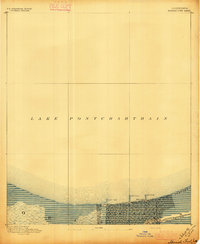 1891 Spanish Fort1891 Print · USGSThe New Orleans lakefront in the early 1890s was a landscape of emerging rail hubs and shoreline outposts. Trace the early footprints of Milneburg, Spanish Fort, and the lighthouse stations along Lake Pontchartrain during this pivotal era of coastal growth.4 unique versions available
 - 1934 Map of Springfield
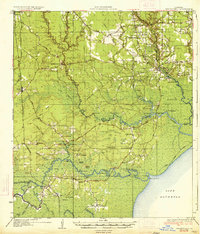 1934 Springfield1934 Print · USGSLivingston Parish in the early 1930s is a landscape of complex waterways and small riverfront settlements. Genealogists can trace family roots through sites like Davidson Cem, the Hungarian Sch, and many historic landings including Magnolia Ldg.2 unique versions available
 - 1935 Map of Covington
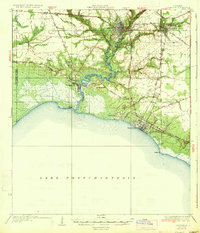 1935 Covington1935 Print · USGSSt. Tammany Parish thrived as a river and rail hub during the mid-1930s, anchored by the bustling towns along Lake Pontchartrain. Researchers can trace the path of the Illinois Central RR and locate local landmarks like the Rosenwald Sch or the Chefuncte LH.3 unique versions available
 - 1935 Map of Ponchatoula
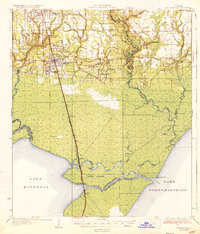 1935 Ponchatoula1935 Print · USGSCoastal Tangipahoa Parish is seen here in the mid-1930s, where the railroad and early highways began to bridge the gap between the piney woods and the great lakes. Researchers can locate family landmarks like Mitchell Cemetery or trace the old routes to the Manchac Akers Post Office and Jones Island.2 unique versions available
 - 1936 Map of Spanish Fort, 1938 Print
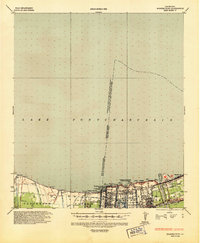 1936 Spanish Fort1938 Print · USGSThe New Orleans lakefront in the mid-1930s reveals a landscape of leisure and engineering as the city expanded toward the water. Trace the footprints of Pontchartrain Beach Amusement Park, the historic docks at Milneburg, and the path of the Old Spanish Trail.
 - 1939 Map of Ponchatoula
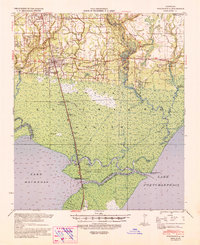 1939 Ponchatoula1939 Print · USGSLouisiana's Florida Parishes are captured here in the late thirties, where the rail lines of the Illinois Central meet the cypress swamps. Researchers can trace family roots at Wetmore Cem or locate the remote Pass Manchac LH and the lumber camps of the Louisiana Cypress Lumber Co.
 - 1939 Map of Covington
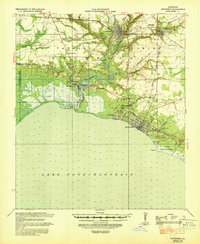 1939 Covington1939 Print · USGSSt. Tammany Parish thrived as a river and rail corridor before mid-century, where the Bogue Falaya met the northern shore of Lake Pontchartrain. Genealogists and historians can trace family roots through the Rosenwald Sch, Little Zion Ch & Cem, and the old rail routes of the Illinois Central.
 - 1939 Map of Springfield
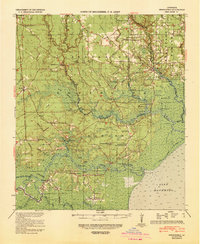 1939 Springfield1939 Print · USGSCoastal Louisiana at the end of the Depression era reveals a world of river landings and remote parish settlements. Genealogists and researchers can locate family sites like Davidson Cem, local schools such as Hungarian Sch, and numerous river points including Warsaw Log.2 unique versions available
 - 1939 Map of Sunny Hill
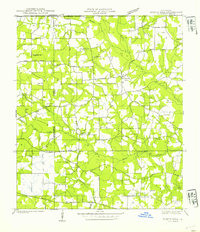 1939 Sunny Hill1939 Print · USGSThe Louisiana-Mississippi borderlands come to life in this late 1930s survey of Tangipahoa and Washington Parishes. Genealogists and historians can trace family roots through numerous sites like Miller Cem, Union Sch, and the community of Mt Hermon.
 - 1940 Map of Spring Creek
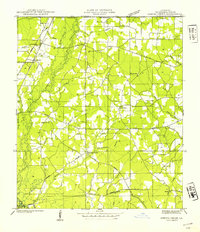 1940 Spring Creek1940 Print · USGSTangipahoa Parish at the start of the 1940s is a landscape of creek-side farms and rural crossroads. Trace family roots and local landmarks like German Cem, Midway Sch, and the Illinois Central Railroad corridor.
 - 1940 Map of Tickfaw
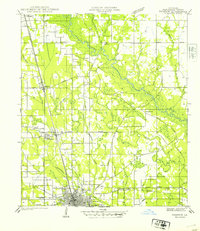 1940 Tickfaw1940 Print · USGSTangipahoa Parish at the start of the 1940s is shown here as a landscape of river-bottom woods and growing railroad towns. Researchers can trace the development of Hammond and SE LA COLLEGE, or locate family landmarks like Red Hill Sch and Colonial Cem.
 - 1940 Map of Roseland, 1954 Print
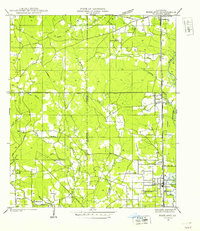 1940 Roseland1954 Print · USGSTangipahoa Parish in the 1940s is seen here as a series of rail-side towns and rural crossroads along the Illinois Central Railroad. Genealogists and historians can trace early community hubs like Fluker, Arcola, and the Kelly Cem.
 - 1942 Map of Roseland
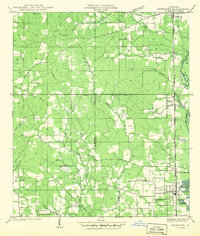 1942 Roseland1942 Print · USGSTangipahoa Parish is seen here in the early 1940s, when the Illinois Central Railroad linked a corridor of small towns and timber lands. Genealogists can trace early residents through sites like Kelly Cem, Big Zion Sch, and Claiborne Chapel.
 - 1942 Map of Onville
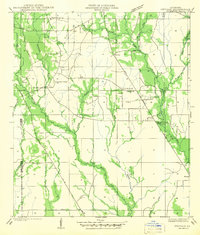 1942 Onville1942 Print · USGSThe rural borderlands of St. Tammany and Tangipahoa Parish are meticulously detailed in this early 1940s survey. Genealogists and local historians can locate family landmarks like Fendlason Cem, the Onville Sch, and the Live Oak Ch.
 - 1942 Map of Husser
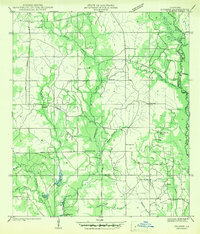 1942 Husser1942 Print · USGSIn the early 1940s, the rural reaches of Tangipahoa Parish were a patchwork of small schools, family cemeteries, and winding creeks. Genealogists and local historians can trace community roots through sites like Stevens Cem, St Dominic Sch, and Sudville Ch.
 - 1942 Map of Robert
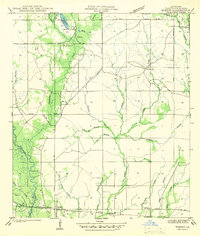 1942 Robert1942 Print · USGSTangipahoa Parish in the early 1940s was a landscape of river-fed lowlands and timber-rich estates. Researchers can locate family landmarks like Reid Cem, trace the Illinois Central tracks, or find local centers like Uneedus Sch and Zemurray Lodge.
 - 1942 Map of Wilmer
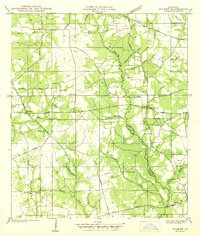 1942 Wilmer1942 Print · USGSTangipahoa and Washington Parishes are shown in detail during the early 1940s, split by the winding Chefuncte River. Family historians can locate numerous rural burial grounds and churches such as Brumfield Cem, Cutrer Sch, and Sacred Heart Ch.
 - 1942 Map of Loranger
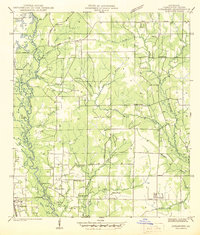 1942 Loranger1942 Print · USGSTangipahoa Parish at the dawn of the 1940s reveals a landscape of river-bottom lands and rural crossroads. Genealogists can trace early family sites like Spring Cem, Union Ch, and the Barnett Sch along the Illinois Central line.
 - 1949 Map of Bolivar
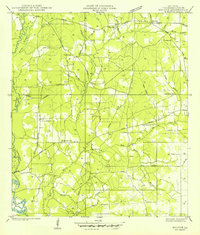 1949 Bolivar1949 Print · USGSTangipahoa Parish in the late 1940s is shown here as a landscape of rural schools and timberland drainages. Genealogists can locate specific family landmarks and church sites like Hammonds Chapel Cem, Dyson Sch, and the community of Chesbrough.
 - 1949 Map of Amite
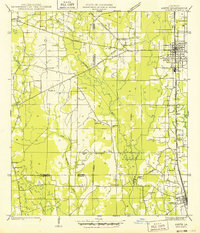 1949 Amite1949 Print · USGSTangipahoa Parish enters the post-war era as a busy corridor of rail commerce and rural community life. Researchers can trace family roots through numerous local landmarks, including Baham Cemetery, McMichael Church, and the Illinois Central line through Amite.
 - 1949 Map of Albany
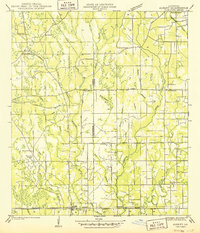 1949 Albany1949 Print · USGSLivingston Parish and Tangipahoa Parish settlements are mapped here just after the war, showing the rural landscape before modern development. Researchers can trace family history through sites like Hoover Cem, Woodhaven, and the Seventh Ward Sch near the Natalbany River.
 - 1950 Map of Kentwood
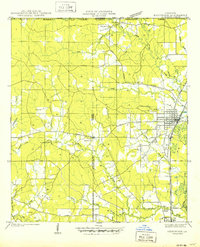 1950 Kentwood1950 Print · USGSKentwood and Tangipahoa thrive along the Illinois Central rail corridor during the mid-century, marking a period of established rural settlement along the Mississippi state line. Researchers can locate numerous family burial sites and churches, including the Camp Moore Confederate Cem, Barnes Cem, and Bethel Ch.
 - 1950 Map of Folsom
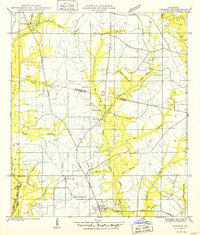 1950 Folsom1950 Print · USGSThe northern piney woods of St. Tammany Parish are captured here at mid-century, centered on the crossroads of Folsom. Local historians can trace family roots at Owens Cem and Pierre Cem or locate early schools like the Folsom Rosenwald Sch.
 - 1950 Map of Covington, 1965 Print
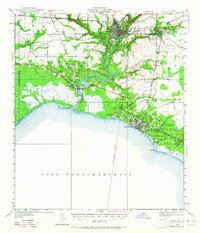 1950 Covington1965 Print · USGSSt. Tammany Parish at mid-century reveals a landscape of river-port towns and growing lakeshore communities before the full expansion of the New Orleans suburbs. Genealogists can trace family sites near White Chapel, St James Ch, and the Rosenwald Sch or follow the historic Illinois Central rail line.
 - 1951 Map of Ponchatoula, 1953 Print
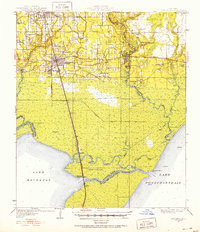 1951 Ponchatoula1953 Print · USGSThe swampy interface of Tangipahoa Parish is captured in the early fifties as the railroad reached across the wetlands toward New Orleans. Trace historical footprints at Manchac Akers P.O., find family sites like Edwards Cem, or locate the Pass Manchac L H.3 unique versions available
Showing maps 1-25 of 205
Top cities of Tangipahoa Parish
- Hammond historical maps
- Ponchatoula historical maps
- Kentwood historical maps
- Independence historical maps
- Roseland historical maps
- Tangipahoa historical maps
See more
Frequently asked questions
- What are the different types of historical maps available for Tangipahoa Parish?
- What is the oldest map of Tangipahoa Parish?
- Where can I purchase historical maps of Tangipahoa Parish for my home or office?
- Where can I download high-res historical maps of Tangipahoa Parish?
- Are there historical topographic maps available for Tangipahoa Parish?
- Is there historical aerial imagery available for Tangipahoa Parish?
- Where are historical maps of Tangipahoa Parish sourced from?