1900s (20th Century) Maps of Washington Parish, Louisiana
Explore 79 historic maps of Washington Parish from the 1900s (20th Century). These maps offer a rare glimpse into what life looked like during the 1900s — showing old roads, neighborhoods, homes, and landmarks that have changed or disappeared over time.
Whether you're researching your family's past, planning a metal detecting trip, or studying how Washington Parish's landscape evolved across the 1900s, these high-resolution maps are a powerful tool for exploring the history of this region.
- Focus on a specific era: All maps on this page are from the 1900s, giving you a focused view of this time period.
- See what’s changed: Compare century-old streets, trails, and buildings to today's modern landscape using overlays and satellite layers.
- Research with precision: Use these maps for genealogy, historical research, land use analysis, or educational projects.
- View, download, or print: Maps are fully viewable online in high resolution, and can be downloaded or printed for your own records.
Start exploring Washington Parish's history through authentic maps from the 1900s. This is your window into the past.
Washington Parish, LA maps
(79)- 1939 Map of Zona
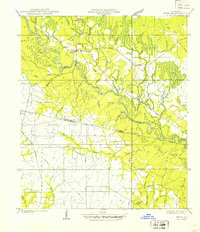 1939 Zona1939 Print · USGSThe borderlands of Washington and St. Tammany Parishes are captured here in the late 1930s as a landscape of river-bottom farms and small settlements. Researchers can locate family landmarks like Magee Cem, Union Grove Sch, and the Airway Beacon near Enon.
 - 1939 Map of Sunny Hill
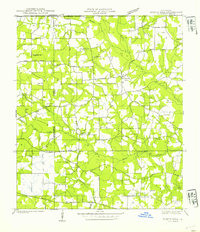 1939 Sunny Hill1939 Print · USGSThe Louisiana-Mississippi borderlands come to life in this late 1930s survey of Tangipahoa and Washington Parishes. Genealogists and historians can trace family roots through numerous sites like Miller Cem, Union Sch, and the community of Mt Hermon.
 - 1939 Map of Clifton, 1949 Print
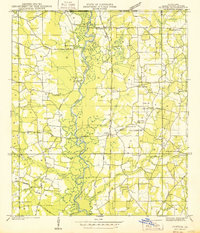 1939 Clifton1949 Print · USGSWashington Parish at the end of the Depression era shows a landscape of small river settlements and family-named landmarks along the Bogue Chitto River. Genealogists can trace rural family roots through sites like Bankston Cem, John Smith Sch, and New Jerusalem Ch.
 - 1942 Map of Husser
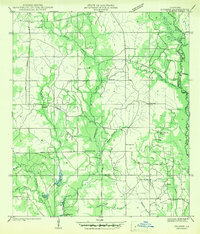 1942 Husser1942 Print · USGSIn the early 1940s, the rural reaches of Tangipahoa Parish were a patchwork of small schools, family cemeteries, and winding creeks. Genealogists and local historians can trace community roots through sites like Stevens Cem, St Dominic Sch, and Sudville Ch.
 - 1942 Map of Thigpen
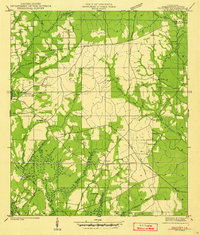 1942 Thigpen1942 Print · USGSWashington Parish in the early 1940s is a landscape of rural family holdings and creek-side settlements. Genealogists can locate numerous family burial grounds including Magee Cem and Spencer Cem, alongside landmarks like Sheridan Store.2 unique versions available
 - 1942 Map of Wilmer
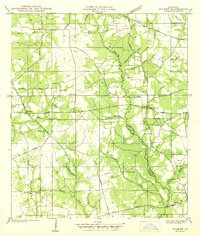 1942 Wilmer1942 Print · USGSTangipahoa and Washington Parishes are shown in detail during the early 1940s, split by the winding Chefuncte River. Family historians can locate numerous rural burial grounds and churches such as Brumfield Cem, Cutrer Sch, and Sacred Heart Ch.
 - 1942 Map of Rio
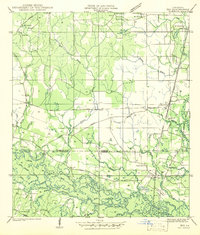 1942 Rio1942 Print · USGSThe borderlands of Washington and St. Tammany Parishes are captured here in the early 1940s as the Bogue Chitto River winds through the southern woods. Researchers can locate many family-named landmarks including the Old Magee Cem, Rosenwald Sch, and the rail stop at Rio.
 - 1942 Map of Pools Bluff
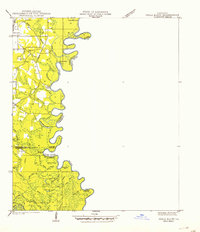 1942 Pools Bluff1942 Print · USGSThe Pearl River bottomlands at the start of the 1940s reveal a landscape of dense bayous and isolated river settlements. Genealogists can locate family burial grounds like Sheridan Cem and Morris Cem, or trace early transit routes such as the Float Road.
 - 1942 Map of Thomas
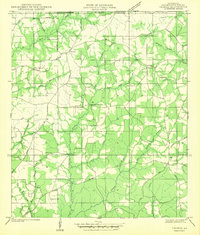 1942 Thomas1942 Print · USGSWashington Parish at the start of the 1940s is captured here as a network of rural crossroads and family homesteads along the Mississippi border. Genealogists can trace the locations of family-named landmarks like Schilling Cem, Black Jack Sch, and the community of Hackley.
 - 1949 Map of Bogalusa East
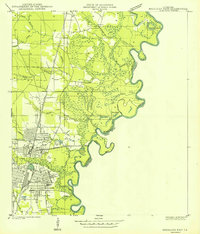 1949 Bogalusa East1949 Print · USGSThe industrial city of Bogalusa sits at the edge of the Pearl River bottomlands in the late 1940s. Researchers can trace the city's growth from Goodyear Park to the Gulf Mobile and Ohio rail lines, or locate family plots at Gann Cem and Adams Cem.
 - 1949 Map of Angie
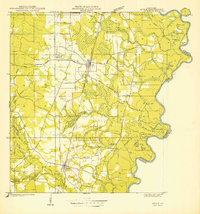 1949 Angie1949 Print · USGSNear the Pearl River in the late 1940s, this area of Washington Parish shows a landscape of timber and rail. Genealogists can locate family-named sites like Pleasant Valley Cem, Wesley Ray High Sch, and the community of Varnado.
 - 1949 Map of Bogalusa West
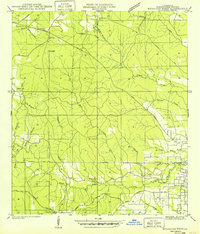 1949 Bogalusa West1949 Print · USGSThe piney woods of Washington Parish appear here in the decade following the Great Depression, showing a landscape shaped by timber and small communities. Researchers can locate family burial grounds like Mc Ghee Cem, the Ben Ford Sch, and the Sheridan Fire Tower.
 - 1950 Map of Folsom
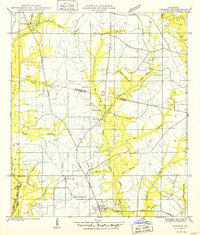 1950 Folsom1950 Print · USGSThe northern piney woods of St. Tammany Parish are captured here at mid-century, centered on the crossroads of Folsom. Local historians can trace family roots at Owens Cem and Pierre Cem or locate early schools like the Folsom Rosenwald Sch.
 - 1950 Map of Crains Creek
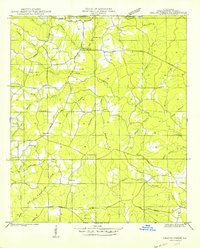 1950 Crains Creek1950 Print · USGSWashington Parish at the midpoint of the century is a landscape of rural family homesteads and timberlands along the Mississippi border. Researchers can trace ancestral roots through numerous burial sites like Schillings Cem and local schoolhouses like Crains Creek Sch.
 - 1950 Map of Franklinton
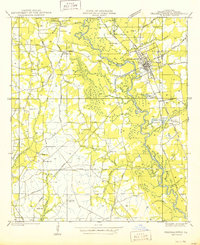 1950 Franklinton1950 Print · USGSMid-century Washington Parish comes to life through this detailed survey of the area surrounding the Bogue Chitto River. Researchers can trace family history at sites like Bickham Cem, Sunlight Ch-, and the Bellevue Sch during a time when small communities like Jenkins were still prominently mapped.
 - 1953 Map of Hattiesburg, 1965 Print
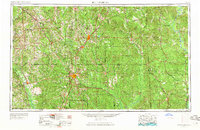 1953 Hattiesburg1965 Print · USGSSouth Mississippi and western Alabama are shown here during the mid-twentieth century as the timber and rail industries shaped the region. Genealogists and historians can trace rail lines like the Mississippi Central and locate rural centers such as Magee, Richton, and Mount Vernon.4 unique versions available
 - 1953 Map of Natchez, 1966 Print
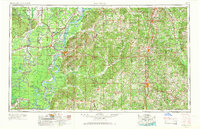 1953 Natchez1966 Print · USGSSouthwest Mississippi and the Louisiana border country come alive in this mid-century survey of the river valley and forest lands. Researchers can trace the rail lines of the Illinois Central RR and locate rural hubs like Gloster and Ferriday.3 unique versions available
 - 1953 Map of Mobile, 1968 Print
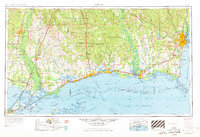 1953 Mobile1968 Print · USGSThe Gulf Coast comes alive in this mid-century survey, from the streets of Mobile to the marshes of New Orleans. Trace family roots in coastal towns like Pass Christian and Bayou La Batre or locate military landmarks including Keesler AFB.3 unique versions available
 - 1954 Map of Folsom, 1958 Print
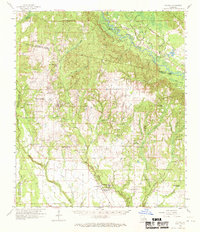 1954 Folsom1958 Print · USGSLouisiana's northshore parishes come alive in the mid-1950s, revealing a landscape of winding river prongs and small rural settlements. Genealogists can trace family roots through numerous sites like Magee Cem, Fivemile Still Cem, and the Folsom Rosenwald Sch.
 - 1954 Map of Baton Rouge, 1974 Print
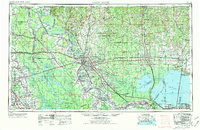 1954 Baton Rouge1974 Print · USGSSoutheast Louisiana in the mid-fifties is captured here during a period of transition for its river and rail economies. Researchers can trace the path of the Mississippi River and find landmarks like the Bonnet Carre Spillway and Bayou Plaquemine.2 unique versions available
 - 1956 Map of Natchez
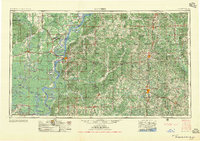 1956 Natchez1956 Print · USGSThe Mississippi River borderlands and the Pine Hills come alive in this mid-fifties study of the Natchez region. Genealogists and historians can trace rail-era towns along the Illinois Central RR and explore the oxbows of Lake Bruin and Lake Concordia.
 - 1956 Map of Baton Rouge
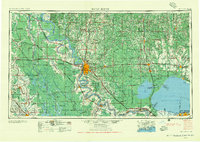 1956 Baton Rouge1956 Print · USGSSouth Louisiana at the height of the mid-century oil boom shows a landscape of river oxbows and rising industry. Researchers can trace family roots through river towns like Scotlandville or locate early industrial sites and Oil wells near Lake Maurepas.
 - 1957 Map of Mobile
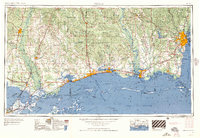 1957 Mobile1957 Print · USGSThe Gulf Coast in the mid-1950s reveals a bustling corridor of rail-and-river commerce connecting Alabama to Louisiana. Genealogists and historians can trace old settlements and military hubs from Keesler Afb to the coastal reaches of Ship Island and Bogalusa.3 unique versions available
 - 1958 Map of Hattiesburg
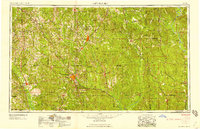 1958 Hattiesburg1958 Print · USGSSoutheastern Mississippi's timber and rail networks are at their peak during the late fifties, centered on the growing hubs of Hattiesburg and Laurel. Researchers can trace old family landmarks like Sims Chapel, the Busbey Game Refuge, and the vanished stops along the Mississippi Central railroad.2 unique versions available
 - 1958 Map of Mount Hermon, 1959 Print
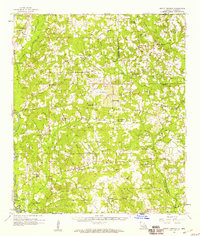 1958 Mount Hermon1959 Print · USGSIn the late fifties, the Florida Parishes remained a landscape of timbered hollows and rail-linked towns like Kentwood. Researchers can trace family sites from Mount Hermon Cem to the Sunny Hill Lookout Tower and James Chapel.3 unique versions available
Showing maps 1-25 of 79
Top cities of Washington Parish
Frequently asked questions
- What are the different types of historical maps available for Washington Parish?
- What is the oldest map of Washington Parish?
- Where can I purchase historical maps of Washington Parish for my home or office?
- Where can I download high-res historical maps of Washington Parish?
- Are there historical topographic maps available for Washington Parish?
- Is there historical aerial imagery available for Washington Parish?
- Where are historical maps of Washington Parish sourced from?