Old Maps of Koochiching County, Minnesota for Academic Research
Study the evolution of Koochiching County with 566 high-resolution historic maps. Whether you're teaching, researching, or modeling changes in land use, these maps provide essential visual documentation of urban, environmental, and geographic change.
- Analyze long-term change: Track patterns in development, transportation, and natural features.
- Ideal for environmental or urban studies: Support academic projects with primary historical map data.
- Use in the classroom or lab: Educators and researchers rely on these maps to bring historical context to life.
These maps are a powerful tool for teaching, research, and visualizing how Koochiching County has changed over the decades.
Koochiching County, MN maps
(566)- 1918 Map of Zora, 1943 Print
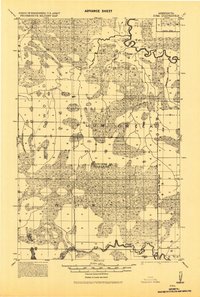 1918 Zora1943 Print · USGSNorthern Minnesota's riverfront and wetlands are documented here in the early twentieth century as drainage projects began to reshape the woods. Researchers can trace the winding Big Fork River and locate early landmarks like Caldwell and the Judicial Ditch.
 - 1919 Map of Zora
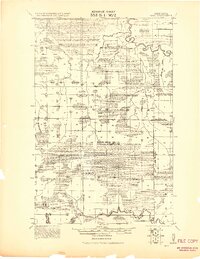 1919 Zora1919 Print · USGSNorthern Minnesota during the early years of the twentieth century was a landscape of remote timberlands and new county lines. Genealogists and local historians can trace the small settlement of Caldwell and early infrastructure like Judicial Ditch and the Big Fork River.
 - 1919 Map of Lundgren
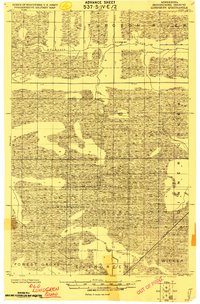 1919 Lundgren1919 Print · USGSNorthern Minnesota's wetland frontier is captured here at the end of the Great War, showing a landscape defined by drainage ditches and early rail lines. Researchers can trace the Minnesota and International railroad and find early settlements like Lundgren, Evergreen, and Wicker.2 unique versions available
 - 1919 Map of Gemmell
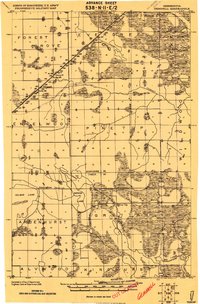 1919 Gemmell1919 Print · USGSNorthern Minnesota’s timber and rail landscape is caught here just after the Great War. Genealogists and rail historians can trace the Minnesota and International Ry corridor through Gemmell and Mizpah, or locate the isolated School near Pine Top.
 - 1919 Map of Norden
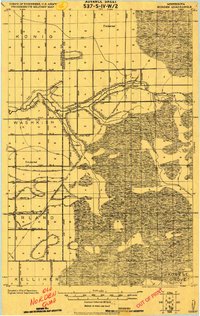 1919 Norden1919 Print · USGSNorthern Minnesota’s drainage and timber frontier is captured here just after the Great War. Genealogists and researchers can trace the early township lines of Washkish and Norden alongside the historic Old Red Lake Indian Reservation Boundary.
 - 1919 Map of Pelland
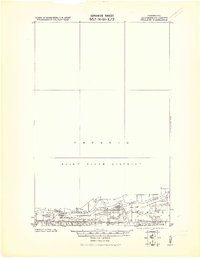 1919 Pelland1919 Print · USGSKoochiching County sits at the edge of the international border in 1919, where river traffic and rail transport defined the local economy. Genealogists and historians can trace the early layouts of Pelland, Big Fork, and Laurel along the path of the Minnesota Dakota and Western railroad.2 unique versions available
 - 1919 Map of Birchdale
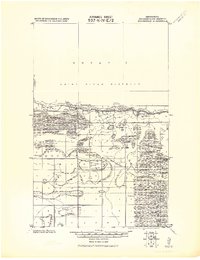 1919 Birchdale1919 Print · USGSThe Rainy River borderlands come to life in this post-World War I military survey, showing the early infrastructure of northern Koochiching County. Researchers can trace the development of Birchdale and Manitou and follow the intricate Judicial Ditch drainage system.
 - 1919 Map of I
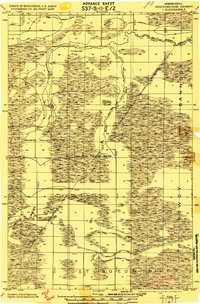 1919 I1919 Print · USGSKoochiching County at the end of the Great War was a frontier of timber and tribal boundaries. Researchers can trace the legacy of land division through the Original Red Lake Indian Reservation Boundary and the settlement at Fairland.
 - 1919 Map of Bridgie, 1924 Print
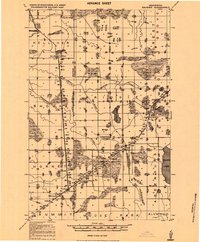 1919 Bridgie1924 Print · USGSNorthern Minnesota timber country comes alive in this post-World War I era survey of the borderlands between Beltrami and Koochiching counties. Genealogists and historians can trace the early railroad boom through Northome, Funkley, and Orth along the Minnesota International line.
 - 1919 Map of Happy Land, 1943 Print
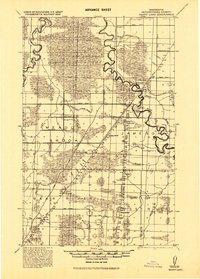 1919 Happy Land1943 Print · USGSKoochiching County at the close of the Great War shows a wilderness being transformed by an ambitious network of drainage ditches and rail lines. Genealogists can trace family-named sites and vanished stops like Happyland, Bessemer, and the station at Wisner.
 - 1919 Map of M, 1943 Print
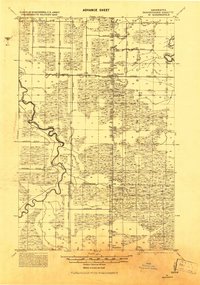 1919 M1943 Print · USGSKoochiching County at the close of the frontier era reveals a northern wilderness being reshaped by drainage projects and early rail. Genealogists and local historians can trace the early footprints of McDonald, Dentaybow, and Rockton along the winding Big Fork River.
 - 1919 Map of Margie, 1943 Print
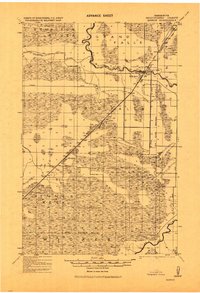 1919 Margie1943 Print · USGSKoochiching County as the railroad era opened up the northern woods, showing a landscape of river bends and newly cut drainage ditches. Trace early timber and rail history through the settlements at Big Falls, Grand Falls, and the remote station at Margie.
 - 1919 Map of International Falls, 1943 Print
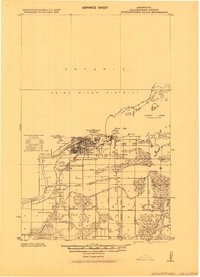 1919 International Falls1943 Print · USGSInternational Falls and the Canadian border are captured in the era of early industrial expansion. Researchers can trace the development of neighborhood additions and remote rail stops like Goldville, Nakoda, and the local Poor Farm along the Rainy River.
 - 1924 Map of Bridgie, 1944 Print
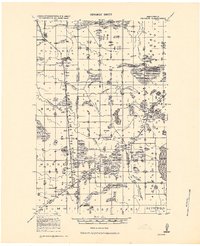 1924 Bridgie1944 Print · USGSNorthern Minnesota's woods and wetlands are captured here in the mid-1920s as the rail lines and early settlements began to formalize the landscape. Researchers can trace the path of the Minnesota International through vanished rail stops and small towns like Orth, Funkley, and Bridgie.
 - 1943 Map of Lindford
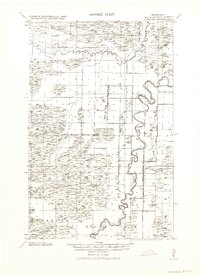 1943 Lindford1943 Print · USGSNorthern Minnesota's river-cut wilderness appears here as it was organized during the first half of the twentieth century. Genealogists and researchers can trace early rural life near the Big Fork River, locating the riverside community of Lindford and the Church at Bannock.
 - 1954 Map of Bemidji, 1966 Print
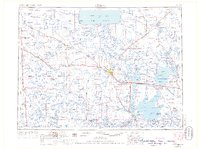 1954 Bemidji1966 Print · USGSNorthern Minnesota's lake country and timberlands are captured here at a mid-century peak of rail and road expansion. Genealogists and historians can trace family roots through numerous small settlements like Mahnomen, Clearbrook, and Walker, while locating local landmarks such as White Earth Church.4 unique versions available
 - 1954 Map of Hibbing, 1966 Print
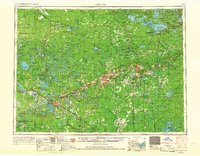 1954 Hibbing1966 Print · USGSNorthern Minnesota's Iron Range thrives during the mid-1960s, showing the industrial landscape between the Mesabi Range and the Mississippi River. Genealogists and historians can trace the rail lines of the Great Northern RR through mining hubs like Hibbing and Virginia.3 unique versions available
 - 1954 Map of Roseau, 1969 Print
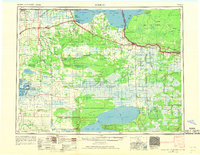 1954 Roseau1969 Print · USGSNorthern Minnesota's borderlands come alive in the 1950s, showing a landscape defined by timber, water, and rail. Trace family roots through old schools and cemeteries near Roseau, Warroad, and the expansive Red Lake Indian Reservation.2 unique versions available
 - 1954 Map of International Falls, 1980 Print
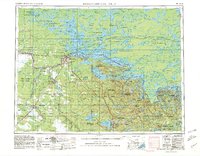 1954 International Falls1980 Print · USGSThe Minnesota-Ontario borderlands come alive in this mid-century survey of the Rainy River region and the interconnected waterways that now form Voyageurs National Park. Genealogists and local historians can trace the rail-and-timber era through settlements like Littlefork, the Nett Lake Indian Reservation, and the Canadian National rail lines.
 - 1957 Map of Roseau
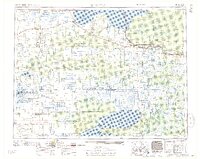 1957 Roseau1957 Print · USGSThe international border and tribal lands define Northern Minnesota in the mid-fifties, from the shores of Lake of the Woods to the Red Lake Indian Reservation. Researchers can trace the path of the Great Northern railroad and locate isolated outposts like the U S Custom House and Ponemah.
 - 1957 Map of Bemidji
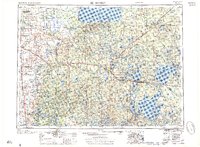 1957 Bemidji1957 Print · USGSNorthern Minnesota in the mid-fifties is defined by its massive lake systems and the sprawling timberlands of the Chippewa National Forest. Genealogists and researchers can trace old rail lines like the Great Northern RR and locate settlements such as Moberg, Naytahwaush, and Lake Itasca.
 - 1957 Map of Hibbing
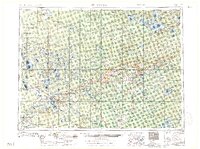 1957 Hibbing1957 Print · USGSNorthern Minnesota's Iron Range is shown at its industrial peak in the mid-fifties, dominated by the massive iron pits and rail corridors of the Mesabi Range. Researchers can trace the rail networks of the Duluth Missabe and Iron Range and locate mining hubs like Hibbing, Virginia, and Bovey.
 - 1957 Map of International Falls
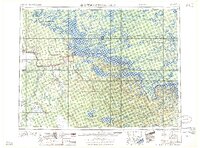 1957 International Falls1957 Print · USGSThe Minnesota-Ontario borderlands come alive in the mid-fifties, showing the industrial nodes of International Falls and Fort Frances. Genealogists and historians can trace rail-tied settlements like Aylsworth and Littlefork or locate ancestral lands within the Nett Lake Indian Reservation.
 - 1958 Map of Bemidji
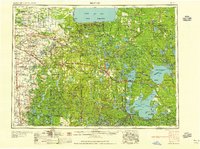 1958 Bemidji1958 Print · USGSNorthern Minnesota in the late fifties is a vast landscape of tribal lands and timber forests tied together by rail. Genealogists and researchers can trace old rail stops and lakeside communities from Walker to Fosston, or explore the source of the Mississippi at Lake Itasca.
 - 1958 Map of International Falls
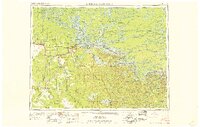 1958 International Falls1958 Print · USGSThe borderlands of northern Minnesota and Ontario are mapped here during the mid-fifties, centered on the river-and-rail hubs of the Northwoods. Researchers can trace the path of the Northern Pacific through Big Falls or locate early settlements like Ericsburg and Ranier.2 unique versions available
Showing maps 1-25 of 566
Top cities of Koochiching County
- International Falls historical maps
- Littlefork historical maps
- Big Falls historical maps
- Northome historical maps
- Ranier historical maps
- Mizpah historical maps
Frequently asked questions
- What are the different types of historical maps available for Koochiching County?
- What is the oldest map of Koochiching County?
- Where can I purchase historical maps of Koochiching County for my home or office?
- Where can I download high-res historical maps of Koochiching County?
- Are there historical topographic maps available for Koochiching County?
- Is there historical aerial imagery available for Koochiching County?
- Where are historical maps of Koochiching County sourced from?