Old Maps of Bassett Township, Minnesota for Genealogy
Trace your family roots with 87 historic maps of Bassett Township. These high-res maps reveal old neighborhoods, homesites, landmarks, and streets — helping you uncover where your ancestors lived and how the area evolved over time.
- Explore historic neighborhoods: Identify where your relatives may have lived in the 1800s or 1900s.
- Compare maps over time: Trace the changes in streets, buildings, and landmarks for multi-generational research.
- Perfect for genealogy & ancestry research: Used by family historians and researchers to map out lineage and migration.
These maps are an incredible resource for exploring your personal connection to Bassett Township's past.
Bassett Township, MN maps
(87)- 1949 Map of Allen, 1958 Print
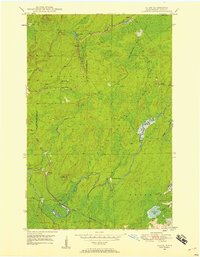 1949 Allen1958 Print · USGSThe Mesaba Range and the Iron Range railroad system are in full operation during this post-war era in northern Minnesota. Genealogists and historians can trace the early industrial footprint at Allen, Wyman, and remote outposts like Niemi Camp.
 - 1950 Map of Allen
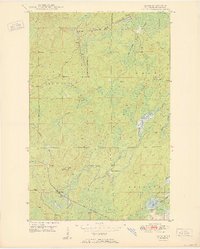 1950 Allen1950 Print · USGSThe Mesaba Range comes into focus during the mid-century as an active corridor of mining and rail transport. Genealogists and historians can trace the Duluth Missabe and Iron Range railroad through the forest to Allen and Niemi Camp.2 unique versions available
 - 1951 Map of Babbitt SW, 1952 Print
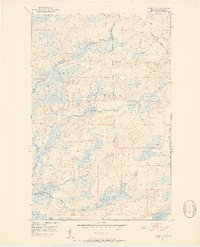 1951 Babbitt SW1952 Print · USGSIn the early 1950s, the St. Louis County landscape was being reshaped by the mining industry. Trace the nascent Reserve Mining Company RR as it was being built through the Superior National Forest and past the Partridge River.6 unique versions available
 - 1951 Map of Babbitt, 1953 Print
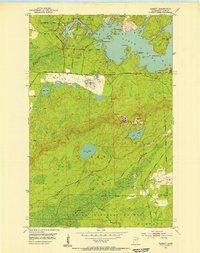 1951 Babbitt1953 Print · USGSThe Iron Range enters a period of massive industrial growth in the early 1950s as taconite mining transforms the landscape. Trace the origins of Babbitt while it was a Town Under Construction near the Reserve Mining Company and Argo Lake.2 unique versions available
 - 1952 Map of Babbitt SE, 1954 Print
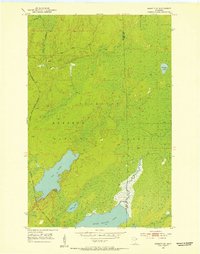 1952 Babbitt SE1954 Print · USGSThe Arrowhead Region of Minnesota is shown here just after the war as industrial infrastructure began to pierce the wilderness. You can trace the path of the Reserve Mining Company Railroad and locate the Boy Scout Camp near Seven Beaver Lake.5 unique versions available
 - 1952 Map of Babbitt NE, 1954 Print
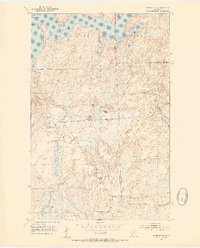 1952 Babbitt NE1954 Print · USGSThe northern Minnesota wilderness of the early fifties is defined by the expansive waters of Birch Lake and the surrounding national forests. Trace the remnants of former outposts like Tomahawk Camp and an Old Landing Field near the Dunka River.6 unique versions available
 - 1954 Map of Two Harbors, 1964 Print
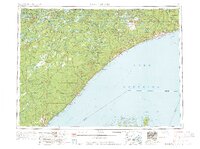 1954 Two Harbors1964 Print · USGSThe Minnesota North Shore and Superior National Forest are shown here in the mid-fifties, just as the taconite industry was reshaping the coast. Genealogists and historians can trace the rail lines of the Duluth Missabe and Iron Range or locate remote outposts like Sawbill Landing and Section Thirty.2 unique versions available
 - 1954 Map of Hibbing, 1966 Print
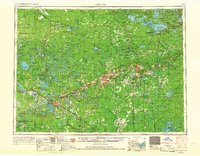 1954 Hibbing1966 Print · USGSNorthern Minnesota's Iron Range thrives during the mid-1960s, showing the industrial landscape between the Mesabi Range and the Mississippi River. Genealogists and historians can trace the rail lines of the Great Northern RR through mining hubs like Hibbing and Virginia.3 unique versions available
 - 1957 Map of Two Harbors
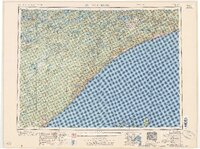 1957 Two Harbors1957 Print · USGSMinnesota's North Shore and the Arrowhead region are shown here in the mid-fifties as the taconite industry and cold war defense shaped the landscape. Researchers can trace the Duluth Missabe and Iron Range railroad, locate the Split Rock Light, and explore the iron-mining era at Taconite.
 - 1957 Map of Hibbing
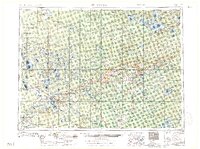 1957 Hibbing1957 Print · USGSNorthern Minnesota's Iron Range is shown at its industrial peak in the mid-fifties, dominated by the massive iron pits and rail corridors of the Mesabi Range. Researchers can trace the rail networks of the Duluth Missabe and Iron Range and locate mining hubs like Hibbing, Virginia, and Bovey.
 - 1957 Map of Brimson, 1958 Print
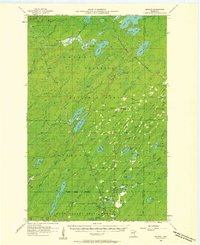 1957 Brimson1958 Print · USGSNortheast Minnesota’s iron range and timber country are captured here in the late fifties, showing a landscape defined by rail and water. Genealogists and historians can trace old community sites like Toimi, Brimson, and Fairbanks alongside the Skibo Mill and Old Railroad Grade.3 unique versions available
 - 1957 Map of Markham, 1958 Print
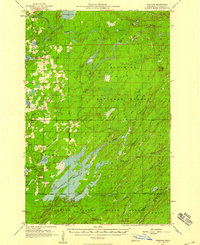 1957 Markham1958 Print · USGSSt. Louis County in the late fifties was a landscape of dense state forests and critical waterways supporting the regional Iron Range. Researchers can locate the settlement of Markham and trace the paths of the Duluth Missabe and Iron Range railroad and the sprawling Whiteface Reservoir.2 unique versions available
 - 1958 Map of Hibbing
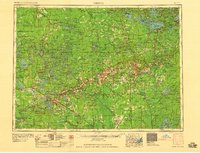 1958 Hibbing1958 Print · USGSThe Mesabi Iron Range reached its mid-century height during this era, defining the landscape between Grand Rapids and Virginia. Genealogists and historians can trace the mining-town networks of Hibbing and Chisholm or locate numerous iron mines and rail spurs.
 - 1958 Map of Two Harbors
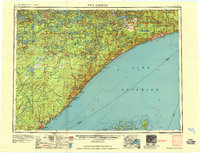 1958 Two Harbors1958 Print · USGSThe North Shore and Arrowhead region of Minnesota are captured in the 1950s as iron ore shipping and wilderness preservation shaped the land. Researchers can trace the Duluth Missabe and Iron Range RR, find maritime landmarks like Split Rock Light, and locate remote settlements from Babbitt to Grand Marais.
 - 1962 Map of Babbitt, 1963 Print
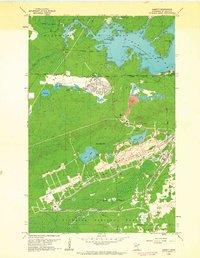 1962 Babbitt1963 Print · USGSBabbitt emerged as a hub for taconite mining in the early sixties, surrounded by the deep woods of the Iron Range. Genealogists and historians can trace the town's grid near High Sch or explore the massive Open Pit Mines and the Reserve Mining Company Railroad.3 unique versions available
 - 1962 Map of Allen, 1964 Print
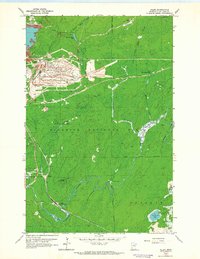 1962 Allen1964 Print · USGSThe Mesabi Range industrial landscape is on full display here in the early 1960s, where heavy iron mining meets the deep woods. Researchers can trace the massive Erie Mine No 2 Pit and the rail corridors of the Duluth Missabe and Iron Range near Allen (Allen Junc Sta).4 unique versions available
 - 1964 Map of Hibbing
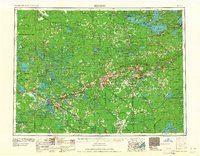 1964 Hibbing1964 Print · USGSNorthern Minnesota’s iron-rich corridor is captured here during a peak era of mid-century industrial activity. Researchers can trace the rail-to-mine connections through Mesabi Range towns like Hibbing and Virginia or locate lakefront settlements near Pokegama Lake.
 - 1964 Map of Two Harbors
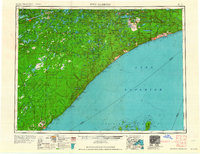 1964 Two Harbors1964 Print · USGSThe North Shore of Lake Superior is captured here during the mid-1950s, a time of significant industrial mining growth and emerging tourism. Genealogists and historians can trace the rail lines of the Duluth Missabe and Iron Range and locate landmarks like Split Rock Light and the U S Air Force Radar Station.
 - 1976 Map of Markham SE, 1979 Print
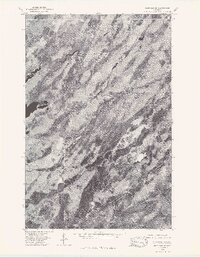 1976 Markham SE1979 Print · USGSThe northern forests of St. Louis County are captured in high detail during the mid-seventies in this aerial orthophoto. Trace the winding hydrology of the North Branch Whiteface River and South Branch Whiteface River.
 - 1976 Map of Brimson SW, 1979 Print
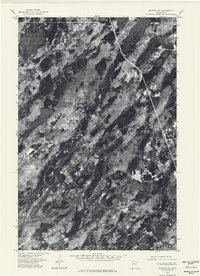 1976 Brimson SW1979 Print · USGSSt. Louis County is captured from above in the mid-1970s, revealing a landscape defined by forest and water. Researchers can trace the winding West Branch Cloquet River and the pristine shorelines of Wolf Lake.
 - 1976 Map of Markham NE, 1979 Print
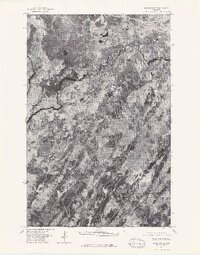 1976 Markham NE1979 Print · USGSNortheastern Minnesota's boreal landscape is captured in this mid-seventies aerial survey of St. Louis County. Researchers can trace the winding course of the St Louis River and examine the natural drainage patterns and forest cover of the era.
 - 1976 Map of Brimson NW, 1979 Print
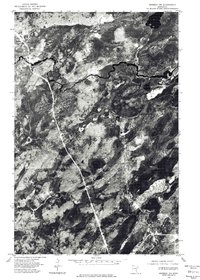 1976 Brimson NW1979 Print · USGSThe Iron Range backcountry of northeastern Minnesota is captured in mid-1976, showing the remote landscape of St. Louis County. Genealogists and researchers can trace the rail corridor near Skibo and the winding course of the St Louis River past Bassett Lake.
 - 1976 Map of Two Harbors, 1994 Print
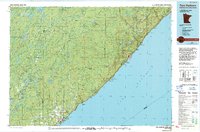 1976 Two Harbors1994 Print · USGSThe North Shore of Lake Superior comes alive in this mid-seventies survey of the Minnesota timber and iron country. Trace the Duluth Missabe and Iron Range RR from Two Harbors past Split Rock Lighthouse State Park to the industrial port at Silver Bay.
 - 1977 Map of Hibbing, 1994 Print
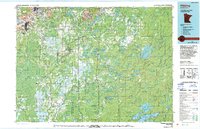 1977 Hibbing1994 Print · USGSThe Iron Range of northern Minnesota comes into sharp focus during the late seventies, detailing the massive mining works and rail networks of St. Louis County. Researchers can trace family roots in Hibbing, Chisholm, and Virginia, or locate old post offices like Leoneth and Iron.
 - 1981 Map of Skibo, 1982 Print
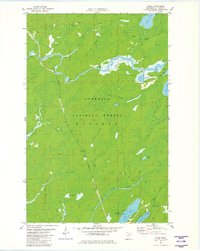 1981 Skibo1982 Print · USGSSkibo and the surrounding timberlands are documented here in the late seventies as the rail-and-river economy of the Iron Range persisted. Genealogists and historians can trace the Duluth Missabe and Iron Range tracks past Skibo Mill, Clappers, and Reno.2 unique versions available
Showing maps 1-25 of 87
Top cities near Bassett Township
Top neighborhoods of Bassett Township
Frequently asked questions
- What are the different types of historical maps available for Bassett Township?
- What is the oldest map of Bassett Township?
- Where can I purchase historical maps of Bassett Township for my home or office?
- Where can I download high-res historical maps of Bassett Township?
- Are there historical topographic maps available for Bassett Township?
- Is there historical aerial imagery available for Bassett Township?
- Where are historical maps of Bassett Township sourced from?