1980s Maps of Rio Arriba County, New Mexico
Explore 44 historic maps of Rio Arriba County from the 1980s. These maps offer a rare glimpse into what life looked like during the 1980s — showing old roads, neighborhoods, homes, and landmarks that have changed or disappeared over time.
Whether you're researching your family's past, planning a metal detecting trip, or studying how Rio Arriba County's landscape evolved across the 1980s, these high-resolution maps are a powerful tool for exploring the history of this region.
- Focus on a specific era: All maps on this page are from the 1980s, giving you a focused view of this time period.
- See what’s changed: Compare century-old streets, trails, and buildings to today's modern landscape using overlays and satellite layers.
- Research with precision: Use these maps for genealogy, historical research, land use analysis, or educational projects.
- View, download, or print: Maps are fully viewable online in high resolution, and can be downloaded or printed for your own records.
Start exploring Rio Arriba County's history through authentic maps from the 1980s. This is your window into the past.
Rio Arriba County, NM maps
(44)- 1980 Map of Navajo Reservoir, 1981 Print
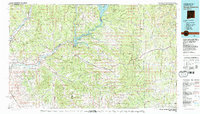 1980 Navajo Reservoir1981 Print · USGSThe high desert and river valleys of Rio Arriba and San Juan counties are captured here in the early eighties. Genealogists and local historians can trace the development of Aztec and Bloomfield or locate family sites along Gubernador Canyon and the Animas River.
 - 1981 Map of Chama, 1982 Print
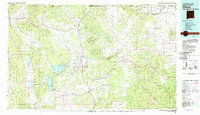 1981 Chama1982 Print · USGSNorthern New Mexico's high-country rail corridors and historic land grants are mapped here as they appeared in the early eighties. Genealogists and historians can trace traditional settlements like Los Ojos and Tierra Amarilla or follow the narrow-gauge Cumbres and Toltec Scenic Railroad.
 - 1982 Map of Wheeler Peak, 1983 Print
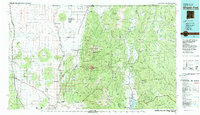 1982 Wheeler Peak1983 Print · USGSNorthern New Mexico in the early eighties shows a high-altitude landscape of historic mining camps and massive land grants. Researchers can trace the Old Railroad Grade near Elizabethtown or locate remote sites like the French-Henry Mine and Vermejo Park.
 - 1983 Map of East Gavilan Canyon
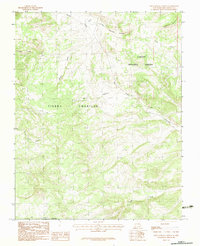 1983 East Gavilan Canyon1983 Print · USGSRio Arriba County in the early eighties was a landscape of high canyons and historic land grants. Genealogists and historians can trace the precise Tierra Amarilla Grant Bdy and the drainage of Rio Vallecitos and Jawbone Mountain.
 - 1983 Map of Pounds Mesa
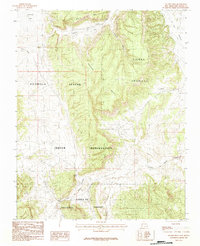 1983 Pounds Mesa1983 Print · USGSNorthern New Mexico's high desert and canyon lands are captured in the early 1980s at the meeting of tribal and federal territories. Trace the boundaries of the Jicarilla Apache Indian Reservation or locate landmarks like Stinking Lake and Pounds Mesa.
 - 1983 Map of Dulce
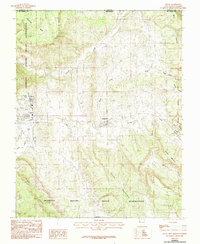 1983 Dulce1983 Print · USGSDulce and the Jicarilla Apache lands are documented here during the early eighties, showcasing a landscape shaped by tribal history and mountain terrain. Researchers can locate the Old RR Grade, the settlement of Lumberton, and landmarks like Dulce Airport.2 unique versions available
 - 1983 Map of Lagunitas Creek
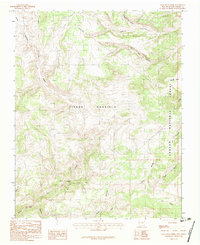 1983 Lagunitas Creek1983 Print · USGSRio Arriba County’s high country is documented here in the early eighties, where the Tierra Amarilla Grant Boundary meets the forest. Researchers can trace the complex watersheds of the Rio Brazos, Rio San Antonio, and Olguin Mesa.
 - 1983 Map of French Mesa
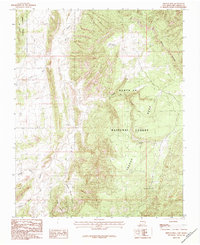 1983 French Mesa1983 Print · USGSRio Arriba County’s high mesa country is captured in the early eighties, showcasing the intersection of the national forest and traditional land use. Researchers can trace historic water sources like Leandro Spring and Ojo la Jara or follow the drainages of Rio Gallina.
 - 1983 Map of Laguna Gurule
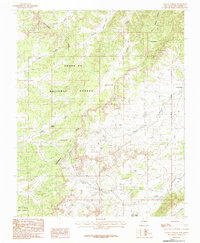 1983 Laguna Gurule1983 Print · USGSHigh desert plateaus and the Continental Divide define this Rio Arriba County landscape in the early eighties. Researchers can trace land boundaries near the Jicarilla Apache Indian Reservation or locate water sources like Laguna Gurule and Salazar Lake.
 - 1983 Map of Taos
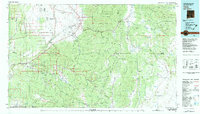 1983 Taos1983 Print · USGSNorthern New Mexico's high-country heritage is on full display in the early eighties, from the deep river canyons to the highest alpine peaks. Genealogists and historians can trace traditional land-grant settlements like Las Trampas, Truchas, and the historic Taos Pueblo.2 unique versions available
 - 1983 Map of Monero
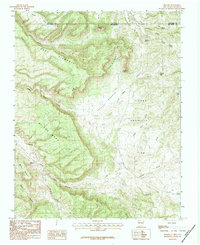 1983 Monero1983 Print · USGSThe high mesa country along the New Mexico-Colorado border is captured here in the early 1980s, shortly after the field checks of the late seventies. Researchers can trace the boundaries of the Tierra Amarilla Grant and locate landmarks like Crowley Reservoir, Mesa Diamante, and Monero Mountain.
 - 1983 Map of Brazos
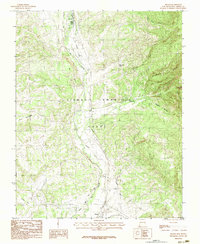 1983 Brazos1983 Print · USGSNorthern Rio Arriba County comes into focus in the early eighties as a landscape of historic land grants and river valley settlements. Genealogists and local historians can trace the irrigation systems like Barranco Ditch and find landmarks from Chama to Cañones.2 unique versions available
 - 1983 Map of Canjilon Mountain
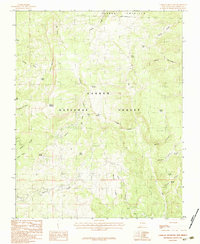 1983 Canjilon Mountain1983 Print · USGSUpper Rio Arriba County is shown here in the early eighties as a landscape of high-altitude forests and vital water sources. You can trace the Tierra Amarilla Grant Boundary and locate numerous historic water sites like Ojito Azul, Blue Lake, and Canovas Spring.2 unique versions available
 - 1983 Map of Horse Lake
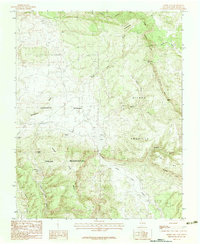 1983 Horse Lake1983 Print · USGSThe Jicarilla Apache Indian Reservation is mapped here in the early eighties, centered on the high-altitude waters of the Continental Divide. Researchers can trace land features like Horse Lake, the Tecolote Rim, and family-named landmarks such as Loma Pardo.
 - 1983 Map of Toltec Mesa
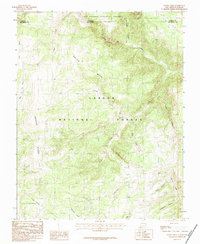 1983 Toltec Mesa1983 Print · USGSThe high timber and deep canyons of the New Mexico-Colorado borderlands are captured here in the late seventies. Trace the historic Tierra Amarilla Grant Boundary and the dramatic descent of the Rio de los Pinos through the Toltec Gorge.
 - 1983 Map of Tierra Amarilla
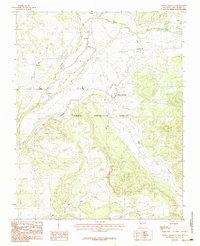 1983 Tierra Amarilla1983 Print · USGSUpper New Mexico high-valley life in the 1980s centers on the traditional river settlements and irrigation canals of the Tierra Amarilla Grant. Genealogists and historians can trace the homes and ditches of Los Ojos, La Puente, and Ensenada along the Rio Chama.2 unique versions available
 - 1983 Map of West Fork Rio Brazos
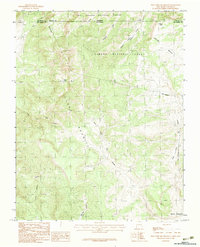 1983 West Fork Rio Brazos1983 Print · USGSThe high country of the New Mexico-Colorado border comes into focus in this early 1980s study of the Tierra Amarilla region. Trace the winding path of the Cumbres & Toltec Scenic RR past Osier Mesa and the headwaters of the West Fork Rio Brazos.2 unique versions available
 - 1983 Map of Los Indios Canyon
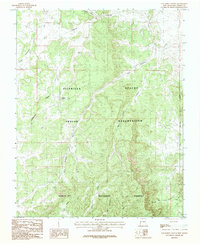 1983 Los Indios Canyon1983 Print · USGSThe high mesas of Rio Arriba County are captured here in the early 1980s, where the Jicarilla Apache Indian Reservation meets the national forest. Researchers can trace the path of the Continental Divide and follow the route of the Stock Driveway through Los Indios Canyon.
 - 1983 Map of Penasco Amarillo
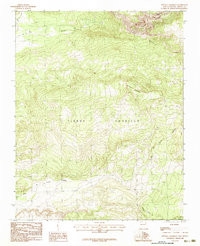 1983 Penasco Amarillo1983 Print · USGSRio Arriba County’s high-country terrain and complex land grant boundaries are documented here in the early eighties. Researchers can trace historic water routes like Park Ditch and View Ditch or locate a lonely Prospect near the Brazos Cliffs.
 - 1983 Map of Durango
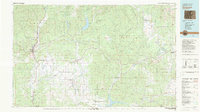 1983 Durango1983 Print · USGSSouthwestern Colorado at the start of the 1980s shows a landscape where high-mountain wilderness meets the agricultural plateaus of the Southern Ute. Genealogists and historians can trace the Durango & Silverton Narrow Gauge Railroad or locate sites like Southern Ute Agency and Pagosa Junction.
 - 1983 Map of El Vado
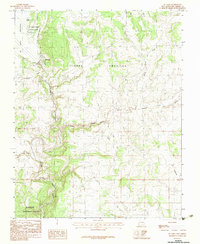 1983 El Vado1983 Print · USGSRio Arriba County in the early 1980s reveals a landscape defined by the Rio Chama and the massive El Vado Lake reservoir. Local historians can trace the bounds of the Tierra Amarilla Grant and locate the small settlement of El Vado.
 - 1983 Map of Sawmill Mesa
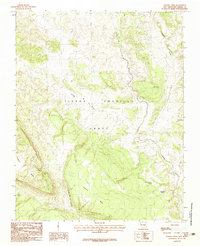 1983 Sawmill Mesa1983 Print · USGSRio Arriba County’s high mesa country is documented here in the early eighties, centered on the historic Tierra Amarilla Grant. Researchers can trace old water rights and livestock routes through Cebadilla Spring, Sawmill Mesa, and the Casa Escobedida settlement area.
 - 1983 Map of Heron Reservoir
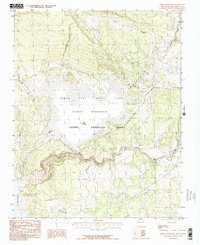 1983 Heron Reservoir1983 Print · USGSRio Arriba County in the early eighties was defined by the deep waters and high plateaus of the Tierra Amarilla Grant. Researchers can trace the complex shoreline of Heron Reservoir and locate landmarks like the Tierra Amarilla Airport and Big Island.2 unique versions available
 - 1983 Map of Cebolla
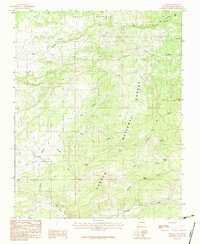 1983 Cebolla1983 Print · USGSNorthern New Mexico's high-country terrain is captured in the early eighties, showcasing the intersection of federal lands and historical land grants. Genealogists and researchers can trace local water sources like Dulce Spring and the settlement of Cebolla along the Rio Nutrias.
 - 1983 Map of Las Nutrias
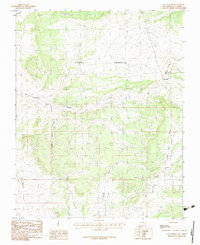 1983 Las Nutrias1983 Print · USGSThe Tierra Amarilla Grant lands of northern New Mexico are shown here during the early eighties, highlighting traditional Spanish land grant boundaries. Genealogists and historians can trace family-named watercourses like Cañada del Policarpo and Cañada Sanchez near the settlement of Las Nutrias.
Showing maps 1-25 of 44
Top cities of Rio Arriba County
Frequently asked questions
- What are the different types of historical maps available for Rio Arriba County?
- What is the oldest map of Rio Arriba County?
- Where can I purchase historical maps of Rio Arriba County for my home or office?
- Where can I download high-res historical maps of Rio Arriba County?
- Are there historical topographic maps available for Rio Arriba County?
- Is there historical aerial imagery available for Rio Arriba County?
- Where are historical maps of Rio Arriba County sourced from?