2020s Maps of Rio Arriba County, New Mexico
Explore 243 historic maps of Rio Arriba County from the 2020s. These maps offer a rare glimpse into what life looked like during the 2020s — showing old roads, neighborhoods, homes, and landmarks that have changed or disappeared over time.
Whether you're researching your family's past, planning a metal detecting trip, or studying how Rio Arriba County's landscape evolved across the 2020s, these high-resolution maps are a powerful tool for exploring the history of this region.
- Focus on a specific era: All maps on this page are from the 2020s, giving you a focused view of this time period.
- See what’s changed: Compare century-old streets, trails, and buildings to today's modern landscape using overlays and satellite layers.
- Research with precision: Use these maps for genealogy, historical research, land use analysis, or educational projects.
- View, download, or print: Maps are fully viewable online in high resolution, and can be downloaded or printed for your own records.
Start exploring Rio Arriba County's history through authentic maps from the 2020s. This is your window into the past.
Rio Arriba County, NM maps
(243)- 2020 Map of Trampas, 2020 Print
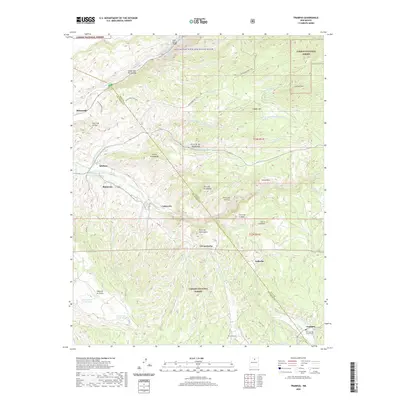 2020 Trampas2020 Print · USGSThe high valleys of Taos County come to life in this modern survey of the Sangre de Cristo foothills. Genealogists and historians can trace traditional mountain settlements from Trampas to Vallecito, and locate local landmarks like San Jose de Gracia Cem and the El Llano Ditch.
 - 2020 Map of Truchas, 2020 Print
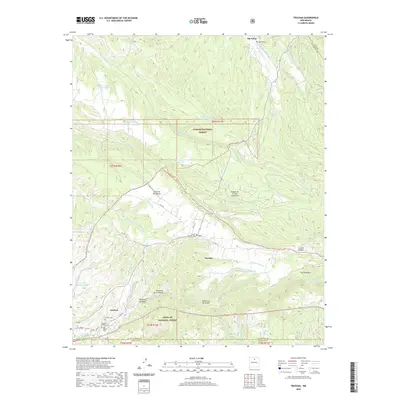 2020 Truchas2020 Print · USGSTraditional mountain villages like Truchas and Cordova are captured here in a high-elevation landscape where the national forests meet. Genealogists can locate several local burial grounds, such as Martinez Cem, Truchas Pueblo Cem, and San Miguel Cem.
 - 2020 Map of Velarde, 2020 Print
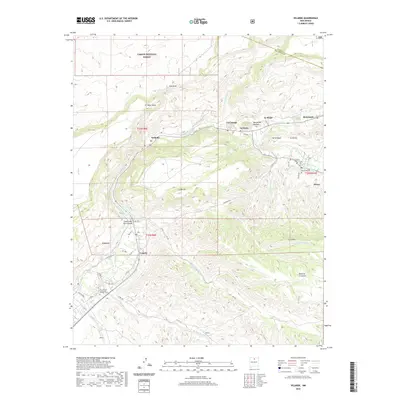 2020 Velarde2020 Print · USGSThe Rio Grande valley in Rio Arriba County shows its deep-rooted agricultural and spiritual landscape in this recent survey. Genealogists and historians can locate Our Lady of Guadalupe Catholic Cem, the Dixon Cem, and the historic El Santuario.
 - 2020 Map of Petaca Peak, 2020 Print
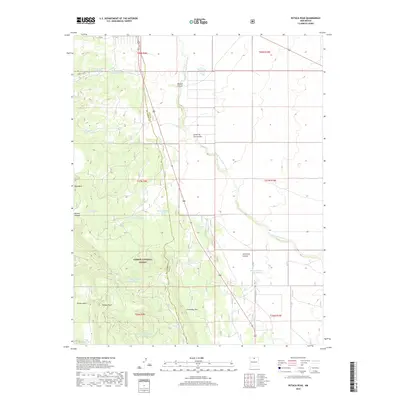 2020 Petaca Peak2020 Print · USGSThe High Desert borderlands between Rio Arriba and Taos counties appear here in the early twenty-first century. Researchers can trace the rugged drainage systems of Servilleta Canyon and locate family-named water sources like Ambrose Tank and Tio Gordito Tank.
 - 2020 Map of Servilleta Plaza, 2020 Print
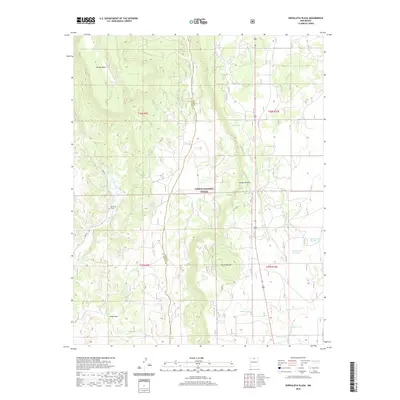 2020 Servilleta Plaza2020 Print · USGSRio Arriba County in the early twenty-first century remains a landscape of isolated settlements and high mesas within the Carson National Forest. Researchers can trace the local water and road networks around Servilleta Plaza, Rio Tusas, and the prominent Cerro Mojino.
 - 2020 Map of El Valle, 2020 Print
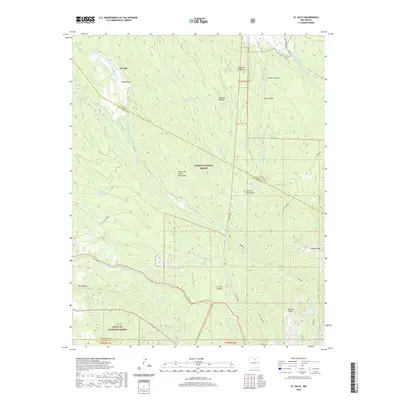 2020 El Valle2020 Print · USGSThe high valleys of northern New Mexico are shown here in the 2020s, where traditional acequia systems still sustain the land. Trace the historic irrigation of El Valle along the Rio de las Trampas and the high trails leading to Jicarilla Peak.
 - 2020 Map of Chimayo, 2020 Print
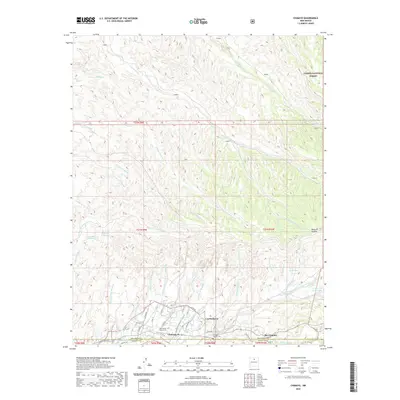 2020 Chimayo2020 Print · USGSTraditional northern New Mexico settlements along the Santa Cruz River valley are captured here in the early twenty-first century. Genealogists and historians can trace local family landmarks like Holy Family Church Cem, Los Pachecos, and the Quarteles Ditch.
 - 2020 Map of Taos Junction, 2020 Print
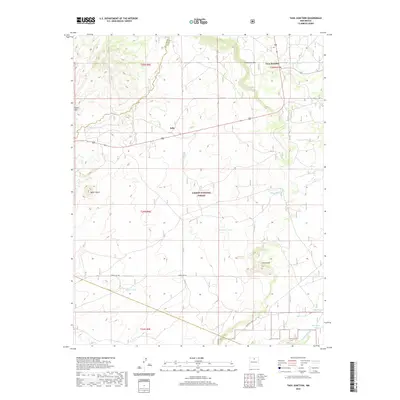 2020 Taos Junction2020 Print · USGSHigh-desert mesas and cattle tanks define the New Mexico landscape around Taos Junction and the Carson National Forest in this modern survey. Genealogists and historians can trace land use patterns near Solo and the Comanche Rim.
 - 2020 Map of Laguna Gurule, 2020 Print
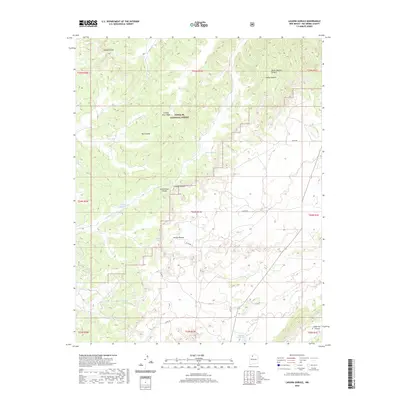 2020 Laguna Gurule2020 Print · USGSRio Arriba County’s high country is captured here in the modern era, where the Continental Divide traverses the Santa Fe National Forest. Trace local water sources and ranching history through landmarks like Laguna Gurule, Horse Heaven, and Oso Tank.
 - 2020 Map of San Antonio Mountain, 2020 Print
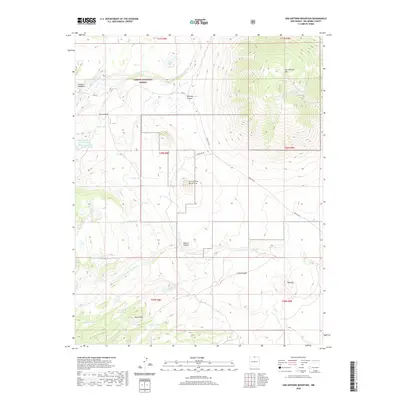 2020 San Antonio Mountain2020 Print · USGSRio Arriba County’s high volcanic plateaus are documented here in the early twenty-first century, centered on the massive San Antonio Mtn. Researchers can trace the essential water sources of the high country, from Ursulo Lake to the meadows of Stewart Meadows.
 - 2020 Map of Chromo Mountain, 2020 Print
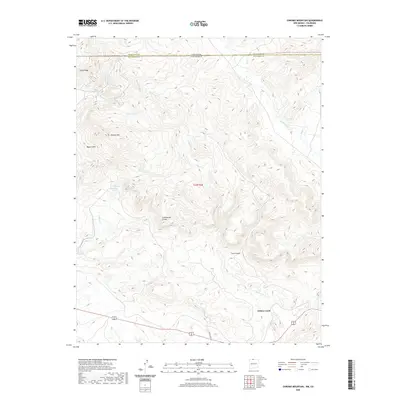 2020 Chromo Mountain2020 Print · USGSThe Colorado and New Mexico borderlands come into focus in this contemporary survey of the high mountain divide. Researchers can trace the path of the Azotea Tunnel and the headwaters of the Rio Chamita near the settlement of Willow Creek.
 - 2020 Map of Arroyo Del Agua, 2020 Print
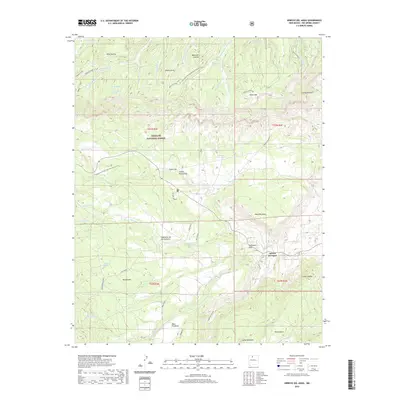 2020 Arroyo Del Agua2020 Print · USGSArroyo del Agua and the surrounding mesas of Rio Arriba County are shown here in the contemporary era. Researchers can trace the path of the Continental Divide National Scenic Trail through the Santa Fe National Forest and locate rural landmarks like Cañoncito de los Cordovas.
 - 2020 Map of San Pablo, 2020 Print
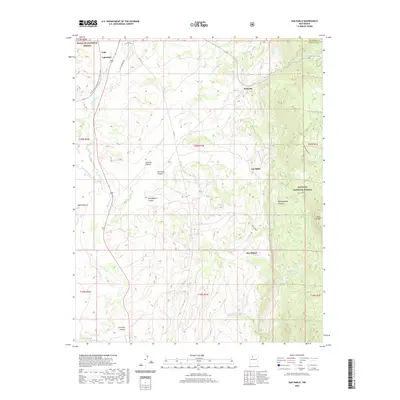 2020 San Pablo2020 Print · USGSSandoval County's high-desert canyons and national forest boundaries are documented here in the early twenty-first century. Researchers can trace the path of the Continental Divide National Scenic Trail near established settlements like Cuba and San Pablo.
 - 2020 Map of El Rito, 2020 Print
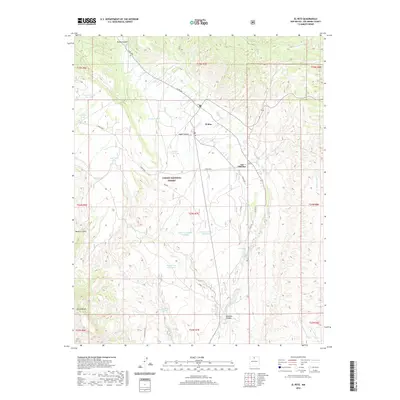 2020 El Rito2020 Print · USGSEl Rito and the surrounding high desert are captured here in the early twenty-first century as part of the Rio Arriba County landscape. Researchers can trace the water-dependent settlement patterns near Las Placitas or locate remote springs and tanks like CCC Spring and Alemanes Tank.
 - 2020 Map of Puye, 2020 Print
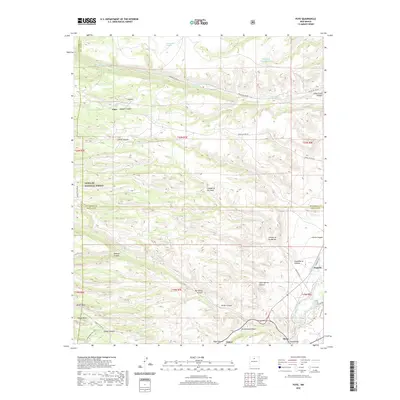 2020 Puye2020 Print · USGSThe Pajarito Plateau and its deep-cut canyons are mapped here in the modern era, showing the intersection of forest lands and tribal territories. Trace the geography of the mesas through landmarks like the Otowi Bridge, Puye, and Totavi.
 - 2020 Map of Valle San Antonio, 2020 Print
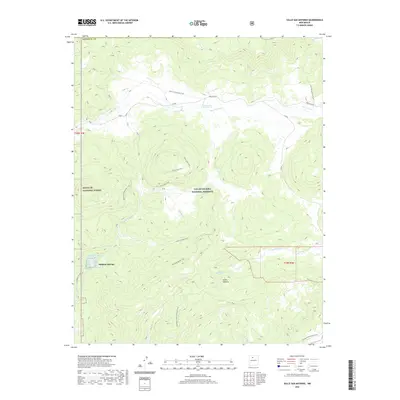 2020 Valle San Antonio2020 Print · USGSThe thermal waters of Sandoval County are documented here in the early twenty-first century, centered on the unique settlement of Sulphur Springs. Researchers can locate historic bathing sites like the Mens Bath House and mineral features such as Lemonade Spring and Electric Spring.
 - 2020 Map of Vallecitos, 2020 Print
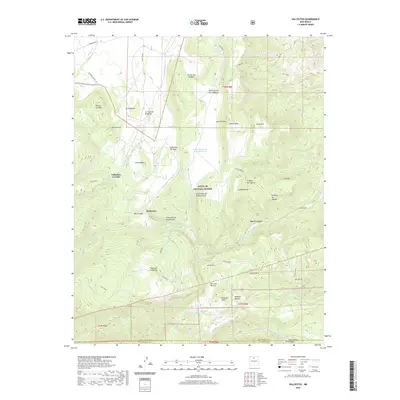 2020 Vallecitos2020 Print · USGSUpper Rio Arriba County as it appeared recently reveals a landscape of high mesas and traditional Northern New Mexico settlements. Genealogists and researchers can trace the placement of Vallecitos Corrales, La Joya Tio Gregorio, and Los Cerritos among the canyons of the Santa Fe National Forest.
 - 2020 Map of Seven Springs, 2020 Print
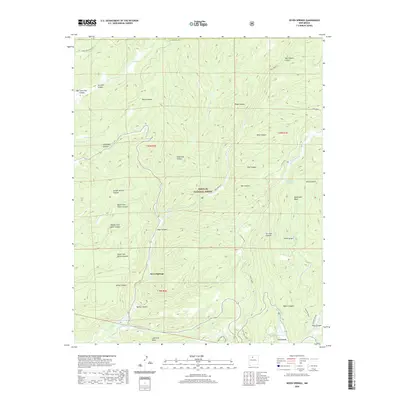 2020 Seven Springs2020 Print · USGSSandoval County's high canyon country is documented here in the early twenty-first century, showing the forested drainages above Fenton Lake. Researchers can locate high-country landmarks like San Antonio Hot Spring, the Seven Springs community, and Ice Cave Canyon.
 - 2020 Map of Los Indios Canyon, 2020 Print
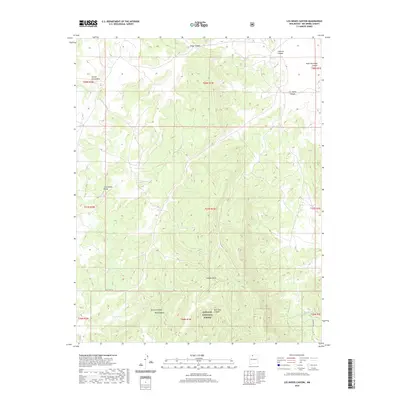 2020 Los Indios Canyon2020 Print · USGSNorthern Rio Arriba County is documented here in the modern era, showing the intersection of public lands and the high desert divide. Trace the path of the Continental Divide as it winds past Timber Lake, Tapia Tank, and the deep reaches of Los Indios Canyon.
 - 2020 Map of Cordova Canyon, 2020 Print
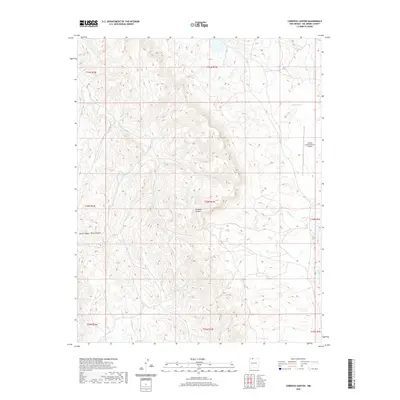 2020 Cordova Canyon2020 Print · USGSIn the modern era of the Jicarilla Apache Nation, this New Mexico landscape is shaped by the deep cuts of Cordova Canyon and remote tribal roads. Researchers can trace the drainage of Boulder Cr or locate specific landmarks like the Jicarilla Apache Nation Airport and Muniz Pond.
 - 2020 Map of Canjilon, 2020 Print
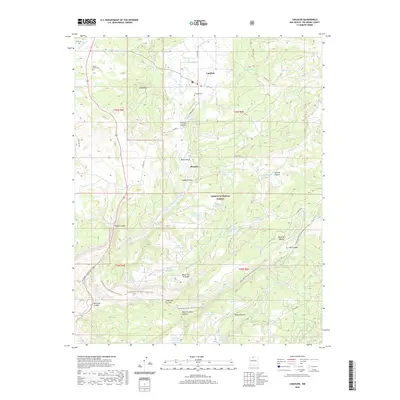 2020 Canjilon2020 Print · USGSCanjilon and the high canyons of Rio Arriba County are captured here in the modern era as they appear within the Carson National Forest. Genealogists and hikers can trace the Continental Divide National Scenic Trail as it passes near Canjilon Cem and the settlement of Placitas.
 - 2020 Map of Pounds Mesa, 2020 Print
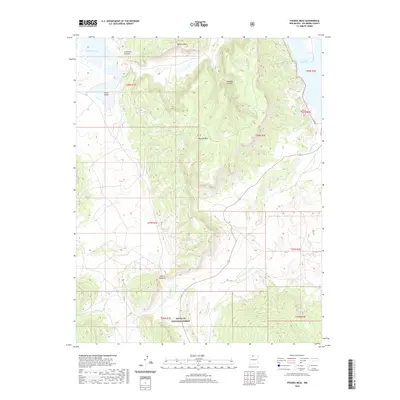 2020 Pounds Mesa2020 Print · USGSRio Arriba County’s high mesa country is meticulously detailed in this recent look at the high-desert landscape. Researchers can trace the drainages of Arroyo del Puerto Chiquito and locate landmarks like Apache Mesa or the waters of Stinking Lake.
 - 2020 Map of Cerro del Grant, 2020 Print
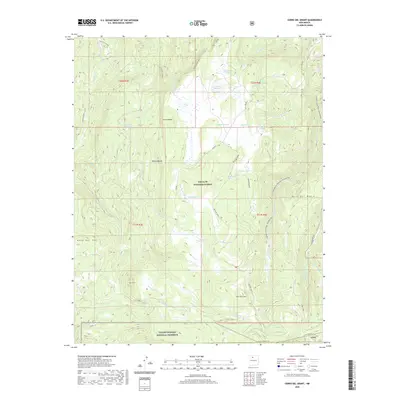 2020 Cerro del Grant2020 Print · USGSHigh-altitude mesas and volcanic peaks dominate this Rio Arriba County landscape during the early twenty-first century. Researchers can trace the intersection of the Valles Caldera National Preserve with water features like Laguna Madrid and Rio Cebolla.
 - 2020 Map of West Fork Rio Brazos, 2020 Print
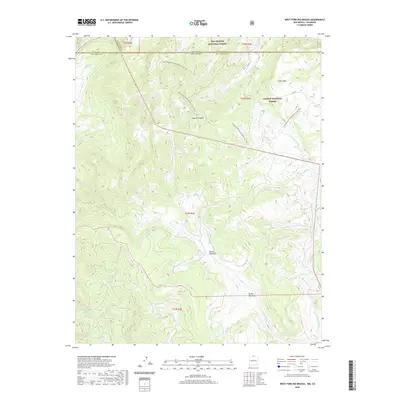 2020 West Fork Rio Brazos2020 Print · USGSHigh-country headwaters and forest boundaries define this Rio Arriba County landscape during the early twenty-first century. Hikers and cartographic researchers can trace the Continental Divide National Scenic Trail as it winds past Brazos Meadows and Apache Canyon.
 - 2020 Map of Rancho del Chaparral, 2020 Print
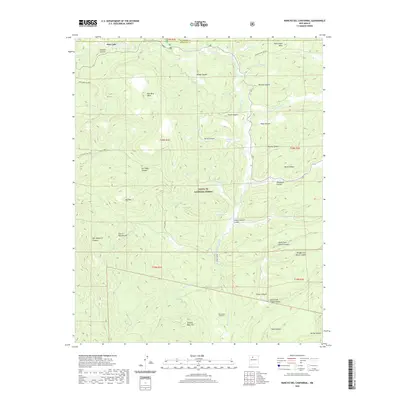 2020 Rancho del Chaparral2020 Print · USGSHigh in the Sandoval County mountains in the 2020s, this survey reveals a landscape of rugged canyons and historic ranching grounds. Researchers can trace the drainage of the Rio de las Vacas and find landmarks like Rancho del Chaparral and Smokey Bear Hill.
Showing maps 1-25 of 243
Top cities of Rio Arriba County
Frequently asked questions
- What are the different types of historical maps available for Rio Arriba County?
- What is the oldest map of Rio Arriba County?
- Where can I purchase historical maps of Rio Arriba County for my home or office?
- Where can I download high-res historical maps of Rio Arriba County?
- Are there historical topographic maps available for Rio Arriba County?
- Is there historical aerial imagery available for Rio Arriba County?
- Where are historical maps of Rio Arriba County sourced from?