1990s Maps of Rio Arriba County, New Mexico
Explore 50 historic maps of Rio Arriba County from the 1990s. These maps offer a rare glimpse into what life looked like during the 1990s — showing old roads, neighborhoods, homes, and landmarks that have changed or disappeared over time.
Whether you're researching your family's past, planning a metal detecting trip, or studying how Rio Arriba County's landscape evolved across the 1990s, these high-resolution maps are a powerful tool for exploring the history of this region.
- Focus on a specific era: All maps on this page are from the 1990s, giving you a focused view of this time period.
- See what’s changed: Compare century-old streets, trails, and buildings to today's modern landscape using overlays and satellite layers.
- Research with precision: Use these maps for genealogy, historical research, land use analysis, or educational projects.
- View, download, or print: Maps are fully viewable online in high resolution, and can be downloaded or printed for your own records.
Start exploring Rio Arriba County's history through authentic maps from the 1990s. This is your window into the past.
Rio Arriba County, NM maps
(50)- 1994 Map of Chimayo, 1998 Print
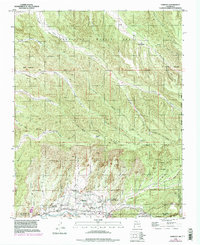 1994 Chimayo1998 Print · USGSThe northern New Mexico valley and its ancestral land grants are captured here during the mid-nineties. You can trace early settlement patterns and irrigation history through features like the Santa Cruz Ditch, the Capilla de Santa Rita, and several Pueblo Ruins.
 - 1995 Map of Lagunitas Creek, 1997 Print
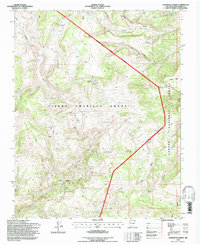 1995 Lagunitas Creek1997 Print · USGSRio Arriba County’s high ranching country comes into focus in the mid-1990s, where seasonal cow camps and land grant boundaries define the landscape. Trace the tracks between Stewart Cow Camp, Olguin Mesa, and the Tierra Amarilla Grant.
 - 1995 Map of Canjilon SE, 1997 Print
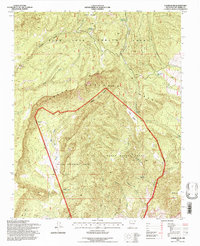 1995 Canjilon SE1997 Print · USGSRio Arriba County in the mid-nineties shows a landscape defined by historic land grants and national forest lands. Local history researchers can trace old mining sites like Las Minas de Pedro and named water sources like Ojito del Comanche.
 - 1995 Map of El Valle, 1997 Print
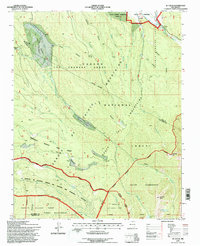 1995 El Valle1997 Print · USGSNorthern New Mexico's traditional mountain villages and communal land grants are preserved here in the late twentieth century. Genealogists can trace family holdings like Tafoya Ranch or the historical village of El Valle alongside the high ridges of Jicarilla Peak.
 - 1995 Map of Leandro Canyon, 1997 Print
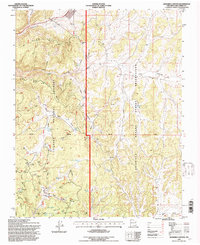 1995 Leandro Canyon1997 Print · USGSRio Arriba County’s high mesas and deep canyons are documented here in the mid-1990s, showing the intersection of tribal and national forest lands. Local history researchers can trace water sources like Gettem Spring and industrial markers such as the Amoco Compressor.
 - 1995 Map of Canjilon, 1997 Print
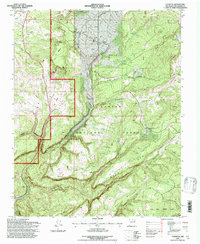 1995 Canjilon1997 Print · USGSUpper Rio Arriba County comes into focus in the mid-nineties, showing the traditional settlements and ranching lands within the Carson National Forest. Researchers can locate family sites near Canjilon Cemetery or trace the historical Juan Jose Lobato Grant Boundary.
 - 1995 Map of Vigas Canyon, 1997 Print
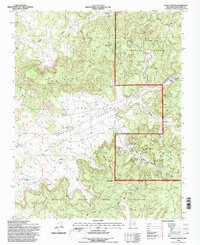 1995 Vigas Canyon1997 Print · USGSThe high mesa country of Rio Arriba County appears in the mid-1990s as a landscape of energy extraction and tribal lands. Researchers can trace the intersection of the Jicarilla Apache Indian Reservation and the Carson National Forest, locating remote points like Companero and Candelaria Waterhole.
 - 1995 Map of La Madera, 1997 Print
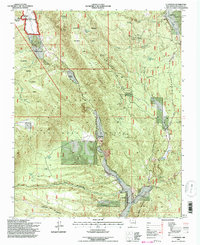 1995 La Madera1997 Print · USGSNorthern New Mexico's canyon country comes into focus in the mid-nineties, showing the intersection of national forest management and traditional ranching. Local historians can locate Rancho de Trujillo, the Ancones settlement, and dozens of named prospects like the Little Julia Mine.
 - 1995 Map of Truchas Peak, 1997 Print
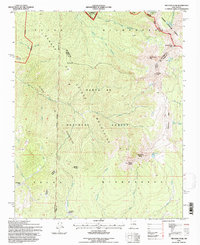 1995 Truchas Peak1997 Print · USGSThe high peaks of the Sangre de Cristo Mountains are captured here in the mid-1990s, where three national forests and several county lines converge. Hikers and historians can trace the high-altitude Trailriders Wall, locate Pecos Falls, or find the secluded Jose Vigil Lake.
 - 1995 Map of Valle Grande Peak, 1997 Print
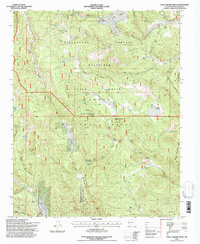 1995 Valle Grande Peak1997 Print · USGSIn the mid-1990s, the high country of Rio Arriba County remained a landscape of timber management and legacy land grants. Trace historic ranching and forestry footprints from La Jarita Ranches to the Juan Jose Lobato Grant and Valle Grande Peak.
 - 1995 Map of Navajo Peak, 1997 Print
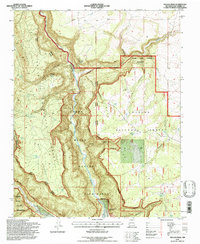 1995 Navajo Peak1997 Print · USGSRio Arriba County’s high canyon country is documented here during the mid-nineties, showing the confluence of the Rio Chama and Gallina River. Researchers can locate isolated landmarks like the Christ of the Desert Monastery and Navajo Peak among the remote ranching tanks.
 - 1995 Map of Espinosa Ranch, 1997 Print
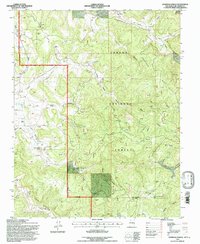 1995 Espinosa Ranch1997 Print · USGSThe high mesas of Rio Arriba County are captured here in the late twentieth century, showing a landscape defined by ranching and energy. Researchers can trace the industrial footprint of Gas Wells near landmarks like Espinosa Ranch and Mesteñas Peak.
 - 1995 Map of Bixler Ranch, 1997 Print
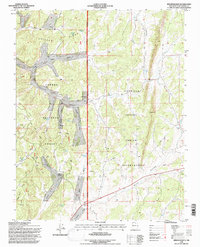 1995 Bixler Ranch1997 Print · USGSThe high desert of Rio Arriba County in the mid-nineties shows the interface of the Carson National Forest and tribal lands. Genealogists and historians can trace ranching outposts like Bixler Ranch and Ulibarri or the remote Vaqueros Cabin.
 - 1995 Map of Alire, 1997 Print
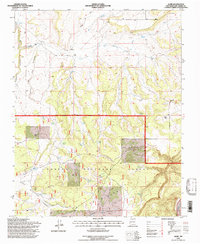 1995 Alire1997 Print · USGSRio Arriba County’s high mesas and ranching outposts are captured in the mid-nineties before modern developments altered the rural landscape. Researchers can trace family-named sites like Hines Ranch and Alire or locate historical water sources such as Iron Spring and English Tanks.
 - 1995 Map of San Antonio Mountain, 1997 Print
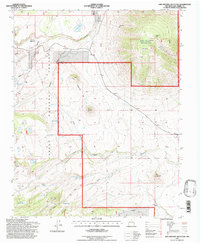 1995 San Antonio Mountain1997 Print · USGSNorthern New Mexico's high timberland and ranching valleys are documented here during the mid-nineties as the Forest Service managed the land for grazing and wildlife. Genealogists and historians can locate family-named sites such as Cisneros Park, Lamy Peak, and the T-Bone Ranch.
 - 1995 Map of Gobernador, 1997 Print
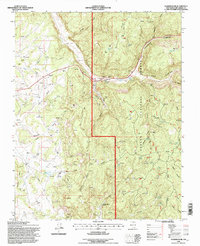 1995 Gobernador1997 Print · USGSRio Arriba County’s high mesas and canyons are captured here in the mid-1990s as energy development integrated with traditional ranching. Local historians can trace the Gobernador settlement and isolated desert water sources like Bubbling Spring and Trujillo Reservoir.
 - 1995 Map of Las Tablas, 1997 Print
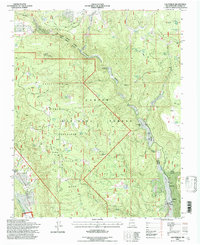 1995 Las Tablas1997 Print · USGSRio Arriba County’s high timber and grazing lands are captured here during the mid-nineties, showing the complex topography of the Carson National Forest. Researchers can locate old mining claims like the Lonesome Mine, forest lookouts at Kiowa Mountain, and the small settlements of Las Tablas and Petaca.
 - 1995 Map of Jicarita Peak, 1997 Print
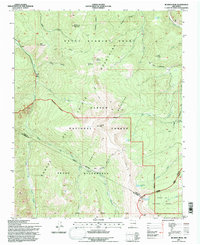 1995 Jicarita Peak1997 Print · USGSThe high Sangre de Cristo Mountains of the mid-1990s are mapped here as they straddle three New Mexico counties. Trace high-altitude landmarks and alpine water sources including Jicarita Peak, Serpent Lake, and the historic trails of the Santa Barbara Grant.
 - 1995 Map of Pecos Falls, 1997 Print
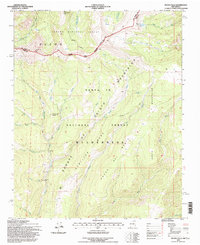 1995 Pecos Falls1997 Print · USGSThe high alpine wilderness of the Sangre de Cristo Mountains comes into focus in the mid-nineties. Trace historic routes like Camino Real Rd, find the remote Pecos Falls, or locate peaks such as Chimayosos Peak and Little Jicarita Peak.
 - 1995 Map of Cebolla, 1997 Print
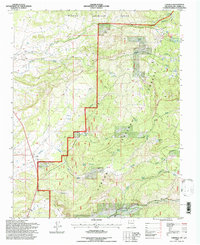 1995 Cebolla1997 Print · USGSHigh-altitude ranching and the timbered slopes of Rio Arriba County are captured in the mid-nineties. Genealogists and local historians can trace the settlement at Cebolla, explore the boundaries of the Tierra Amarilla Grant, and locate landmarks like Cebolla Corral.
 - 1995 Map of Pine Lake, 1997 Print
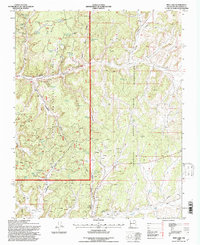 1995 Pine Lake1997 Print · USGSRio Arriba County’s high mesa country is captured here during the mid-1990s, where tribal lands and national forest meet. Researchers can trace the development of energy infrastructure among traditional landmarks like Pine Lake, Coyote Springs, and Chosa Mesa.
 - 1995 Map of El Rito, 1997 Print
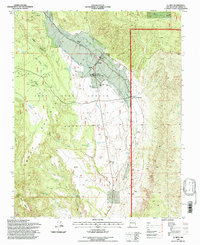 1995 El Rito1997 Print · USGSEl Rito in the mid-1990s shows a community deeply tied to its historical irrigation and land grant roots. Local historians can trace the paths of the Acequia Madre, locate the Northern New Mexico Community College campus, and find remote sites like Almagritos Spring.
 - 1995 Map of Bancos Mesa, 1997 Print
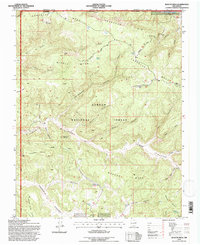 1995 Bancos Mesa1997 Print · USGSThe high mesa country of the New Mexico-Colorado border is captured here during a period of expanding energy development in the mid-nineties. Researchers can locate remote industrial sites including Gas Wells and a pipeline alongside traditional landmarks like Velásquez Spring and Cedar Rock Lookout.
 - 1995 Map of Truchas, 1997 Print
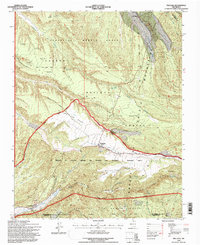 1995 Truchas1997 Print · USGSHigh in the Sangre de Cristo Mountains during the mid-nineties, these traditional Hispanic villages remain centered around centuries-old land grant boundaries. Genealogists and historians can trace family locations in Truchas and Cordova or find the Trampas Cemetery near the county line.
 - 1995 Map of Burned Mountain, 1997 Print
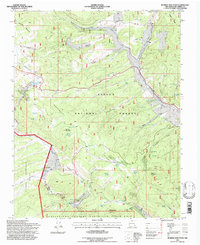 1995 Burned Mountain1997 Print · USGSRio Arriba County’s high country is captured here during the 1990s, detailing a landscape of remote ranching and forest management. Researchers can locate family landmarks like Bone Ranch, historic mines near Hopewell Lake, and peaks like Tusas Mountain.
Showing maps 1-25 of 50
Top cities of Rio Arriba County
Frequently asked questions
- What are the different types of historical maps available for Rio Arriba County?
- What is the oldest map of Rio Arriba County?
- Where can I purchase historical maps of Rio Arriba County for my home or office?
- Where can I download high-res historical maps of Rio Arriba County?
- Are there historical topographic maps available for Rio Arriba County?
- Is there historical aerial imagery available for Rio Arriba County?
- Where are historical maps of Rio Arriba County sourced from?