Old Maps of Ohio, New York for Academic Research
Study the evolution of Ohio with 93 high-resolution historic maps. Whether you're teaching, researching, or modeling changes in land use, these maps provide essential visual documentation of urban, environmental, and geographic change.
- Analyze long-term change: Track patterns in development, transportation, and natural features.
- Ideal for environmental or urban studies: Support academic projects with primary historical map data.
- Use in the classroom or lab: Educators and researchers rely on these maps to bring historical context to life.
These maps are a powerful tool for teaching, research, and visualizing how Ohio has changed over the decades.
Ohio, NY maps
(93)- 1897 Map of Remsen, 1958 Print
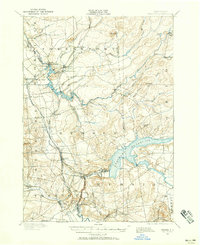 1897 Remsen1958 Print · USGSOneida and Herkimer Counties are shown in the late 19th century as bustling timber and transit hubs before the modernization of the canal system. Local historians can trace the vital rail junctions at Remsen and the water-powered industrial sites like Bardwell Mill and Trenton Falls.
 - 1900 Map of Little Falls
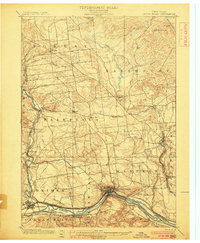 1900 Little Falls1900 Print · USGSThe Mohawk River valley serves as a bustling industrial artery at the turn of the century, dominated by canal and rail traffic. Genealogists can trace the early footprints of Little Falls, find the County House, or locate vanished stops like Ingham Mills Sta.
 - 1900 Map of Remsen
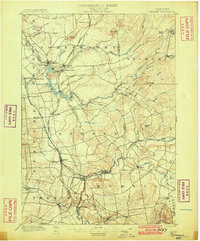 1900 Remsen1900 Print · USGSOneida and Herkimer Counties at the turn of the century show a landscape shaped by the rail-and-canal economy. Genealogists can trace family roots through settlements like Remsen, Hinckley, and Trenton Falls or locate industrial sites such as Bardwell Mill.9 unique versions available
 - 1900 Map of Wilmurt
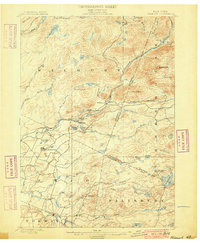 1900 Wilmurt1900 Print · USGSThe Adirondack foothills of Herkimer and Hamilton counties appear here at the turn of the century, showing a landscape of isolated hamlets and timber-rich woods. Genealogists can trace family roots in Wilmurt, Nobleboro, and Morehouseville or locate landmarks like Twin Lakes Reservoir and Hinckley Lake.
 - 1901 Map of Old Forge
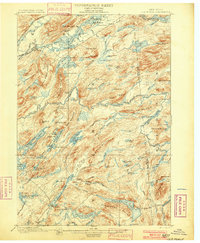 1901 Old Forge1901 Print · USGSIn the Adirondack wilderness at the turn of the century, this area shows a unique network of early camps and water routes. Researchers can trace the Steamboat Route through the Chain Lakes or locate historic outposts like Bishy Lodge and Atwell.10 unique versions available
 - 1902 Map of Wilmurt
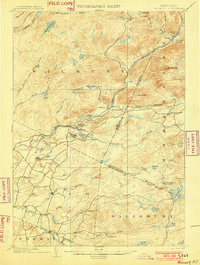 1902 Wilmurt1902 Print · USGSThe Adirondack foothills are captured here in the late nineteenth century, showing a landscape defined by logging-era headwaters and remote hamlets. Genealogists and researchers can trace early roads and river landings through Wilmurt, Nobleboro, and Morehouseville.8 unique versions available
 - 1903 Map of Little Falls
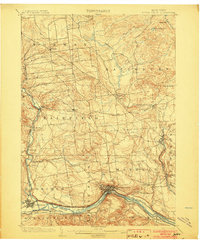 1903 Little Falls1903 Print · USGSThe Mohawk Valley was a bustling corridor of industry and transit at the turn of the century, where the river met a network of canals and railroads. Genealogists and historians can trace the foundations of Little Falls, find the historic site of Fort Herkimer, and locate rural landmarks like the County House.6 unique versions available
 - 1912 Map of Mc Keever
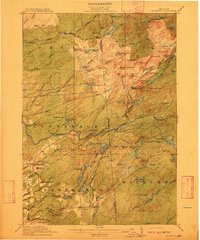 1912 Mc Keever1912 Print · USGSThe southwestern Adirondack wilderness comes into focus in this early twentieth-century survey, showcasing the arrival of the railroad in a landscape of logging camps. Genealogists and researchers can trace the development of Mc Keever and locate family-named sites like Millard's Camp, Porters Corners, and Becks Camp.8 unique versions available
 - 1939 Map of Little Falls
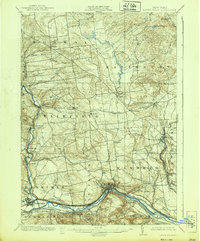 1939 Little Falls1939 Print · USGSThe Mohawk Valley was a bustling corridor of rail and water transport just before the mid-century, centered on the narrow gorge at Little Falls. Genealogists and historians can trace the paths of the Adirondack Division railroad and historic sites like Fort Herkimer and Indian Castle.
 - 1943 Map of Middleville, 1960 Print
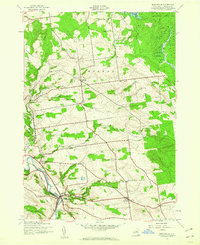 1943 Middleville1960 Print · USGSHerkimer County's rural highlands and the West Canada Creek valley are captured here during the Second World War. Researchers can trace old schoolhouse sites like Dairy Hill Sch and find quiet burying grounds including Sweet Cem and Hardscrabble Cem.3 unique versions available
 - 1946 Map of Hinckley
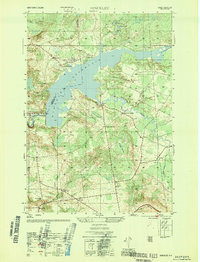 1946 Hinckley1946 Print · USGSUpper Herkimer County in the mid-1940s is defined by the winding waters of the Hinckley Reservoir and the rural crossroads of the Adirondack foothills. Researchers can locate vanished rural landmarks like School No. 4 and the Century Cem, or trace the old roads through Partyville Corners and Grant.4 unique versions available
 - 1946 Map of Middleville
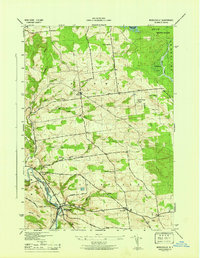 1946 Middleville1946 Print · USGSHerkimer County's dairy country and river valleys are shown in detail during the mid-1940s, highlighting a landscape of upland farms and rural hamlets. Researchers can locate vanished landmarks like Dairy Hill Sch, the high Lookout Tower, and family burial grounds at Hardscrabble Cem.
 - 1946 Map of North Wilmurt, 1958 Print
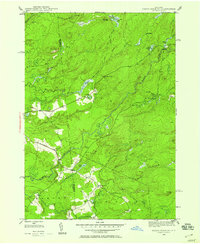 1946 North Wilmurt1958 Print · USGSThe Herkimer and Oneida county line was a landscape of remote camps and small hamlets just after World War II. Researchers can locate family landmarks like the Wheelertown Cem and the settlement of Enos along the banks of the Black River.2 unique versions available
 - 1947 Map of North Wilmurt
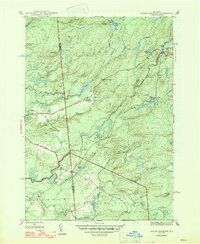 1947 North Wilmurt1947 Print · USGSThe Herkimer and Oneida county borderlands in the late 1940s reveal a network of remote camps and mountain roads within the Adirondack Park. Researchers can trace historic family landmarks such as Wheelertown Cem and old settlements like Enos and North Wilmurt.2 unique versions available
 - 1947 Map of Hinckley
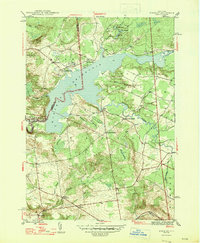 1947 Hinckley1947 Print · USGSThe foothills of the southwest Adirondacks come alive in the mid-forties, centered on the sprawling waters of Hinckley Reservoir. Researchers can trace rural life through vanished schoolhouses like School No 4 and local burials at Century Cem and Gravesville Cem.2 unique versions available
 - 1949 Map of Little Falls
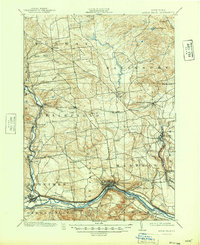 1949 Little Falls1949 Print · USGSHerkimer County's industrial heartland is captured here at mid-century, showcasing the vital Mohawk Valley transit corridor. Researchers can trace the path of the Erie Canal, the Barge Canal, and early rail stops like Ingham Mills Sta. and Dolgeville.
 - 1950 Map of Utica, 1951 Print
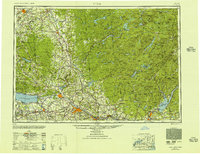 1950 Utica1951 Print · USGSCentral New York in the post-war era showcases the industrial Mohawk Valley and the pristine Adirondack interior. Researchers can trace transportation networks like the New York Central Railroad and find early Cold War sites such as Griffiss Air Force Base.
 - 1954 Map of Ohio
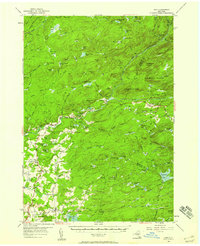 1954 Ohio1954 Print · USGSThe southwestern Adirondacks in the mid-1950s reveal a landscape of remote mountain peaks and small timber-era settlements. Researchers can locate vanished landmarks like Wilmurt Sch, the War Memorial Monument, and rural cemeteries like McIntosh Cem.4 unique versions available
 - 1954 Map of Old Forge, 1956 Print
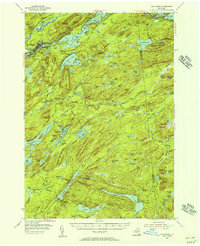 1954 Old Forge1956 Print · USGSThe Adirondack wilderness around Old Forge is shown in the mid-1950s, detailing a landscape of mountain lodges and interior lakes. Genealogists and historians can trace remote outposts like Bisby Lodge, Atwell, and the Riverside Cem along the Fulton Chain Lakes.4 unique versions available
 - 1957 Map of Utica
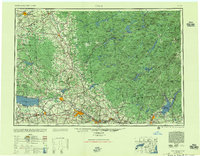 1957 Utica1957 Print · USGSCentral New York and the Adirondack foothills are captured here in the mid-fifties, showing a landscape defined by the Mohawk River corridor and the growing highway system. Genealogists and researchers can trace the rail lines of the New York Central and locate communities from Lowville to Gloversville.
 - 1958 Map of Mc Keever, 1960 Print
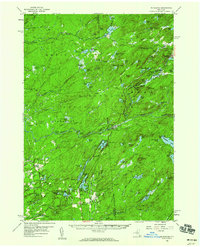 1958 Mc Keever1960 Print · USGSThe Herkimer and Oneida county lines meet in the heart of the Adirondacks during the late fifties, where rail lines and river branches shaped the local economy. Genealogists can locate family-named sites like Hubbards and Porters Corners or trace the New York Central through Minnehaha.4 unique versions available
 - 1962 Map of Utica
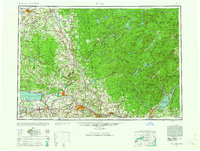 1962 Utica1962 Print · USGSCentral New York and the Adirondack wilderness are captured here during the mid-century era of highway and industrial expansion. Genealogists and historians can trace the development of the New York State Thruway and local rail lines connecting Utica, Rome, and Gloversville.3 unique versions available
 - 1964 Map of Utica
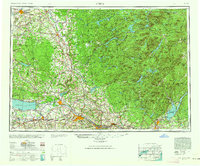 1964 Utica1964 Print · USGSCentral New York and the high wilderness of the Adirondacks are captured here during the post-war era of infrastructure expansion. Researchers can trace the development of the New York State Thruway alongside historic corridors like the Oneida Lake (Barge Canal Route) and the N. Y. Central railroad.
 - 1967 Map of Utica
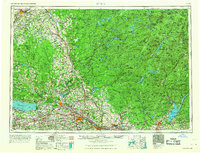 1967 Utica1967 Print · USGSCentral New York's industrial Mohawk Valley meets the Adirondack wilderness in the 1960s, showing the region's transition from manufacturing hubs to state-managed parklands. Trace historic settlements and sites like Griffiss Air Force Base, Colgate University, and the Lyons Falls Paper Mill.
 - 1985 Map of Gloversville, 1986 Print
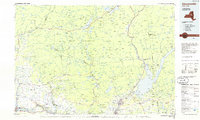 1985 Gloversville1986 Print · USGSThe southern Adirondacks meet the Mohawk Valley industrial corridor during the mid-eighties, showcasing a landscape of high-country lakes and riverside manufacturing towns. Trace the historical alignment of the Erie Canal and Conrail lines or locate landmarks like the Herkimer Home State Historic Site.2 unique versions available
Showing maps 1-25 of 93
Top cities near Ohio
- Trenton historical maps
- Russia historical maps
- Salisbury historical maps
- Webb historical maps
- Remsen historical maps
- Forestport historical maps
See more
Top neighborhoods of Ohio
- Gray historical maps
- Bull Hill historical maps
- Nobleboro historical maps
- North Wilmurt historical maps
- Atwell historical maps
- Herkimer Landing historical maps
Frequently asked questions
- What are the different types of historical maps available for Ohio?
- What is the oldest map of Ohio?
- Where can I purchase historical maps of Ohio for my home or office?
- Where can I download high-res historical maps of Ohio?
- Are there historical topographic maps available for Ohio?
- Is there historical aerial imagery available for Ohio?
- Where are historical maps of Ohio sourced from?