Old Maps of Pine Level, North Carolina for Genealogy
Trace your family roots with 36 historic maps of Pine Level. These high-res maps reveal old neighborhoods, homesites, landmarks, and streets — helping you uncover where your ancestors lived and how the area evolved over time.
- Explore historic neighborhoods: Identify where your relatives may have lived in the 1800s or 1900s.
- Compare maps over time: Trace the changes in streets, buildings, and landmarks for multi-generational research.
- Perfect for genealogy & ancestry research: Used by family historians and researchers to map out lineage and migration.
These maps are an incredible resource for exploring your personal connection to Pine Level's past.
Pine Level, NC maps
(36)- 1902 Map of Kenly
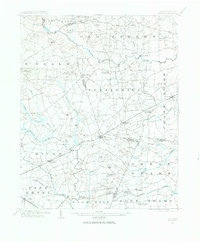 1902 Kenly1902 Print · USGSCoastal plain settlements in Johnston and Wilson Counties flourished along the rail lines during the early nineteen-hundreds. Genealogists can locate family landmarks like Moores Crossroads and Hares Crossroads or trace the Atlantic Coast Line through Kenly and Micro.2 unique versions available
 - 1903 Map of Kenly
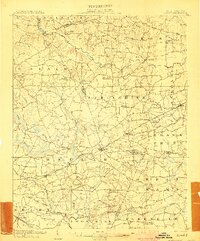 1903 Kenly1903 Print · USGSCoastal plain settlements and crossroads thrive along the rail corridors of Johnston and Wilson counties at the dawn of the twentieth century. Genealogists can locate family-named sites like Hornes Mill and Barnes Store or trace the early paths through Beulahtown and Kenly.2 unique versions available
 - 1906 Map of Four Oaks
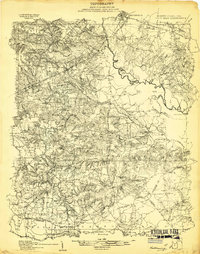 1906 Four Oaks1906 Print · USGSCoastal plain farming and river commerce define Johnston County at the turn of the century. Genealogists can locate family landmarks like Tarts Store and Bentonville (Beasley PO), alongside historic river crossings at Pierce's Ferry.
 - 1908 Map of Four Oaks
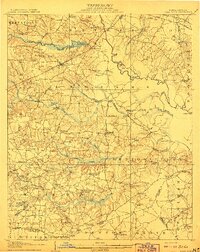 1908 Four Oaks1908 Print · USGSJohnston County’s agrarian landscape is captured here in the years following the turn of the century, centered on the rail commerce of Four Oaks. Researchers can trace the heritage of local families through landmarks like Peacocks Crossroads, Lees Mill, and Wentworth School.3 unique versions available
 - 1953 Map of Raleigh, 1965 Print
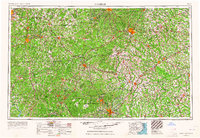 1953 Raleigh1965 Print · USGSCentral North Carolina in the early sixties shows a landscape of growing towns and military hubs before the full expansion of the interstate system. Genealogists can trace family footprints across the Piedmont through Wake Forest, Siler City, and the large Fort Bragg Military Reservation.4 unique versions available
 - 1954 Map of Raleigh
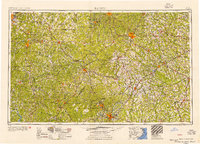 1954 Raleigh1954 Print · USGSThe North Carolina Piedmont and Sandhills are captured in the mid-fifties during a period of steady regional growth. Genealogists and historians can trace the development of towns like Siler City or locate landmarks such as Falls of Neuse and Camp Mackall.
 - 1964 Map of Selma, 1965 Print
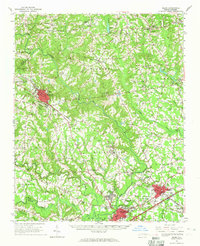 1964 Selma1965 Print · USGSEastern Johnston County flourished as a rail and river hub in the mid-sixties, dominated by the crossing of the Neuse River. Researchers can trace old family sites and crossroads from Archers Lodge to Pine Level, including the Harrison High Sch and Branch Chapel.
 - 1964 Map of Selma, 1965 Print
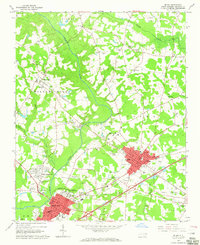 1964 Selma1965 Print · USGSJohnston County in the mid-sixties reveals a landscape shaped by the Neuse River and a dense network of railroads. Researchers can trace family history through dozens of rural sites like Richardson Cem, New Hill Ch, and the County Training Sch.3 unique versions available
 - 1974 Map of Princeton, 1976 Print
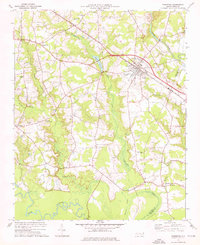 1974 Princeton1976 Print · USGSNear the Johnston and Wayne county line in the mid-1970s, this area centers on the railroad town of Princeton and its surrounding wetlands. Local historians can locate numerous rural landmarks like Bakers Chapel, Raynor Town, and Bizzell Grove Memorial Gardens.
 - 1978 Map of Kenly West
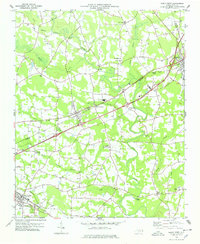 1978 Kenly West1978 Print · USGSThe rural landscape of Johnston County is captured here in the late seventies, showing a network of railroad towns and farming crossroads. Researchers can trace local heritage through landmarks like Lowell Mill, Oak Grove Inn, and churches such as Bethany Ch.
 - 1984 Map of Raleigh, 1985 Print
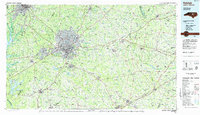 1984 Raleigh1985 Print · USGSThe North Carolina Research Triangle is shown during a decade of rapid growth, from the sprawl of Raleigh to the expanding waters of Falls Lake. Genealogists and historians can trace rail lines like the Seaboard Coast Line or locate landmark sites like Dorothea Dix State Hospital and Fuquay-Varina.
 - 1986 Map of Four Oaks NE
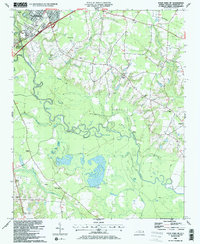 1986 Four Oaks NE1986 Print · USGSThe riverfront and rural reaches of Johnston County are captured here in the mid-1980s as the landscape balances growing settlements with its deep agricultural roots. Researchers can trace local history through a network of country churches like Stewart Chapel and the small community of Brogden.
 - 1986 Map of Fayetteville
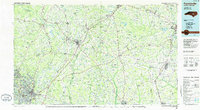 1986 Fayetteville1986 Print · USGSThe North Carolina coastal plain appears in the mid-1980s as a bustling corridor of military installations and historic tobacco towns. Genealogists and historians can trace the footprints of Fort Bragg Military Reservation, Campbell University, and the rail lines of the Seaboard Coast Line RR.2 unique versions available
 - 1990 Map of Raleigh, 1991 Print
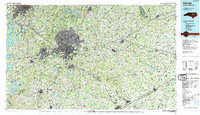 1990 Raleigh1991 Print · USGSGreater Raleigh and the Research Triangle entered a period of significant suburban growth during the 1990s. Researchers can trace the development of towns like Fuquay-Varina and Wake Forest or locate landmarks such as the State Prison and Harris Reservoir.2 unique versions available
 - 1997 Map of Four Oaks NE, 2000 Print
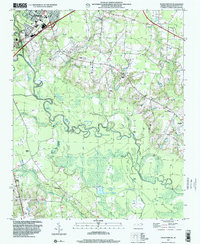 1997 Four Oaks NE2000 Print · USGSThe riverfront and rural outskirts of Johnston County come alive in the late nineties, where the winding Neuse River meets the growing edge of Smithfield. Researchers can trace the location of numerous country churches and landmarks like Sanders Chapel, The Cowbone, and Polecat Landing.
 - 1998 Map of Selma, 2000 Print
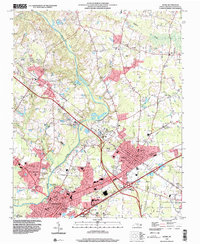 1998 Selma2000 Print · USGSThe Johnston County corridor at the close of the century shows a landscape where historic rural settlements meet modern regional infrastructure. Genealogists can trace family landmarks like Lassiter Cem and Yelverton Grove Ch alongside civic hubs like the Johnston County Hospital.
 - 2010 Map of Kenly West, 2010 Print
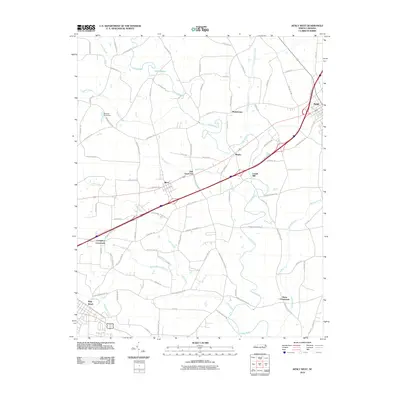 2010 Kenly West2010 Print · USGSPine Level and the surrounding Johnston County communities are captured here in the late 2000s, showing a landscape defined by small-town centers and rural junctions. Trace local history through landmarks like Lowell Mill, Oak Grove Inn, and the winding course of the Little River.
 - 2010 Map of Selma, 2010 Print
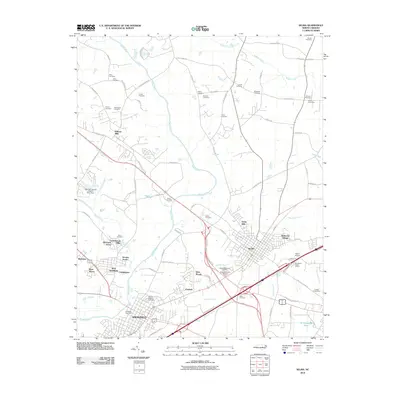 2010 Selma2010 Print · USGSSelma and Smithfield are captured here in the early 2000s, showing a landscape defined by the Neuse River and a complex web of family history. Genealogists can trace numerous legacy sites like Henry Cemetery, Vause Cemetery, and the Selma Memorial Gardens.
 - 2010 Map of Princeton, 2010 Print
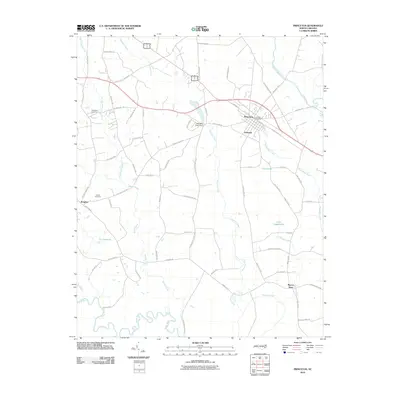 2010 Princeton2010 Print · USGSEastern Johnston County thrives around the Neuse River and Princeton in the early twenty-first century. Genealogists and local historians can trace family markers like Thompson Cemetery, the rural community of Raynor Town, and landmarks such as the Holts Mill Pond Dam.
 - 2010 Map of Four Oaks NE, 2010 Print
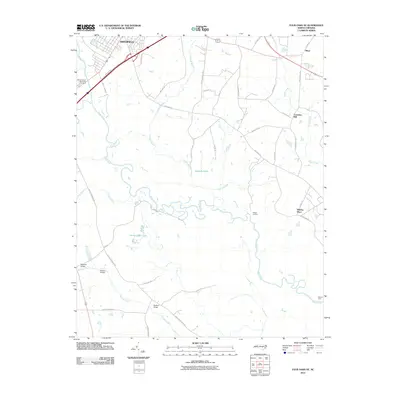 2010 Four Oaks NE2010 Print · USGSCoastal plain farmland and river bottoms define this Johnston County landscape during the early 21st century. Genealogists and local historians can trace family-named roads and landmarks like Creeches Mill, Pierce's Ferry, and the crossings at Barefoot Bridge.
 - 2013 Map of Selma, 2013 Print
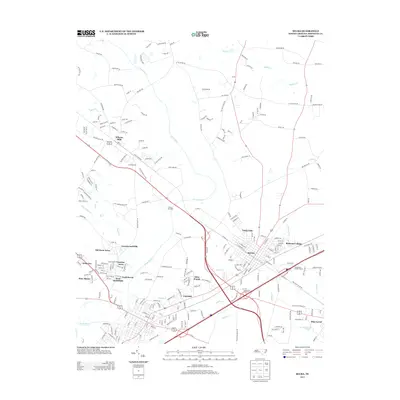 2013 Selma2013 Print · USGSJohnston County in the early twenty-first century exhibits a landscape of growing residential neighborhoods intermixed with historic rail towns. Researchers can trace the development of Selma, Wilsons Mills, and Pine Level alongside landmarks like Prison Unit 4043.
 - 2013 Map of Four Oaks NE, 2013 Print
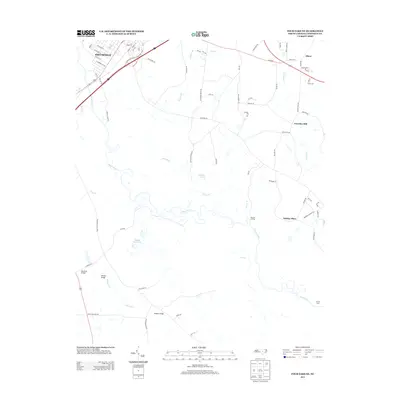 2013 Four Oaks NE2013 Print · USGSThe Neuse River basin northeast of Smithfield is captured here in the early twenty-first century as it balances urban growth with deep-rooted rural landmarks. Genealogists and local historians can trace legacy sites like Whitley Place, Creeches Mill, and river crossings at Sanders Bridge or Pierce's Ferry.
 - 2013 Map of Kenly West, 2013 Print
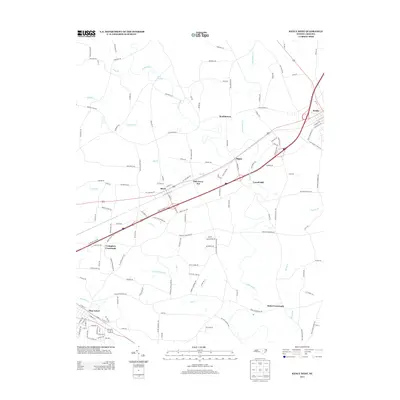 2013 Kenly West2013 Print · USGSJohnston County’s rural landscape is captured here in the early twenty-first century, showing the established communities and crossroads that define the region. Researchers can trace the path of the Little River and locate historic points like Lowell Mill, Crumplers Crossroads, and Oak Grove Inn.
 - 2013 Map of Princeton, 2013 Print
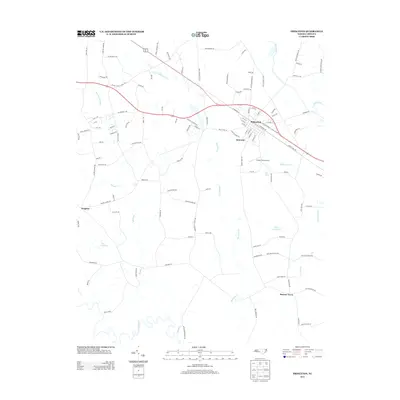 2013 Princeton2013 Print · USGSThe rural landscapes and river bottoms of Johnston County are captured here in the early twenty-first century. Genealogists and local historians can trace family road names and old settlements like Delwood and Raynor Town, or locate landmarks like Hinton Field Airport.
 - 2016 Map of Princeton, 2016 Print
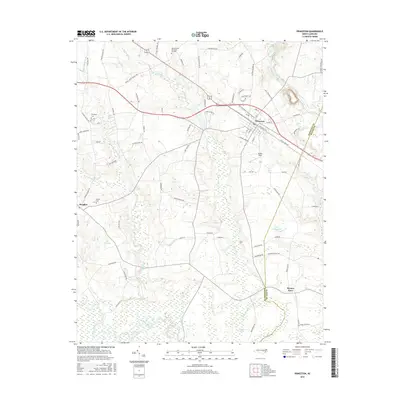 2016 Princeton2016 Print · USGSCoastal plain settlements and railroad history define this area of Johnston County in 2016. Genealogists and local historians can trace the proximity of Thompson Cem to Princeton, follow the Norfolk Southern rail line, or locate the small community of Raynor Town.
Showing maps 1-25 of 36
Top cities near Pine Level
- Raleigh historical maps
- Wilson historical maps
- Goldsboro historical maps
- Clayton historical maps
- Smithfield historical maps
- Selma historical maps
See more
Frequently asked questions
- What are the different types of historical maps available for Pine Level?
- What is the oldest map of Pine Level?
- Where can I purchase historical maps of Pine Level for my home or office?
- Where can I download high-res historical maps of Pine Level?
- Are there historical topographic maps available for Pine Level?
- Is there historical aerial imagery available for Pine Level?
- Where are historical maps of Pine Level sourced from?