1960s Maps of Traill County, North Dakota
Explore 24 historic maps of Traill County from the 1960s. These maps offer a rare glimpse into what life looked like during the 1960s — showing old roads, neighborhoods, homes, and landmarks that have changed or disappeared over time.
Whether you're researching your family's past, planning a metal detecting trip, or studying how Traill County's landscape evolved across the 1960s, these high-resolution maps are a powerful tool for exploring the history of this region.
- Focus on a specific era: All maps on this page are from the 1960s, giving you a focused view of this time period.
- See what’s changed: Compare century-old streets, trails, and buildings to today's modern landscape using overlays and satellite layers.
- Research with precision: Use these maps for genealogy, historical research, land use analysis, or educational projects.
- View, download, or print: Maps are fully viewable online in high resolution, and can be downloaded or printed for your own records.
Start exploring Traill County's history through authentic maps from the 1960s. This is your window into the past.
Traill County, ND maps
(24)- 1963 Map of Shelly, 1964 Print
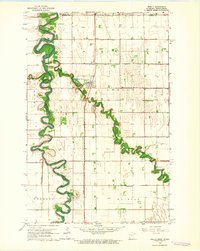 1963 Shelly1964 Print · USGSThe fertile Red River Valley is captured here in the early 1960s, showing the agricultural landscape of Norman County and the Minnesota border. Researchers can trace rural life through the presence of the Herberg Sch, Shelly Cem, and the Great Northern rail line.2 unique versions available
 - 1963 Map of Perley, 1964 Print
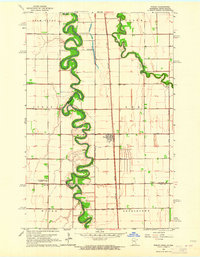 1963 Perley1964 Print · USGSThe Red River Valley at the Minnesota border comes into focus during the early sixties, showing the tight meanders of the Red River and Wild Rice River. Trace local history through the Great Northern rail stops, Perley townsite, and Kirkebo Cem.2 unique versions available
 - 1963 Map of Gardner, 1964 Print
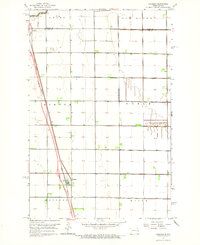 1963 Gardner1964 Print · USGSThe Red River Valley prairie is captured in the early sixties at the border of Traill County and Cass County. Researchers can trace rail history and land use through the Great Northern line and the townships of Kinyon and Noble.
 - 1963 Map of Halstad, 1964 Print
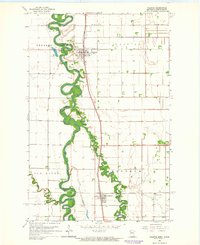 1963 Halstad1964 Print · USGSThe Red River Valley in the early 1960s is defined here by its winding river border and thriving rail towns. Genealogists can trace family roots through several local landmarks like Pontoppidan Ch, Quincy Cem, and Immanuel Cem.
 - 1963 Map of Hillsboro, 1964 Print
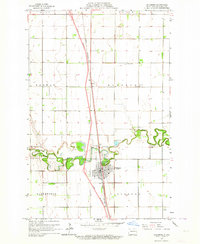 1963 Hillsboro1964 Print · USGSHillsboro and the surrounding Red River Valley townships are shown here during the early sixties as agricultural life revolved around the rail and river. Genealogists can locate family sites at St Rose Cem, Lynn Elton Cem, or the St Olaf Ch near Taft.3 unique versions available
 - 1963 Map of Kelso, 1964 Print
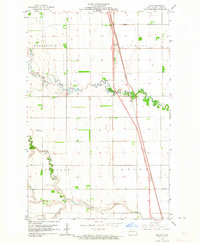 1963 Kelso1964 Print · USGSTraill County agricultural life and infrastructure are well-preserved in this early 1960s survey of the Elm River valley. Researchers can trace family roots at Bohnsack Cem or follow the path of the Great Northern railroad through Kelso and Alton.2 unique versions available
 - 1963 Map of Halstad SW, 1964 Print
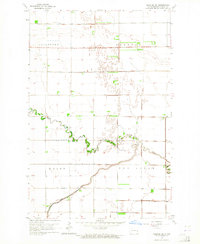 1963 Halstad SW1964 Print · USGSTraill County, North Dakota, is documented here in the early sixties, showing the agricultural heartland during a period of steady rural development. Genealogists and historians can trace the local township boundaries of Hillsboro and Kelso or locate family sites near Lockhart and the North Branch Elm River.
 - 1964 Map of Climax NW, 1966 Print
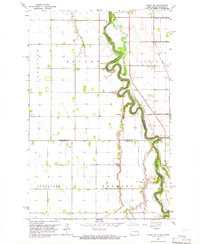 1964 Climax NW1966 Print · USGSThe Red River Valley in the mid-sixties is captured here as a landscape of tight oxbows and organized farmsteads. Researchers can trace the drainage of the prairie through Buffalo Coulee or locate rural centers like Rosendahl Ch and North Ringsaker Cem.
 - 1964 Map of Climax SW, 1966 Print
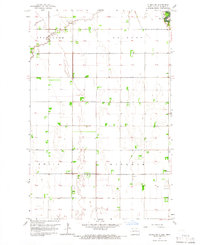 1964 Climax SW1966 Print · USGSTraill County agricultural lands are captured here in the mid-sixties, showing the rural grid of the Red River Valley. Genealogists can locate family sites near Grue Ch, Salem Cem, and School No 5 along the banks of Buffalo Coulee.
 - 1964 Map of Caledonia, 1966 Print
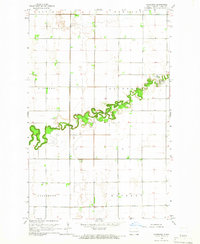 1964 Caledonia1966 Print · USGSTraill County farmland in the mid-1960s is defined by the winding course of the Goose River and a precise grid of rural section roads. Genealogists and local historians can trace the early layout of Caledonia and the neighboring settlement of Herberg.
 - 1964 Map of Climax, 1966 Print
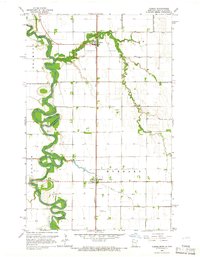 1964 Climax1966 Print · USGSThe Red River Valley in the mid-1960s shows a landscape defined by its winding river border and rail-side towns. Genealogists and local historians can trace the foundations of Climax and Nielsville or locate family sites at Bergit Cem and Skatvold Cem.2 unique versions available
 - 1964 Map of Eldred, 1966 Print
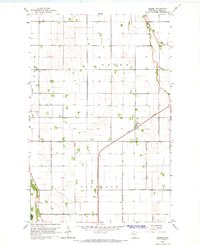 1964 Eldred1966 Print · USGSPolk County agriculture and transit come into focus during the mid-sixties, showing a landscape defined by rail and drainage. Genealogists and local historians can trace the Great Northern rail line through Eldred or locate the Bardo Cem and local Townhall.2 unique versions available
 - 1966 Map of Grand Forks
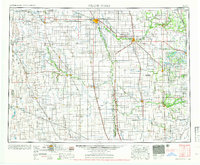 1966 Grand Forks1966 Print · USGSThe Red River Valley in the mid-sixties shows a landscape shaped by rail-line commerce and complex water management. Genealogists and historians can trace rail-side towns like Emerado and Hunter or locate rural landmarks like the Pleasant View Church.
 - 1966 Map of Galesburg, 1968 Print
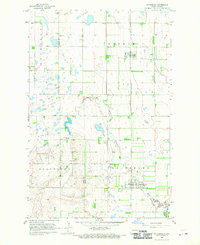 1966 Galesburg1968 Print · USGSIn the mid-1960s, the agricultural communities of Traill County were defined by the Great Northern rail line and the winding Elm River. Genealogists and local historians can trace the early layout of Clifford and Galesburg, or locate family sites near Clifford Cem and Elm River Cem.
 - 1967 Map of Mayville South, 1969 Print
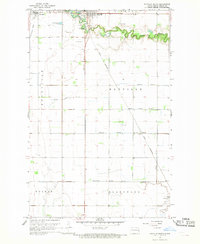 1967 Mayville South1969 Print · USGSTraill County settlements and the winding Goose River are captured here in the late sixties. Genealogists and local historians can trace the Great Northern rail line, locate a town Cem, and study the extensive irrigation network of Murray Drain No 17.2 unique versions available
 - 1967 Map of Ayr NE, 1969 Print
 1967 Ayr NE1969 Print · USGSNorth Dakota's prairie landscape in the late sixties is defined by the winding Rush River and a network of rural townships. Researchers can trace land boundaries across Dows and Hunter, or locate industrial sites like the Gravel Pit.2 unique versions available
 - 1967 Map of Blanchard, 1969 Print
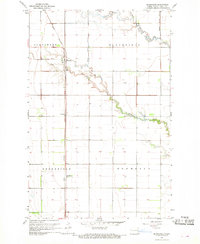 1967 Blanchard1969 Print · USGSTraill County farming and transport are frozen in time during the late sixties, centered on the rail-side settlement of Blanchard. Researchers can trace the Great Northern railroad line through rural stops like Preston and the meandering course of the Elm River.
 - 1967 Map of Ayr NW, 1969 Print
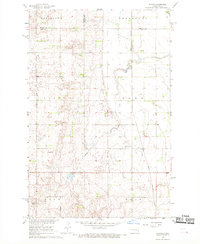 1967 Ayr NW1969 Print · USGSNorth Dakota's agricultural heartland is documented here in the late sixties at the intersection of Cass, Traill, and Steele Counties. Genealogists and local historians can trace the Great Northern rail line and identify family lands near Galesburg or the Conrad Landing Strip.2 unique versions available
 - 1967 Map of Grandin, 1969 Print
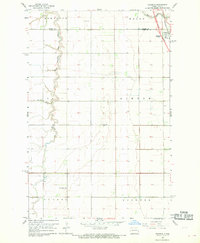 1967 Grandin1969 Print · USGSGrandin and the surrounding Red River Valley prairie are captured in the late sixties at a moment of infrastructure growth. Genealogists and historians can trace family plots at Rose Valley Cem and follow the legacy of the Great Northern railroad.2 unique versions available
 - 1967 Map of Hunter, 1969 Print
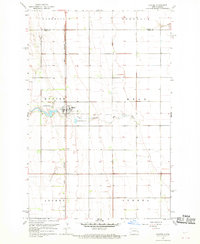 1967 Hunter1969 Print · USGSNorth Dakota's fertile plains are captured here in the late sixties, centered on the rail-side town of Hunter. Genealogists can trace the rural sections of Greenfield and Bell while locating infrastructure like the Great Northern tracks and the South Branch Elm River.
 - 1967 Map of Hillsboro NW, 1969 Print
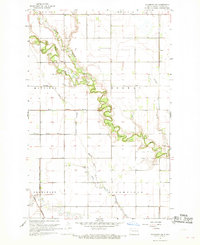 1967 Hillsboro NW1969 Print · USGSTraill County agriculture and rural life are captured here in the late sixties as the prairie landscape was defined by its winding rivers and rail lines. Genealogists can trace family footprints near Norway Ch, Aal Ch, or the Arnegard Cem.
 - 1968 Map of Galesburg, 1970 Print
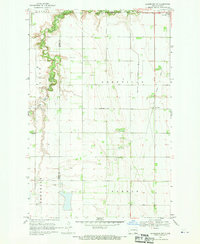 1968 Galesburg1970 Print · USGSThe Steele and Traill County line comes alive in the late sixties, showing the agricultural rhythm of townships like Roseville and Norman. Researchers can trace the Old Railroad Grade and locate local landmarks such as Trinity Ch and Bruflat Cem.
 - 1968 Map of Galesburg NW, 1970 Print
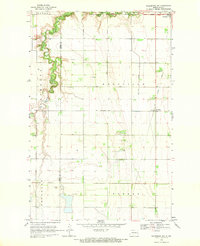 1968 Galesburg NW1970 Print · USGSTraill County's fertile Red River Valley landscape is shown in the late sixties as the river-fed agricultural system matured. Researchers can trace family sites near Portland, locate the Bruflat Cem, and follow the path of the Old Railroad Grade.
 - 1968 Map of Galesburg SE, 1970 Print
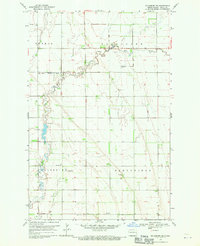 1968 Galesburg SE1970 Print · USGSTraill County in the late sixties reveals a landscape of high-plains agriculture and towering mid-century broadcast infrastructure. Genealogists and local historians can locate the Stordahl Ch, the local Cem, and the massive Radio Tower (KTHI-TV).
End of results
Showing maps 1-24 of 24
Top cities of Traill County
- Mayville historical maps
- Hillsboro historical maps
- Hatton historical maps
- Portland historical maps
- Buxton historical maps
- Galesburg historical maps
See more
Frequently asked questions
- What are the different types of historical maps available for Traill County?
- What is the oldest map of Traill County?
- Where can I purchase historical maps of Traill County for my home or office?
- Where can I download high-res historical maps of Traill County?
- Are there historical topographic maps available for Traill County?
- Is there historical aerial imagery available for Traill County?
- Where are historical maps of Traill County sourced from?