Old Maps of Miami, Oklahoma for Hiking & Exploration
Hike through history with 30 historic maps of Miami. Explore old trails, ghost towns, and forgotten backroads — perfect for outdoor adventurers and local explorers.
- Rediscover forgotten places: Map out old mining camps, roads, and footpaths that no longer exist on modern maps.
- Layer with modern tools: Combine with LiDAR or satellite views to plan hikes through historical terrain.
- Made for exploration: Popular among hikers, overlanders, and local history lovers.
Use these maps to find adventure and explore the hidden past of Miami.
Miami, OK maps
(30)- 1907 Map of Wyandotte, 1954 Print
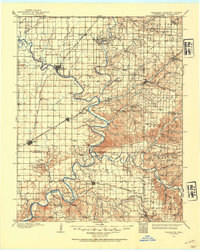 1907 Wyandotte1954 Print · USGSThe Tri-State border region at the start of the twentieth century shows a landscape of river ferries and early rail towns. Trace the locations of family landmarks like Hickory Grove Church, Goad Eagle Ferry, and rural schools from Afton to Seneca.2 unique versions available
 - 1909 Map of Wyandotte
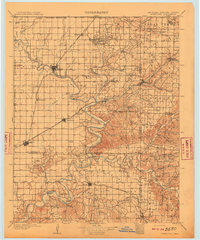 1909 Wyandotte1909 Print · USGSNortheastern Oklahoma’s river valleys and prairies are captured here just after statehood, during a period of rapid rail expansion and tribal land transition. Researchers can trace early river crossings like Rodwhite Ferry and locate historic community centers such as Hickory Grove Church or the Bluejacket School.2 unique versions available
 - 1954 Map of Tulsa
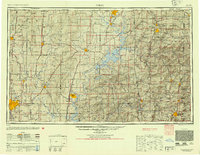 1954 Tulsa1954 Print · USGSNortheast Oklahoma and the Ozark border are shown here during a period of massive industrial and infrastructure growth. Researchers can trace the legacy of the Tri-State Mining District and the development of major reservoirs like Grand Lake O' The Cherokees.2 unique versions available
 - 1958 Map of Tulsa, 1968 Print
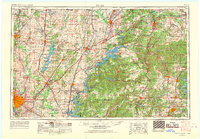 1958 Tulsa1968 Print · USGSNortheast Oklahoma and the Ozark borderlands are captured here during a massive era of reservoir construction and highway expansion. Researchers can trace the mid-century footprints of Tulsa, the sprawling Lake O' the Cherokees, and historical sites like Pea Ridge National Military Park.3 unique versions available
 - 1961 Map of Miami SE, 1962 Print
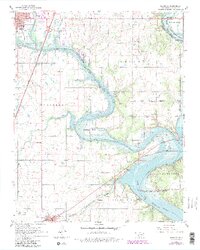 1961 Miami SE1962 Print · USGSNortheastern Oklahoma at the turn of the sixties shows a landscape shaped by tribal boundaries and the waters of the Lake of the Cherokees. Trace family roots at Bland Cem or locate former schools like McKinley Sch.4 unique versions available
 - 1961 Map of Miami NW, 1963 Print
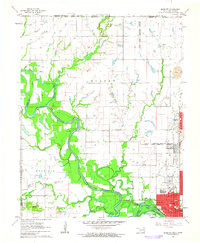 1961 Miami NW1963 Print · USGSNortheastern Oklahoma at the start of the 1960s shows a landscape defined by tribal heritage and the legacy of the Tri-State mining district. Genealogists and historians can trace Old Indian Cem and North Fairview Sch alongside the active tracks of the St Louis-San Francisco RR.2 unique versions available
 - 1961 Map of Miami SW, 1963 Print
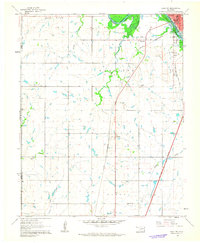 1961 Miami SW1963 Print · USGSSouthwest of Miami in the early sixties, the landscape reflects a shift from rail-side settlements to turnpike travel. Local researchers can trace family landmarks like Lone Star Ch, Coal Creek Cem, and the small community of Narcissa.2 unique versions available
 - 1961 Map of Picher, 1963 Print
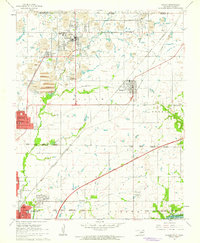 1961 Picher1963 Print · USGSOttawa County mining towns and tribal lands are captured here in the early sixties, as the lead and zinc industry shaped the landscape. Researchers can trace the industrial footprints of Century (Douthat PO) and Treece or locate family roots at Peery Cem.2 unique versions available
 - 1963 Map of Tulsa
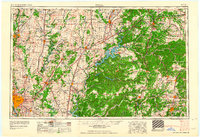 1963 Tulsa1963 Print · USGSThe Oklahoma and Arkansas borderlands are shown here in the early sixties, a time of massive reservoir construction and heavy mining. Genealogists can trace family roots through settlements like Nowata, Pryor, and Jay, or locate historical zinc and lead mines and coal mines.
 - 1986 Map of Neosho
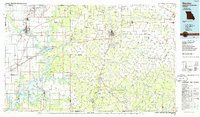 1986 Neosho1986 Print · USGSThe tri-state border region comes alive in the mid-eighties as a landscape of mining heritage and river valleys. Researchers can trace the rail lines of the Kansas City Southern Ry and locate rural landmarks like Gibson Cem and Peoria.2 unique versions available
 - 2010 Map of Miami SE, 2010 Print
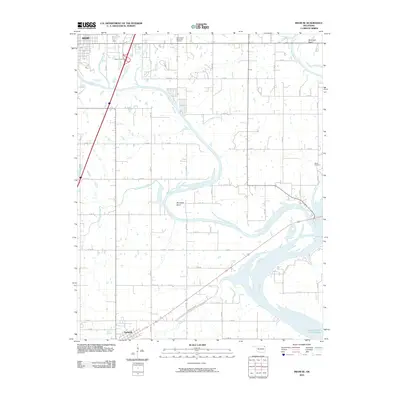 2010 Miami SE2010 Print · USGSOttawa County at the start of the 2010s shows a landscape defined by the winding Neosho River and its progress toward the Grand Lake O' The Cherokees. Researchers can trace local roots through the Fairland township or locate family sites at Bland Cemetery and Glen Abbey Memorial Gardens.
 - 2010 Map of Miami SW, 2010 Print
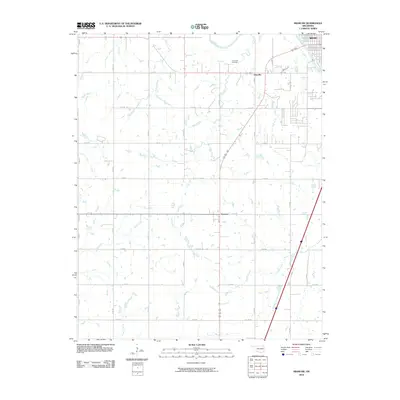 2010 Miami SW2010 Print · USGSOttawa County during the early twenty-first century reveals a landscape of enduring rural communities and prairie waterways southwest of the county seat. Researchers can locate the Coal Creek Cemetery and trace the paths of Coal Creek and Narcissa through this agricultural corridor.
 - 2010 Map of Picher, 2010 Print
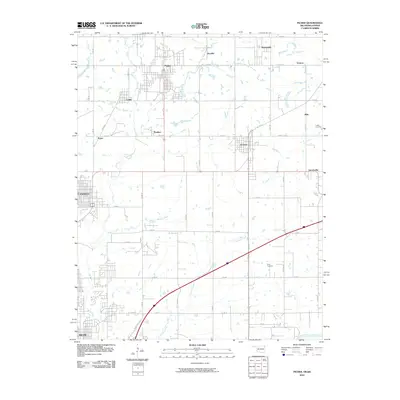 2010 Picher2010 Print · USGSOttawa County mining towns and tribal lands appear in detail at the turn of the decade. Genealogists and historians can trace the road networks and settlements of Picher, Quapaw, and Commerce alongside the Indian Cemetery and Peery Cemetery.
 - 2010 Map of Miami NW, 2010 Print
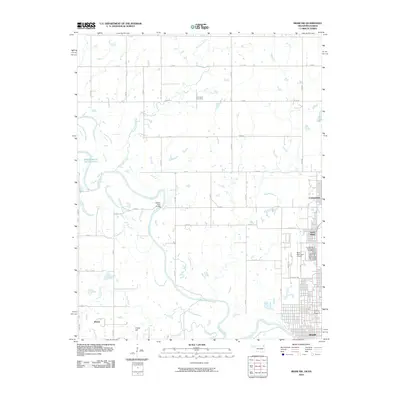 2010 Miami NW2010 Print · USGSOttawa County at the start of the 2010s shows a landscape shaped by the Neosho River and its history of settlement. Genealogists and researchers can locate the Old Indian Cemetery and Grand Army of the Republic Cemetery or trace the roads connecting Commerce and Miami.
 - 2012 Map of Miami SW, 2012 Print
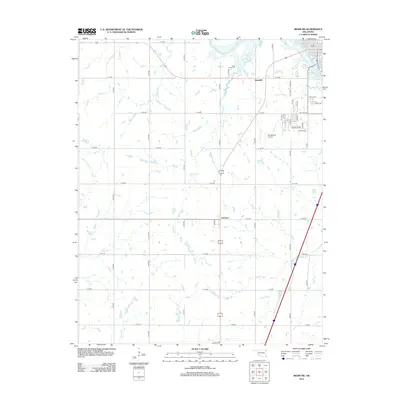 2012 Miami SW2012 Print · USGSOttawa County near Miami is shown during a period of modern rural and suburban transition. Researchers can locate historical sites such as Coal Creek Cem and the Old 66 Strip Airport alongside the northern reaches of Grand Lake O the Cherokees.
 - 2012 Map of Miami SE, 2012 Print
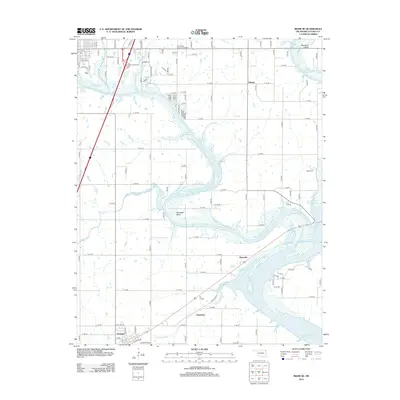 2012 Miami SE2012 Print · USGSOttawa County and the waters of the Neosho River were well-established as a hub of lake life and prairie transit by the early twenty-first century. Genealogists and local historians can trace the roads connecting Ottawa, Fairland, and the family plots at Bland Cem.
 - 2012 Map of Picher, 2012 Print
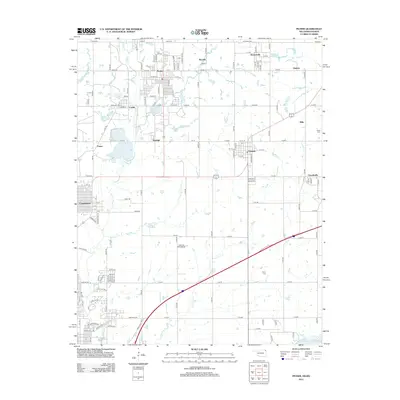 2012 Picher2012 Print · USGSOttawa County communities like Picher and Quapaw are documented here during a modern era of environmental and geographic shift. Genealogists can trace family landmarks and historical locations from Cardin to the Northeastern Oklahoma A & M College campus.
 - 2012 Map of Miami NW, 2012 Print
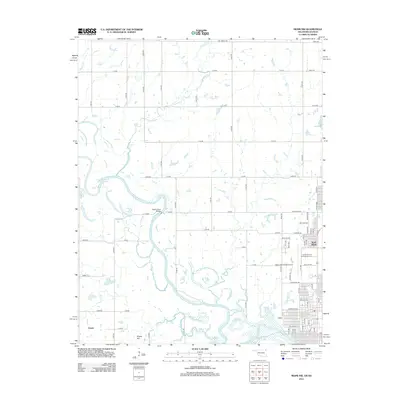 2012 Miami NW2012 Print · USGSNorthern Ottawa County in the early 2010s is defined by the winding waters of Grand Lake O' the Cherokees. Researchers can locate the Grand Army of the Republic Cem and the settlement of North Miami near the Miami Municipal Airport.
 - 2016 Map of Miami SE, 2016 Print
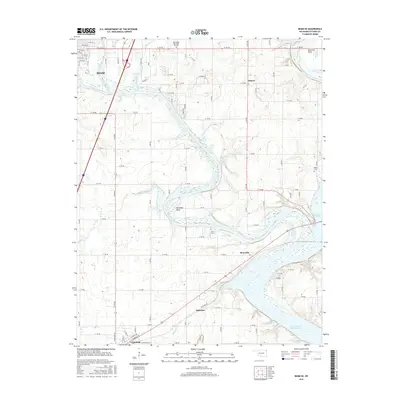 2016 Miami SE2016 Print · USGSNortheastern Oklahoma's river valleys are shown in the mid-2010s just before they merge into the expansive Grand Lake reservoir. Researchers can trace rural cemeteries like Bland Cem and Berry Cem or the river-bend settlements of Moreville and Ogeechee.
 - 2016 Map of Miami NW, 2016 Print
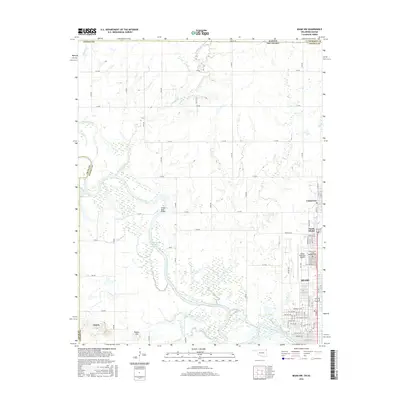 2016 Miami NW2016 Print · USGSOttawa County in the mid-2010s shows a landscape defined by the Neosho River and the northern edge of the Grand Lake of the Cherokees. Researchers can map the streets of Miami and Commerce or locate local landmarks like the Grand Army of the Republic Cem and Potato Hill.
 - 2016 Map of Miami SW, 2016 Print
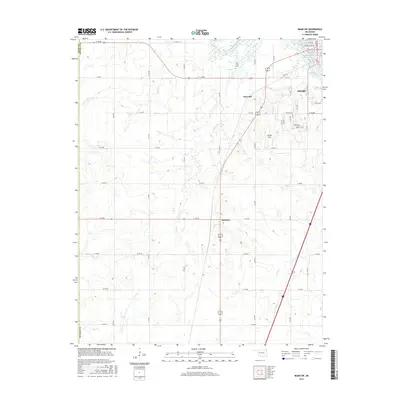 2016 Miami SW2016 Print · USGSMiami and Ottawa County are shown here as the prairie landscape meets the Neosho River in the mid-2010s. Genealogists and local historians can trace family roots at Coal Creek Cem or locate old community hubs like Narcissa and Dotyville.
 - 2016 Map of Picher, 2016 Print
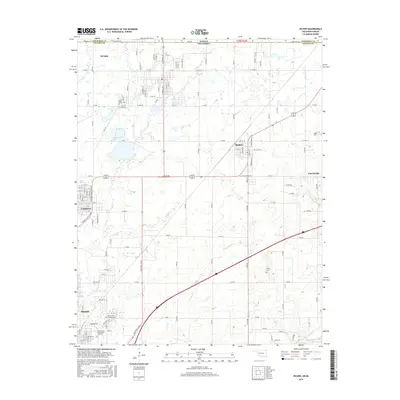 2016 Picher2016 Print · USGSOttawa County, Oklahoma, at the Kansas border is documented here in the mid-2010s, showing the region's unique industrial and cultural layout. Researchers can trace the roots of the local landscape through landmarks like Indian Cem, the legacy of Commerce, and the campus of Northeastern Oklahoma A & M Coll.
 - 2018 Map of Miami SE, 2018 Print
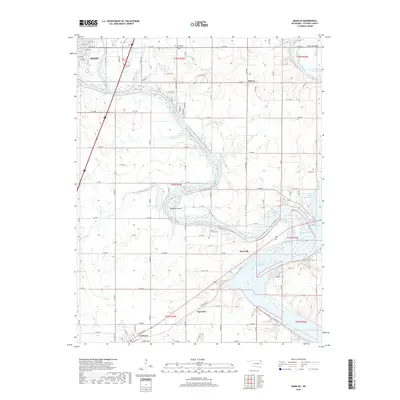 2018 Miami SE2018 Print · USGSOttawa County's river valleys and northern lake reaches are seen here in the late twenty-teens, showing the confluence of the Neosho River and Spring River. Genealogists can locate family landmarks like Berry / Connor Cem and the settlement of Fairland.
 - 2018 Map of Picher, 2018 Print
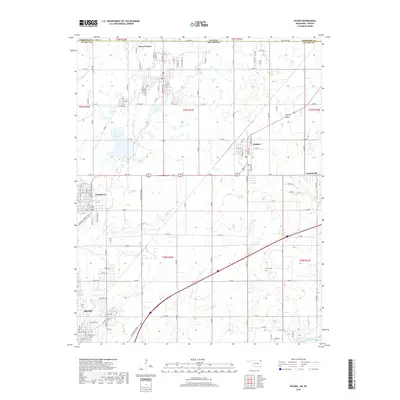 2018 Picher2018 Print · USGSThe Oklahoma-Kansas border country comes into focus in this late 2010s survey, showing the transition from mining landscapes to regional centers. Trace the grid of Miami and Commerce or find local landmarks like Peery Cem and the City of Treece.
 - 2018 Map of Miami NW, 2018 Print
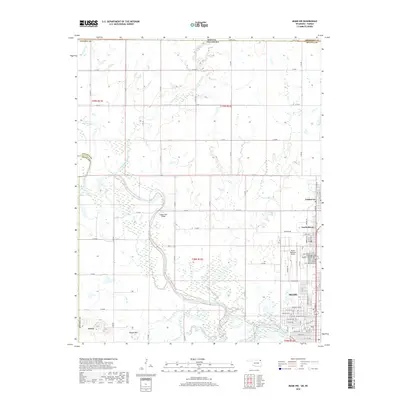 2018 Miami NW2018 Print · USGSOttawa County at the Kansas border shows a landscape shaped by the Neosho River and the growth of its industrial towns. Genealogists and researchers can trace the streets of Miami, locate the Grand Army of the Republic Cem, or find the Stepps Ford Bridge.
Showing maps 1-25 of 30
Top cities near Miami
- Baxter Springs historical maps
- Galena historical maps
- Commerce historical maps
- Chetopa historical maps
- Afton historical maps
- Fairland historical maps
See more
Frequently asked questions
- What are the different types of historical maps available for Miami?
- What is the oldest map of Miami?
- Where can I purchase historical maps of Miami for my home or office?
- Where can I download high-res historical maps of Miami?
- Are there historical topographic maps available for Miami?
- Is there historical aerial imagery available for Miami?
- Where are historical maps of Miami sourced from?