Old Maps of Wheeler County, Oregon for Metal Detecting
Plan your next treasure hunt with 312 historic maps of Wheeler County. Find old homesites, ghost towns, trails, and gathering spots that may be lost to time — perfect for identifying promising metal detecting locations.
- Locate forgotten sites: Uncover places like long-lost settlements, abandoned rail lines, or gathering spots.
- Plan better hunts: Use map overlays combined with LiDAR or satellite views to narrow in on historically rich areas.
- Made for detectorists: Thousands of hobbyists use these maps to discover relics, coins, and hidden history.
Use these historic maps to boost your research and find new opportunities beneath the surface of Wheeler County.
Wheeler County, OR maps
(312)- 1916 Map of Condon
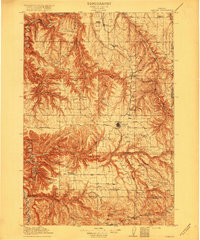 1916 Condon1916 Print · USGSNorth-central Oregon at the start of the twentieth century was a land of high plateaus and deep canyons centered on the Condon wheat country. Genealogists can trace a vast network of rural schoolhouses like Linville School and Buckhorn School, alongside early rail stops at Mikkalo and Gwendolen.3 unique versions available
 - 1926 Map of Mitchell
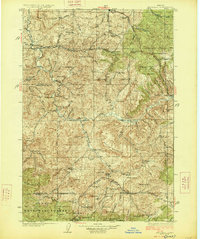 1926 Mitchell1926 Print · USGSCentral Oregon ranching and geology are documented here in the mid-1920s, showing a landscape defined by the winding John River. Genealogists can locate family holdings like Old Frizzell Ranch and Laird Ranch alongside remote schoolhouses like Gable School.3 unique versions available
 - 1932 Map of Dayville, 1958 Print
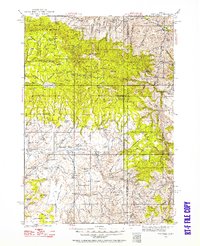 1932 Dayville1958 Print · USGSCentral Oregon ranching and timber frontiers are captured here in the early 1930s, documenting a remote landscape of high plateaus and river valleys. Genealogists and historians can locate family landmarks like Congleton Ranch, the ruins of Camp Watson, and early rural school sites like Beaver Creek Sch.
 - 1936 Map of Dayville
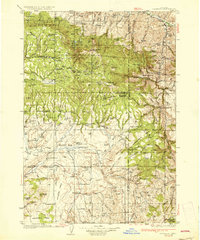 1936 Dayville1936 Print · USGSIn the early 1930s, this portion of Central Oregon was a landscape of high timber and remote cattle ranches along the John Day River. Researchers can trace the era's ranching families at Dexter Ranch and Mills Ranch, or find the location of the Old Bear Creek Sawmill and Fort Camp Watson.3 unique versions available
 - 1951 Map of Lookout Mtn, 1954 Print
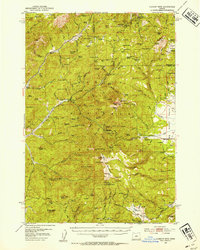 1951 Lookout Mtn1954 Print · USGSHigh in the central Oregon mountains during the early fifties, this area reveals a landscape of isolated mines and forest service outposts. Researchers can trace the operations of the Ochoco Mine, locate the Nelson Monument, and find remote family sites like Simpson Place.2 unique versions available
 - 1953 Map of Richmond, 1955 Print
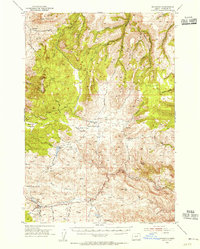 1953 Richmond1955 Print · USGSWheeler County ranching and upland territory are documented here during the early fifties. Local historians and researchers can trace family lands near Richmond, Waterman, and the Sixshooter Ranch, or locate small-scale landmarks like Bearway Meadow.2 unique versions available
 - 1953 Map of Kimberly, 1955 Print
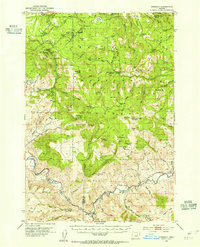 1953 Kimberly1955 Print · USGSThe high desert of Grant and Wheeler counties comes into focus in the early 1950s, centered on the John Day River and its rugged basins. Researchers can locate remote landmarks like the Haystack Cem, the Bull Prairie Guard Sta, and the settlement of Kimberly.2 unique versions available
 - 1953 Map of Picture, 1955 Print
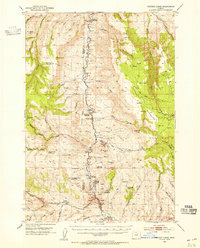 1953 Picture1955 Print · USGSThe John Day River country in the early fifties remains a landscape of isolated homesteads and dramatic geology. Researchers can locate several historic properties like Cant Ranch and Mascall Ranch, or trace the canyon through Picture Gorge.3 unique versions available
 - 1953 Map of Spray, 1955 Print
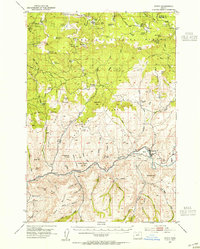 1953 Spray1955 Print · USGSCentral Oregon ranching and river life are captured here in the early fifties, centered on the Spray settlement along the John Day River. Researchers can trace old family sites and mountain landmarks like Winlock, Hoogie Doogie Mtn, and the Corncob Ranch.2 unique versions available
 - 1953 Map of Pendleton, 1957 Print
 1953 Pendleton1957 Print · USGSNortheastern Oregon and the Columbia River frontier are captured here in the early fifties, a time of massive federal infrastructure projects. Researchers can trace the historic route of The Old Oregon Trail as it passes near the Umatilla Ordnance Depot and the new McNary Dam.4 unique versions available
 - 1953 Map of The Dalles, 1965 Print
 1953 The Dalles1965 Print · USGSThe Columbia River Gorge at mid-century shows a region being transformed by massive hydroelectric dams and a growing highway network. Researchers can trace the development of The Dalles Dam, locate the Maryhill Museum, and find old rail stops in Rufus, Wishram, and Arlington.3 unique versions available
 - 1955 Map of Bend, 1964 Print
 1955 Bend1964 Print · USGSCentral Oregon was undergoing significant growth in the mid-1960s as irrigation and infrastructure transformed the high desert. Researchers can trace the path of the Oregon Trunk Line, locate old stops like Gateway, and find landmarks like Lava Butte or the Grange.3 unique versions available
 - 1955 Map of Canyon City, 1966 Print
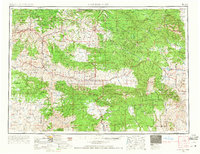 1955 Canyon City1966 Print · USGSCentral Oregon's high desert and timber country are captured here in the mid-fifties, showing the rugged ranching and logging landscape. Trace the path of the Sumpter Valley Ry or locate remote settlements like Izee, Whitney, and Ritter.4 unique versions available
 - 1956 Map of The Dalles
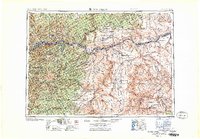 1956 The Dalles1956 Print · USGSThe Columbia River Gorge and the high Cascades are captured in the mid-1950s, showing a vital corridor of rail and road. Researchers can trace the original path of The Old Oregon Trail or locate historical landmarks like the Maryhill Museum and Mount Hood.
 - 1956 Map of Pendleton
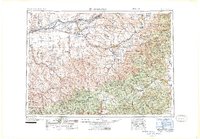 1956 Pendleton1956 Print · USGSNortheastern Oregon’s high plateau and timbered peaks appear here in the mid-fifties, during a time of major military and hydroelectric development. Trace the path of The Old Oregon Trail alongside modern landmarks like McNary Dam and the Umatilla Ordnance Depot.
 - 1957 Map of Bend
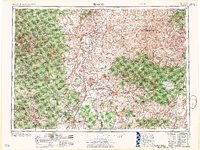 1957 Bend1957 Print · USGSCentral Oregon in the mid-fifties is a landscape of transition between the high Cascades and the arid volcanic plateau. Local historians can trace the rail corridors of the Oregon Trunk and locate early settlements like Ashwood, Odin Falls, and Camp Sherman.
 - 1957 Map of The Dalles
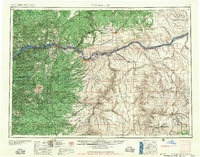 1957 The Dalles1957 Print · USGSThe Columbia River Gorge and the high plateaus of the mid-1950s come alive on this detailed survey of northern Oregon and southern Washington. Researchers can trace the path of the Oregon Trail and The Old Barlow Road alongside river towns like The Dalles and Wishram.
 - 1958 Map of Bend
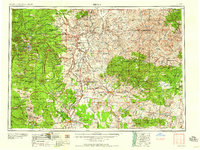 1958 Bend1958 Print · USGSCentral Oregon in the late fifties was a land of high desert ranching and growing mountain towns. Researchers can trace the rail lines of the Oregon Trunk Railroad, find established settlements like Madras and Sisters, or locate landmarks such as Smith Rock and Lava Butte.
 - 1959 Map of Canyon City
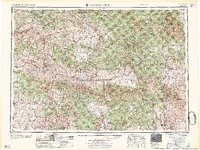 1959 Canyon City1959 Print · USGSEastern Oregon in the late fifties was a landscape of high timber and remote river valleys shaped by the cattle and mining trades. Genealogists and historians can trace the paths of the Sumpter Valley RR and find early settlements like Antone, Richmond, and Dayville.2 unique versions available
 - 1966 Map of Peterson Point, 1968 Print
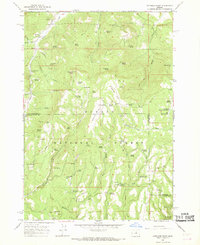 1966 Peterson Point1968 Print · USGSThe high backcountry of the Ochoco Mountains is mapped in the mid-1960s, showing a rugged landscape of volcanic flows and forest trails. Researchers can trace historic access routes like the Keeton Trail or locate isolated sites such as Lonesome Spring Campground and Packsaddle Reservoir.2 unique versions available
 - 1966 Map of Mt. Pisgah, 1968 Print
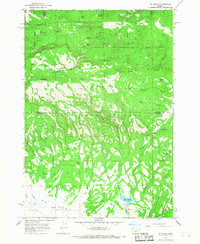 1966 Mt. Pisgah1968 Print · USGSThe high Ochoco mountain country is captured here during the mid-sixties, showing a landscape of forest service lookouts and remote cattle camps. Researchers can locate specific range sites like Wineburger Camp, the Badger Cabin, and the lookout atop Mt Pisgah.2 unique versions available
 - 1966 Map of Antone, 1968 Print
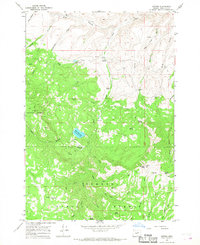 1966 Antone1968 Print · USGSWheeler County ranching and mining operations are captured here during the mid-sixties, from the high peaks of the forest to the deep gulches below. Researchers can trace local heritage at Antone, locate the Waterman Mine, or find the small Cem and isolated Grave.2 unique versions available
 - 1966 Map of Derr Meadows, 1968 Print
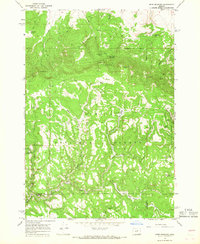 1966 Derr Meadows1968 Print · USGSWheeler and Crook counties meet in the high Ochoco National Forest during the mid-1960s, a period of active forest management and remote ranching. Researchers can locate the Camp Watson site, its nearby Cemetery, and the Derr Guard Station.2 unique versions available
 - 1966 Map of Little Summit Prairie, 1968 Print
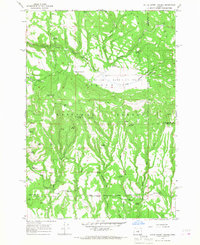 1966 Little Summit Prairie1968 Print · USGSHigh-altitude meadows and timberlands in Crook County are captured here in the mid-1960s. Researchers can trace the historical Military Road and locate remote water sources like Hewed Log Spring and Ruby Reservoir.2 unique versions available
 - 1966 Map of Six Corners, 1968 Print
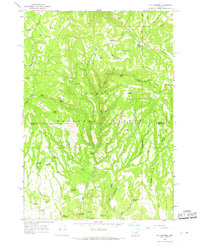 1966 Six Corners1968 Print · USGSThe high timberlands of the Wheeler and Crook county border are captured here in the mid-1960s as forestry infrastructure was expanding. Map collectors and historians can trace the development of backcountry roads and find remote water features like Yu-ma Spring, Scab Reservoir, and the Potter Meadows high country.2 unique versions available
Showing maps 1-25 of 312
Top cities of Wheeler County
Frequently asked questions
- What are the different types of historical maps available for Wheeler County?
- What is the oldest map of Wheeler County?
- Where can I purchase historical maps of Wheeler County for my home or office?
- Where can I download high-res historical maps of Wheeler County?
- Are there historical topographic maps available for Wheeler County?
- Is there historical aerial imagery available for Wheeler County?
- Where are historical maps of Wheeler County sourced from?