1940s Maps of Marion County, South Carolina
Explore 18 historic maps of Marion County from the 1940s. These maps offer a rare glimpse into what life looked like during the 1940s — showing old roads, neighborhoods, homes, and landmarks that have changed or disappeared over time.
Whether you're researching your family's past, planning a metal detecting trip, or studying how Marion County's landscape evolved across the 1940s, these high-resolution maps are a powerful tool for exploring the history of this region.
- Focus on a specific era: All maps on this page are from the 1940s, giving you a focused view of this time period.
- See what’s changed: Compare century-old streets, trails, and buildings to today's modern landscape using overlays and satellite layers.
- Research with precision: Use these maps for genealogy, historical research, land use analysis, or educational projects.
- View, download, or print: Maps are fully viewable online in high resolution, and can be downloaded or printed for your own records.
Start exploring Marion County's history through authentic maps from the 1940s. This is your window into the past.
Marion County, SC maps
(18)- 1940 Map of Florence East, 1971 Print
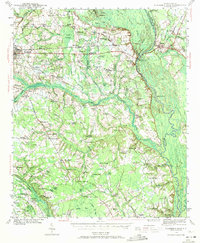 1940 Florence East1971 Print · USGSThe Pee Dee region just before the Second World War shows a landscape defined by riverside landings and rural rail stops. Genealogists can locate family-named landmarks and community hubs like Browns Old Mill, Tabernacle Sch, and Hewitt Cem.
 - 1943 Map of Pages Mill
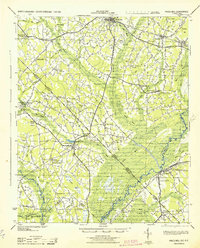 1943 Pages Mill1943 Print · USGSThe Carolina borderlands come alive in the 1940s, showing a landscape shaped by the Lumber River and the Atlantic Coast Line railroad. Genealogists can trace family names through numerous rural landmarks like Oliver Cross Roads, Tabernacle Ch, and White Pond Ch & Sch.
 - 1943 Map of Gum Swamp
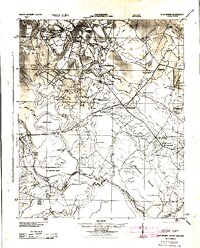 1943 Gum Swamp1943 Print · USGSCoastal plain settlements and river islands define the Pee Dee region during the early years of World War II. Researchers can locate rural hubs like Bethea Cross Roads and trace family history through landmarks like Lower Marlboro High School and Annarate Church.2 unique versions available
 - 1943 Map of Yauhannah, 1958 Print
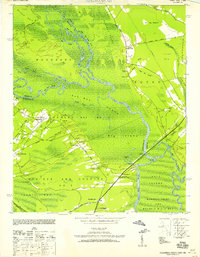 1943 Yauhannah1958 Print · USGSThe South Carolina lowcountry is captured here in the mid-1940s, showing a river-driven landscape of swamps and isolated settlements. Researchers can trace rural life through landmarks like Gravel Gully School, the Yauhannah Church and Cem, and the old Lucas Bay Plantation.4 unique versions available
 - 1943 Map of Dongola, 1962 Print
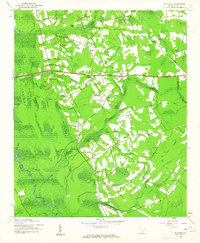 1943 Dongola1962 Print · USGSHorry County during the 1940s reveals a landscape of river-bottom settlements and winding swamp channels. Genealogists can trace family roots through numerous local landmarks like Old Antioch Ch, Singleton Crossroads, and the rural community of Dongola.2 unique versions available
 - 1943 Map of Outland, 1962 Print
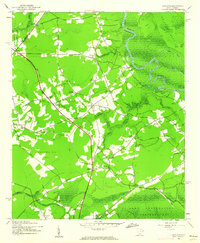 1943 Outland1962 Print · USGSGeorgetown County at the height of the war years reveals a landscape of river landings and rural crossroads. You can trace family roots through numerous sites like Hucks Field Cem, Huggins Crossroads, and Jerusalem Ch.2 unique versions available
 - 1944 Map of Outland
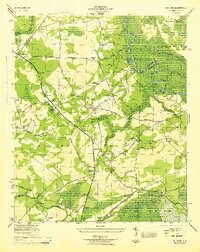 1944 Outland1944 Print · USGSGeorgetown and Williamsburg counties during the Second World War reveal a landscape of dense swamps and strategic military zones. Researchers can trace family history through numerous rural sites like Deep Creek School, Walkers Chapel, and the Hucks Field Cem.
 - 1945 Map of Florence East
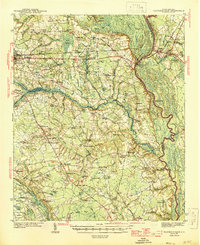 1945 Florence East1945 Print · USGSThe Pee Dee region of South Carolina was a web of rail lines and river landings in the years following the second World War. Researchers can trace the heritage of local communities at Browns Old Mill, Mars Bluff, and rural schoolhouses like Red Hill Sch.2 unique versions available
 - 1946 Map of Hyman
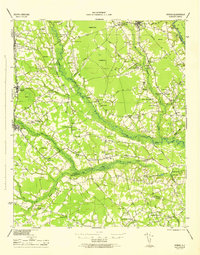 1946 Hyman1946 Print · USGSCoastal plain settlements and river landings define this mid-1940s survey of the Florence and Williamsburg county line. Researchers can trace family history through numerous rural landmarks like the Leo Post Office, Gause Cem, and Prosser Tabernacle.
 - 1946 Map of Johnsonville
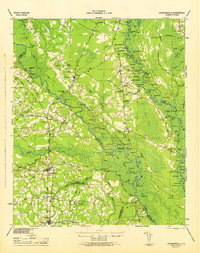 1946 Johnsonville1946 Print · USGSThe Pee Dee River basin and its surrounding swamplands are captured here in the mid-1940s, showing a landscape defined by river landings and rural crossroads. Genealogists and historians can locate dozens of country churches and schools, from Buzzard Skull Ch to the Gunter Island School.
 - 1946 Map of Mullins, 1956 Print
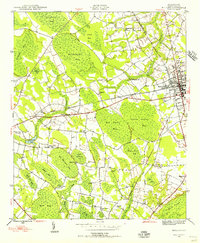 1946 Mullins1956 Print · USGSMarion County was an active railroad and agricultural hub in the mid-1940s, centered on the junction of two major rail lines. Genealogists can trace rural family roots through landmarks like Livingston Cem, Gapway Sch, and Little Bethel Ch.4 unique versions available
 - 1947 Map of Friendship
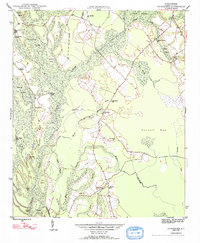 1947 Friendship1947 Print · USGSMarion County in the late 1940s reveals a landscape of interconnected wetlands and small rural communities. Researchers can trace ancestral connections through numerous landmarks like Kirton Cem, Weeping Willow Sch, and the community of Friendship.2 unique versions available
 - 1947 Map of Marion
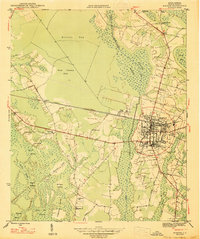 1947 Marion1947 Print · USGSMarion emerges as a post-war rail and agricultural hub in the late 1940s, situated between significant wetlands and the Atlantic Coast Line. Researchers can trace rural community life through landmarks like Singletary Ch, Springville Sch, and Rose Hill Cem.3 unique versions available
 - 1947 Map of Centenary
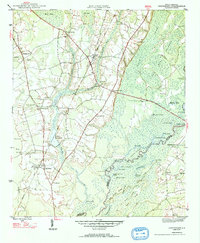 1947 Centenary1947 Print · USGSMarion County is documented here in the mid-1940s, showing a rural landscape defined by the winding Little Pee Dee River and the Seaboard Air Line railroad. Genealogists can trace family footprints through sites like Beauty Spot Sch, Palmer Cem, and the community of Centenary.3 unique versions available
 - 1947 Map of Mullins
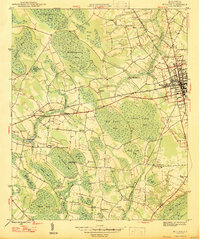 1947 Mullins1947 Print · USGSMarion County at the close of the 1940s is a landscape of intersecting railroads and unique Carolina Bays. Researchers can trace rural life through sites like Smith Swamp Sch, Wise Chapel, and numerous family burials including Ammons Cem.2 unique versions available
 - 1948 Map of Galivants Ferry, 1981 Print
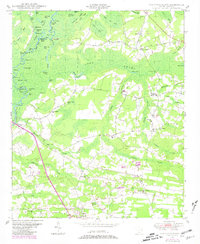 1948 Galivants Ferry1981 Print · USGSThe rural landscape of Horry and Marion counties comes alive in the mid-twentieth century as communities shifted from river landings to crossroads commerce. Genealogists can trace family landmarks and rural school sites like Ketchuptown, Galivants Ferry, and Mill Swamp Sch.
 - 1948 Map of Nichols, 1981 Print
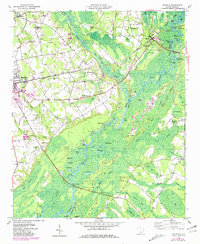 1948 Nichols1981 Print · USGSMarion and Horry counties are shown here at the mid-century, where the Little Pee Dee River meets the Lumber River. Researchers can trace the river economy through historic landings and crossings like Grice Ferry, Pitch Landing, and Sandy Bluff Bridge.
 - 1949 Map of Georgetown, 1953 Print
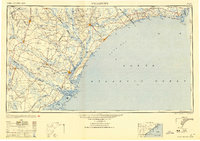 1949 Georgetown1953 Print · USGSThe South Carolina coast and North Carolina borderlands appear here in the mid-century, prior to the major modern development of the Grand Strand. Genealogists and historians can trace the rail networks of the Seaboard Air Line Railroad and locate coastal landmarks from Fort Caswell to McClellanville.
End of results
Showing maps 1-18 of 18
Top cities of Marion County
Frequently asked questions
- What are the different types of historical maps available for Marion County?
- What is the oldest map of Marion County?
- Where can I purchase historical maps of Marion County for my home or office?
- Where can I download high-res historical maps of Marion County?
- Are there historical topographic maps available for Marion County?
- Is there historical aerial imagery available for Marion County?
- Where are historical maps of Marion County sourced from?