Old Maps of San Antonio, Texas for Hiking & Exploration
Hike through history with 165 historic maps of San Antonio. Explore old trails, ghost towns, and forgotten backroads — perfect for outdoor adventurers and local explorers.
- Rediscover forgotten places: Map out old mining camps, roads, and footpaths that no longer exist on modern maps.
- Layer with modern tools: Combine with LiDAR or satellite views to plan hikes through historical terrain.
- Made for exploration: Popular among hikers, overlanders, and local history lovers.
Use these maps to find adventure and explore the hidden past of San Antonio.
San Antonio, TX maps
(165)- 1953 Map of Otis Ridge, 1959 Print
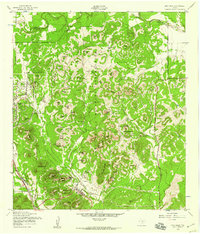 1953 Otis Ridge1959 Print · USGSBexar County ranching and military life intersect in the early fifties among the ridges north of San Antonio. Researchers can trace historic property lines like the Oppenheimer Ranch and military landmarks including Camp Stanley and the Landing Field.
 - 1953 Map of Culebra Hill, 1959 Print
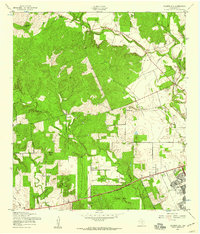 1953 Culebra Hill1959 Print · USGSBexar County’s rural landscape and expanding military footprint are visible here in the early 1950s. Trace old routes like the Spanish Trail past the Orphanage and the grounds of Culebra Sch and Hoffman Sch.
 - 1953 Map of Schertz, 1959 Print
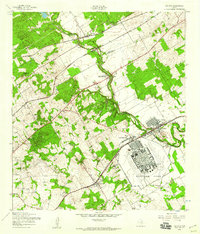 1953 Schertz1959 Print · USGSThe Texas countryside between San Antonio and Seguin comes alive in the mid-fifties as the rail-and-road network expanded around Randolph Field. Genealogists and historians can trace family-named sites like Davenport Cem, explore the early footprint of Schertz, and locate landmarks such as the Radio Tower (WOAI).
 - 1953 Map of San Antonio West, 1959 Print
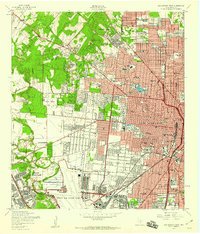 1953 San Antonio West1959 Print · USGSSan Antonio's western suburbs and massive military installations are captured in the early fifties, just as the city's post-war expansion began to accelerate. Genealogists and local historians can trace hundreds of city blocks, dozens of neighborhood schools like Jefferson High Sch, and major landmarks including St Marys University of Texas and Lackland Air Force Base.
 - 1953 Map of Bulverde, 1959 Print
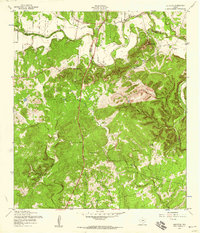 1953 Bulverde1959 Print · USGSDeep in the Texas Hill Country during the mid-fifties, this area shows a landscape of family-named peaks and small-scale rural life. Genealogists can trace early local sites like St Pauls Cem and St Pauls Ch near the banks of Cibolo Creek.
 - 1953 Map of San Antonio East, 1959 Print
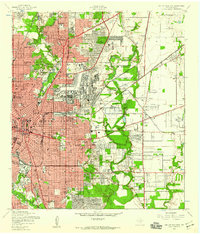 1953 San Antonio East1959 Print · USGSBexar County at the dawn of the fifties shows the rapid post-war growth of the city and its military installations. Genealogists can trace family plots across the National Cemetery and St Marys Cem or locate old institutions like St Anthonys Junior Seminary.
 - 1953 Map of Bat Cave, 1959 Print
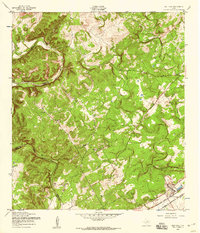 1953 Bat Cave1959 Print · USGSComal and Bexar counties meet in this mid-century Texas Hill Country survey where railroads and creeks define the landscape. Trace early family landmarks like the Weilbacher Cem, visit the Bracken Ch, or locate the namesake Bat Cave.
 - 1953 Map of Terrell Wells, 1959 Print
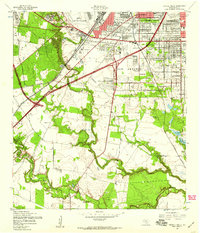 1953 Terrell Wells1959 Print · USGSThe southwest San Antonio suburbs were undergoing rapid mid-century growth as military hubs expanded in the 1950s. Genealogists and historians can trace neighborhood schools like Colliers Sch and the development of Columbia Heights near the sprawling Lackland AFB.
 - 1953 Map of Longhorn, 1959 Print
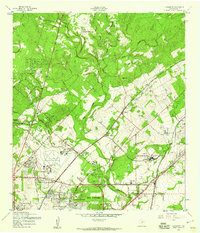 1953 Longhorn1959 Print · USGSNorthern San Antonio was a landscape in transition during the early fifties as aviation and modern highways began to reshape rural ranchlands. Genealogists and historians can trace family-named sites like Redland Ranch, Coker Cem, and the Wetmore settlement.
 - 1953 Map of Elmendorf, 1959 Print
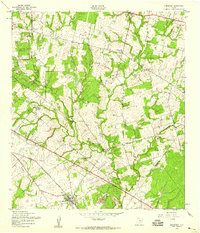 1953 Elmendorf1959 Print · USGSSoutheast of San Antonio in the early fifties, this area shows a landscape defined by the Southern Pacific rail line and active petroleum production. Genealogists can trace family names at the Cantu Cem and Flores Cem or locate the old Parita Ch.
 - 1953 Map of Macdona, 1959 Print
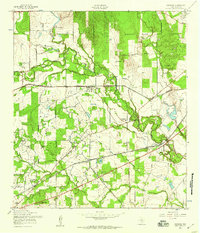 1953 Macdona1959 Print · USGSBexar County's rural southwest transition is on display in the 1950s as rail lines and military reservations shape the landscape. Genealogists can locate family-named sites like Luckey Ranch or research local congregations at Midway Ch and Sacred Heart Ch.
 - 1953 Map of Southton, 1959 Print
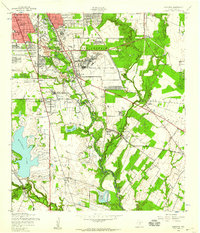 1953 Southton1959 Print · USGSSouth of San Antonio in the early fifties, the landscape was a mix of historic missions, expanding airfields, and active oil production. Genealogists and historians can trace Southton, the Espada Mission & Cemetery, and the early layout of Brooks Air Force Base.
 - 1953 Map of Helotes, 1959 Print
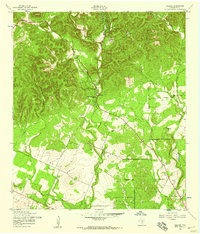 1953 Helotes1959 Print · USGSBexar County ranching and early rural development are captured here in the early fifties before the expansion of San Antonio. Researchers can locate the Helotes Sch, Zion Ch, and family landmarks near Government Canyon and Guilbeau.
 - 1953 Map of Castle Hills, 1959 Print
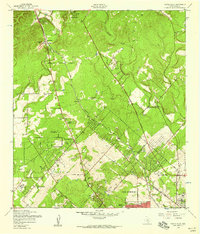 1953 Castle Hills1959 Print · USGSBexar County landscape is shown here in the mid-fifties as San Antonio's northern suburban growth begins to overtake rural ranch lands. Researchers can trace the development of Castle Hills and Shavano Park alongside legacy sites like Stowers Ranch and the Lockhill Sch.
 - 1953 Map of Martinez, 1959 Print
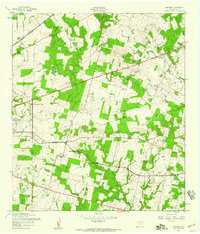 1953 Martinez1959 Print · USGSEastern Bexar County at the dawn of the fifties shows a landscape shaped by historical trails and strategic military aviation. Researchers can trace the development of China Grove and Martinez or locate the Martindale National Guard Airfield.
 - 1953 Map of Van Raub, 1959 Print
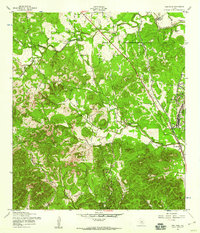 1953 Van Raub1959 Print · USGSBexar County ranch land and military outposts are detailed here in the early fifties. Genealogists can locate the Lower Balcones Sch, trace the Southern Pacific line near Van Raub, and find family sites near Leon Springs.
 - 1954 Map of San Antonio, 1964 Print
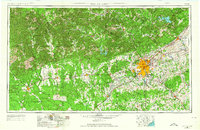 1954 San Antonio1964 Print · USGSSan Antonio and the Texas Hill Country are captured here in the mid-fifties, showing a landscape defined by massive military air bases and the rising Canyon Reservoir. Trace family ties through historic rail towns like D'Hanis and Castroville or explore the Cold War footprint of Lackland AFB and Randolph AFB.3 unique versions available
 - 1956 Map of Medina Lake
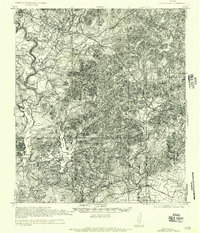 1956 Medina Lake1956 Print · USGSMedina Lake and the surrounding Texas highlands are captured here in the 1920s and early 1930s. Genealogists and local historians can trace family properties like Kallison Ranch and the Granieri Hotel, or locate landmarks such as the Mico P.O. and Toll Gate.
 - 1957 Map of San Antonio
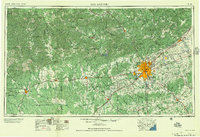 1957 San Antonio1957 Print · USGSSan Antonio and the Texas Hill Country are shown here during the mid-fifties, capturing the region's expanding post-war military and transportation footprint. Genealogists and local historians can trace the early residential boundaries of Alamo Heights or locate rural landmarks like St Hedwig and Medina Lake.
 - 1958 Map of Losoya, 1961 Print
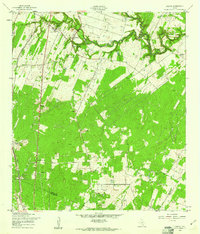 1958 Losoya1961 Print · USGSBexar County south of San Antonio was a landscape of river-valley settlements and rural education during the late 1950s. Genealogists and local historians can locate Our Lady of Mt Carmel Ch, the community of Losoya, and the Thelma Sch along the Missouri Pacific line.3 unique versions available
 - 1958 Map of Thelma, 1961 Print
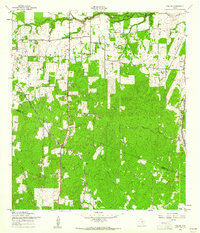 1958 Thelma1961 Print · USGSBexar County south of San Antonio is shown here in the late fifties as a landscape of rural settlements and oil extraction. Trace family roots and local history near Thelma, Oak Island, and the Thelma Tabernacle along the Missouri Pacific line.2 unique versions available
 - 1958 Map of Saspamco, 1961 Print
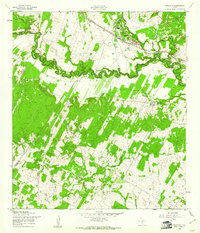 1958 Saspamco1961 Print · USGSThe San Antonio River valley south of San Antonio comes into focus in the late fifties, showing a rural landscape of small settlements and rail stops. Local researchers can trace family roots through sites like Guadalupe Ch and the quiet community of Graytown.2 unique versions available
 - 1958 Map of Saint Hedwig, 1961 Print
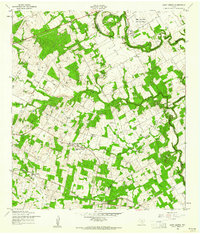 1958 Saint Hedwig1961 Print · USGSEast of San Antonio in the late fifties, this area shows the meeting point of Bexar, Guadalupe, and Wilson counties. Trace the rural landscape through Saint Hedwig and Zuehl, locating family landmarks like Goebel Sch and Hebron Ch.2 unique versions available
 - 1965 Map of Camp Bullis, 1966 Print
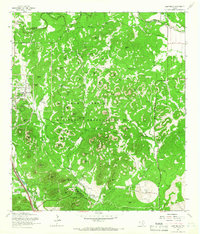 1965 Camp Bullis1966 Print · USGSBexar County was a hub of military training in the mid-1960s, defined by the expansive Leon Springs Military Reservation. Researchers can trace the Government Railroad and locate family landmarks like the Goforth Cem or Schasse Hill.2 unique versions available
 - 1966 Map of Culebra Hill, 1969 Print
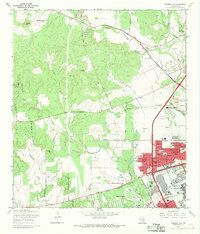 1966 Culebra Hill1969 Print · USGSBexar County experiences rapid suburban and military growth during the late sixties. Genealogists and historians can trace the development of Lackland City and Westwood Village near the historic Sociedad Cem and Medina Base.3 unique versions available
Showing maps 1-25 of 165
Top cities near San Antonio
- Schertz historical maps
- Universal City historical maps
- Converse historical maps
- Live Oak historical maps
- Leon Valley historical maps
- Selma historical maps
See more
Top neighborhoods of San Antonio
- Southton historical maps
- Boldtville historical maps
- Cassin historical maps
- Hilltop historical maps
- Westover Hills historical maps
- Stone Oak historical maps
See more
Frequently asked questions
- What are the different types of historical maps available for San Antonio?
- What is the oldest map of San Antonio?
- Where can I purchase historical maps of San Antonio for my home or office?
- Where can I download high-res historical maps of San Antonio?
- Are there historical topographic maps available for San Antonio?
- Is there historical aerial imagery available for San Antonio?
- Where are historical maps of San Antonio sourced from?