Old Maps of Cochran County, Texas for Metal Detecting
Plan your next treasure hunt with 125 historic maps of Cochran County. Find old homesites, ghost towns, trails, and gathering spots that may be lost to time — perfect for identifying promising metal detecting locations.
- Locate forgotten sites: Uncover places like long-lost settlements, abandoned rail lines, or gathering spots.
- Plan better hunts: Use map overlays combined with LiDAR or satellite views to narrow in on historically rich areas.
- Made for detectorists: Thousands of hobbyists use these maps to discover relics, coins, and hidden history.
Use these historic maps to boost your research and find new opportunities beneath the surface of Cochran County.
Cochran County, TX maps
(125)- 1954 Map of Brownfield, 1975 Print
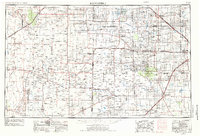 1954 Brownfield1975 Print · USGSThe High Plains of the Texas-New Mexico border are captured here in the mid-twentieth century, as ranching and oil extraction shaped the Llano Estacado. Genealogists and historians can trace small rural centers like Lums Chapel, Hillburn City, and the Friendship Sch amid a landscape of windmills.2 unique versions available
 - 1958 Map of Brownfield
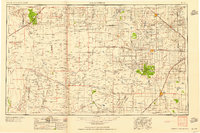 1958 Brownfield1958 Print · USGSThe High Plains of the Texas-New Mexico border are captured here during a mid-century oil boom. Genealogists and historians can trace old community sites like Lums Chapel and Tokio alongside the vast Levelland and Slaughter Oil and Gas Field.
 - 1962 Map of Brownfield
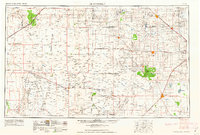 1962 Brownfield1962 Print · USGSThe High Plains of Texas and New Mexico are captured in the early sixties as a thriving hub of oil production and ranching. Researchers can trace the industrial footprint of the Levelland and Slaughter Oil and Gas Field or locate smaller towns like Sundown and Littlefield.
 - 1964 Map of Pep, 1966 Print
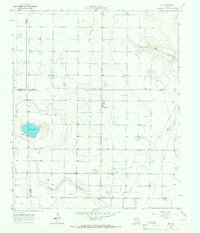 1964 Pep1966 Print · USGSThe rural community of Pep sits at the four-county junction of the High Plains during the mid-sixties. Local researchers can trace family landmarks like St Philips Cem, find numerous Wells, and follow the seasonal path of Yellow House Draw.
 - 1965 Map of Plains 1 NE, 1966 Print
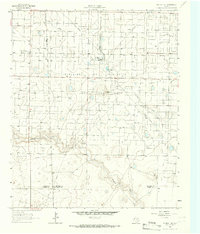 1965 Plains 1 NE1966 Print · USGSMid-century West Texas comes into focus as a center of petroleum and rail activity on the high plains. Researchers can trace the sprawling Levelland and Slaughter Oil and Gas Field, the Girls Town USA settlement, and the Atchison Topeka and Santa Fe line.2 unique versions available
 - 1965 Map of Pettit, 1966 Print
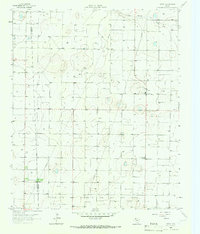 1965 Pettit1966 Print · USGSThe High Plains of West Texas are captured in the mid-1960s as petroleum production transformed the rural landscape. Researchers can trace the extensive Levelland and Slaughter Oil and Gas Field and local landmarks like Pettit and Whiteface Farms.2 unique versions available
 - 1965 Map of Whiteface, 1966 Print
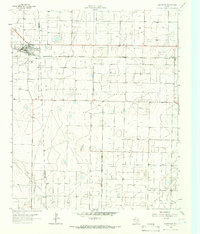 1965 Whiteface1966 Print · USGSThe High Plains of West Texas are captured in the mid-sixties, dominated by the vast Levelland and Slaughter Oil and Gas Field. Trace the industrial development of Whiteface along the Atchison Topeka and Santa Fe railroad.
 - 1969 Map of Maple, 1971 Print
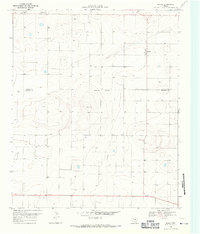 1969 Maple1971 Print · USGSThe High Plains of West Texas are captured here in the late sixties, showing a landscape defined by systematic ranching and the search for water. Researchers can locate the settlement of Maple, a remote Landing Strip, and the Bailey and Cochran County line.
 - 1969 Map of Enochs, 1971 Print
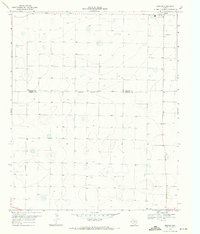 1969 Enochs1971 Print · USGSThe high plains of the Texas South Plains come into focus during the late sixties, centering on the rural hub of Enochs. Researchers can trace the agricultural footprint of the era through the locations of the local Cotton Gin, a Gravel Pit, and numerous scattered Wells.
 - 1969 Map of Lehman, 1973 Print
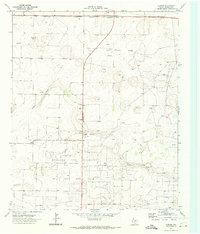 1969 Lehman1973 Print · USGSCochran County was a hub of energy and rail activity in the late sixties. Researchers can trace the industrial footprint of the Levelland and Slaughter Oil and Gas Field and the community of Lehman along the Atchison Topeka and Santa Fe railroad.
 - 1970 Map of Bronco NE, 1972 Print
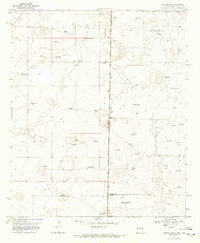 1970 Bronco NE1972 Print · USGSThe high plains borderland between New Mexico and Texas was a hive of energy production and ranching at the start of the seventies. Researchers can trace the development of the Buckshot Oil Field and locate family landmarks like Standefer Ranch or the Davis Windmill.
 - 1970 Map of Lingo, 1972 Print
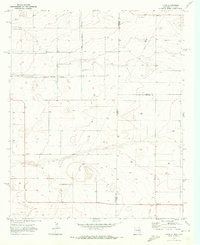 1970 Lingo1972 Print · USGSThe High Plains at the New Mexico and Texas border come alive in the early seventies, showing a landscape defined by ranching and resource extraction. Trace the footprint of small settlements like Lingo and Griffith alongside a Landing Field and a local Gravel pit.
 - 1970 Map of Bledsoe, 1973 Print
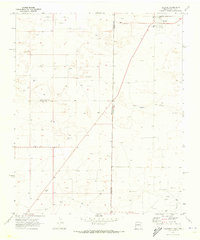 1970 Bledsoe1973 Print · USGSBledsoe was a vital railhead at the edge of the Texas Panhandle during the expansion of the Permian Basin's energy reaches. Genealogists and industrial historians can trace the Atchison Topeka and Santa Fe line and the early development of the Buckshot Oil Field.
 - 1970 Map of Morton SW, 1973 Print
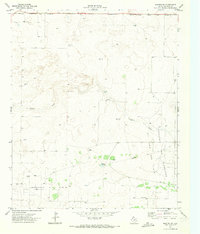 1970 Morton SW1973 Print · USGSCochran County is shown here at the height of its mid-century energy boom, as industrial extraction reshaped the West Texas landscape. Researchers can trace the exact locations of the Masten Ranch, the Atchison Topeka and Santa Fe railroad, and the sprawling Buckshot Oil Field.
 - 1970 Map of Whiteface SW, 1973 Print
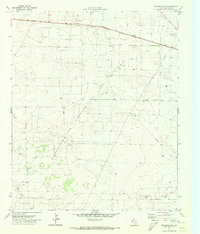 1970 Whiteface SW1973 Print · USGSThe West Texas plains in the early seventies reveal a landscape defined by the energy industry and heavy rail. Trace the vast network of the Levelland and Slaughter Gas Field and the path of the Atchison Topeka and Santa Fe railroad.
 - 1970 Map of Morton NW, 1973 Print
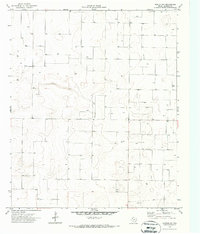 1970 Morton NW1973 Print · USGSThe high plains of Cochran County come into focus during the late 1960s, showing a landscape defined by agricultural grid lines and irrigation. Researchers can locate Armstrong and trace the extensive network of Wells and a Tank that supported the local ranching and farming economy.2 unique versions available
 - 1970 Map of Bledsoe NE, 1973 Print
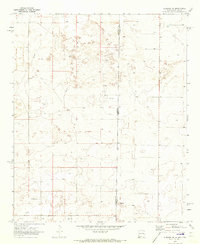 1970 Bledsoe NE1973 Print · USGSThe High Plains along the state line between New Mexico and Texas are shown in this 1970 survey of industry and ranching. Researchers can trace land usage through Drill Holes, find a small Cem, and locate early infrastructure like a Pipeline.
 - 1970 Map of Plains 1 NW, 1974 Print
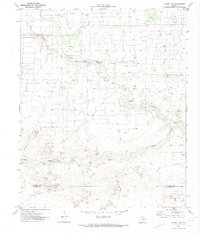 1970 Plains 1 NW1974 Print · USGSThe High Plains energy landscape of the early 1970s is captured here, centered on the intensive development of the Levelland and Slaughter Oil and Gas Field. Researchers can trace the industrial footprint of WT Slaughter Pumping Sta and local landmarks like Dean Ranch and Duggan.2 unique versions available
 - 1971 Map of Whiteface NW, 1973 Print
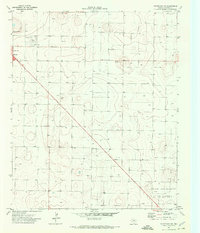 1971 Whiteface NW1973 Print · USGSCochran County is defined by the expansion of the energy sector and cattle culture in the early seventies. Genealogists and local historians can trace the footprint of Morton near the Rodeo Ground and the Levelland and Slaughter Oil and Gas Field.
 - 1971 Map of Schooler Ranch, 1973 Print
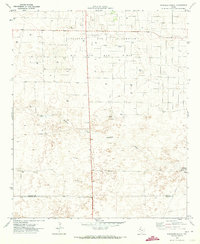 1971 Schooler Ranch1973 Print · USGSCochran County is captured during a peak era of petroleum production in the early 1970s. Researchers can locate family operations like Schooler Ranch and Close Ranch or trace the drainage of the South Fork Sulphur Draw across the oil fields.
 - 1971 Map of Morton, 1973 Print
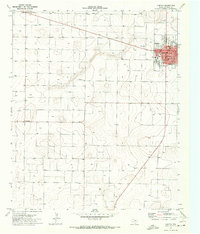 1971 Morton1973 Print · USGSCochran County agriculture and the town of Morton are captured here during the early seventies. Genealogists and local historians can trace the town street plan from Main St to the Cemetery and the outlying settlement of Famuliner.
 - 1971 Map of Two B Ranch NW, 1973 Print
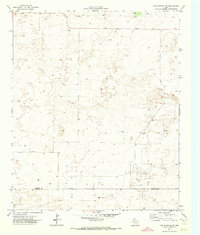 1971 Two B Ranch NW1973 Print · USGSThe West Texas plains at the start of the 1970s reveal a landscape shaped by petroleum and ranching along the Cochran and Yoakum County line. Researchers can trace the extensive Landon Oil Field or locate individual Oil Wells and a Gravel Pit among the scattered windmills.
 - 1974 Map of County Line, 1977 Print
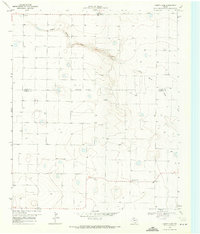 1974 County Line1977 Print · USGSCochran and Bailey Counties are captured in the late sixties as a network of High Plains farmsteads. Local historians can trace the foundations of this rural community through landmarks like the County Line Church, Bula High Sch, and the winding Yellow House Draw.
 - 1985 Map of Brownfield, 1986 Print
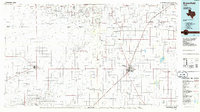 1985 Brownfield1986 Print · USGSThe South Plains of West Texas are shown here in the mid-1980s, revealing a landscape defined by massive petroleum operations and scattered rural townships. Genealogists and historians can trace the development of Brownfield and Sundown alongside the Atchison Topeka and Santa Fe rail line.2 unique versions available
 - 1985 Map of Levelland, 1986 Print
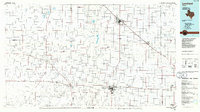 1985 Levelland1986 Print · USGSThe West Texas High Plains are captured here in the mid-eighties as oil production and agriculture defined the region's economy. Researchers can trace the sprawling Levelland and Slaughter Oil and Gas Field or locate rural landmarks like Lums Chapel and South Plains College.2 unique versions available
Showing maps 1-25 of 125
Top cities of Cochran County
Frequently asked questions
- What are the different types of historical maps available for Cochran County?
- What is the oldest map of Cochran County?
- Where can I purchase historical maps of Cochran County for my home or office?
- Where can I download high-res historical maps of Cochran County?
- Are there historical topographic maps available for Cochran County?
- Is there historical aerial imagery available for Cochran County?
- Where are historical maps of Cochran County sourced from?