Old Maps of Navarro, Texas for Hiking & Exploration
Hike through history with 30 historic maps of Navarro. Explore old trails, ghost towns, and forgotten backroads — perfect for outdoor adventurers and local explorers.
- Rediscover forgotten places: Map out old mining camps, roads, and footpaths that no longer exist on modern maps.
- Layer with modern tools: Combine with LiDAR or satellite views to plan hikes through historical terrain.
- Made for exploration: Popular among hikers, overlanders, and local history lovers.
Use these maps to find adventure and explore the hidden past of Navarro.
Navarro, TX maps
(30)- 1954 Map of Dallas, 1963 Print
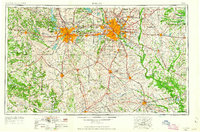 1954 Dallas1963 Print · USGSNorth Texas in the mid-fifties and early sixties reveals a landscape of rapid urban growth and water management. Genealogists and historians can trace the evolution of the metroplex through landmarks like Hensley Field, Boles Orphan Home, and the Texas & Pacific RR.4 unique versions available
 - 1954 Map of Waco, 1964 Print
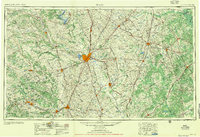 1954 Waco1964 Print · USGSCentral Texas during the mid-fifties shows a landscape defined by the expansion of Fort Hood Military Reservation and the Brazos river system. Trace the rail lines and early airfields like James Connally Air Force Base and settlements like Temple or McGregor.2 unique versions available
 - 1955 Map of Waco
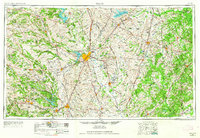 1955 Waco1955 Print · USGSCentral Texas at the peak of the Cold War reveals a landscape defined by military expansion and major water projects. Researchers can trace the footprints of Fort Hood, the waters of Lake Waco, and regional hubs like Temple or Mexia.
 - 1958 Map of Dallas
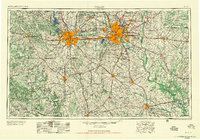 1958 Dallas1958 Print · USGSNorth Texas in the late fifties shows the dramatic expansion of the Metroplex as it absorbs surrounding farm towns. Genealogists and historians can trace old rail lines like the Missouri-Kansas-Texas and locate early lakefront developments at Eagle Mountain Lake and Lake Worth Village.
 - 1959 Map of Powell, 1961 Print
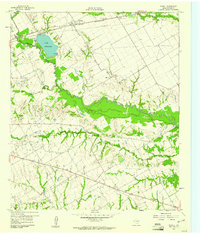 1959 Powell1961 Print · USGSNavarro County appears in the late fifties as a landscape of oil derricks and rural congregations during a period of steady industrial extraction. Genealogists and researchers can trace the locations of Providence Cem, Woods Chapel, and the Corsicana Oil Field.2 unique versions available
 - 1960 Map of Streetman, 1961 Print
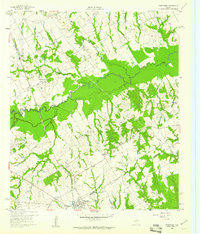 1960 Streetman1961 Print · USGSThe Navarro and Freestone county line comes alive in the early sixties, showing a landscape of rail-connected farming communities. Genealogists can locate family landmarks like Birdston Cem, Johnson Cem, and rural churches such as Friendship Ch.4 unique versions available
 - 1963 Map of Richland, 1966 Print
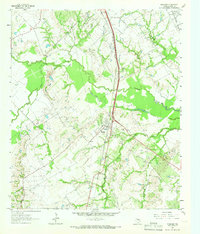 1963 Richland1966 Print · USGSThe Richland area in the early sixties is a study in Texas rail and oil history, centered on the crossing of the Southern Pacific and Fort Worth & Denver lines. Genealogists and researchers can trace local roots at Carroll Chapel Cem, Richland Sch, and the Powell Oil Field.2 unique versions available
 - 1965 Map of Corsicana, 1967 Print
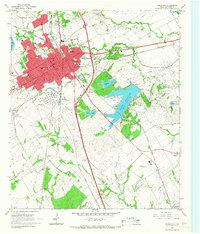 1965 Corsicana1967 Print · USGSMid-century Navarro County is defined here by its expanding energy sector and the industrial footprint of the rail lines. Researchers can trace family history at Woodland Cemetery or locate old school sites like Crockett School and the Mildred-Navarro School Substation.3 unique versions available
 - 1985 Map of Mexia
 1985 Mexia1985 Print · USGSLimestone and Freestone counties are shown in the mid-eighties as centers of rail-linked commerce and growing reservoir systems. Researchers can trace the grounds of Mexia State School, the campus of Westminster College, and historic Fort Parker.2 unique versions available
 - 1985 Map of Corsicana, 1986 Print
 1985 Corsicana1986 Print · USGSNorth Central Texas was defined by its expanding water reservoirs and deep-rooted rail corridors in the mid-eighties. Researchers can trace the heritage of local communities through landmarks like Southwestern Bible Institute, Navarro College, and rural markers such as Derrs Chapel.2 unique versions available
 - 2010 Map of Richland, 2010 Print
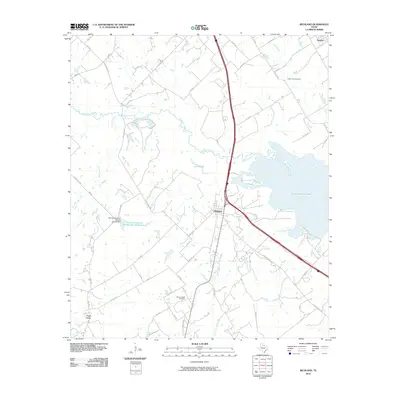 2010 Richland2010 Print · USGSRichland and the surrounding Navarro County countryside are captured here in the early twenty-first century as a landscape shaped by water and transit. Researchers can trace family roots at Grape Creek Cemetery or explore the geography of Pisgah Ridge and Texas Industries Lake.
 - 2010 Map of Streetman, 2010 Print
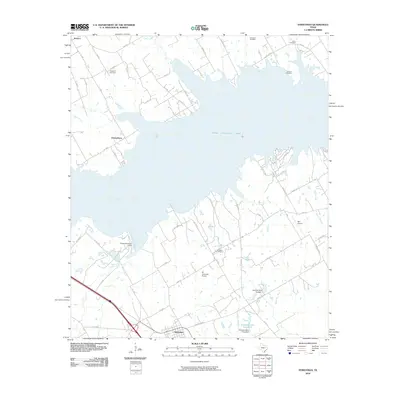 2010 Streetman2010 Print · USGSStreetman and the surrounding East Texas landscape are captured here in the early twenty-first century, centered on the waters of Texas Industries Lake. Genealogists can trace family connections through numerous burial grounds like Hopewell Cemetery, Birdston Cemetery, and Gunn Cemetery.
 - 2010 Map of Powell, 2010 Print
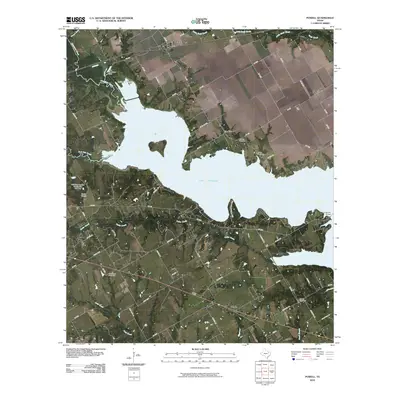 2010 Powell2010 Print · USGSNavarro County's lakeside landscape comes into focus in this early twenty-first-century survey of the area around Powell. Researchers can trace old family roots and community sites at Elm Flat Cemetery, Eureka, and the shores of Lake Corsicana.
 - 2010 Map of Corsicana, 2010 Print
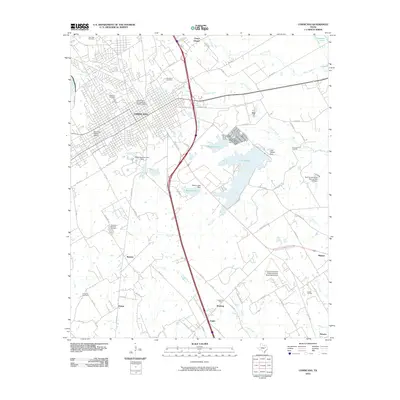 2010 Corsicana2010 Print · USGSCorsicana and its surrounding oil fields are captured here in the early twenty-first century. Genealogists and local historians can trace legacy sites from the Corsicana Commercial Historic District to rural landmarks like Pettys Chapel and Hamilton Beeman Cemetery.
 - 2012 Map of Corsicana, 2012 Print
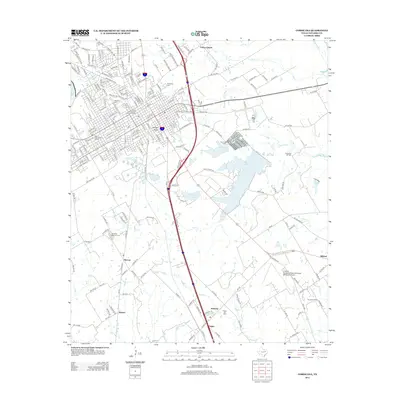 2012 Corsicana2012 Print · USGSCorsicana and its surrounding oil fields are captured here during the early twenty-first century, showcasing the area's mix of historic preservation and petroleum industry. Researchers can trace family roots at Hamilton Beeman Cem or explore small rural settlements like Pettys Chapel and Mustang.
 - 2012 Map of Powell, 2012 Print
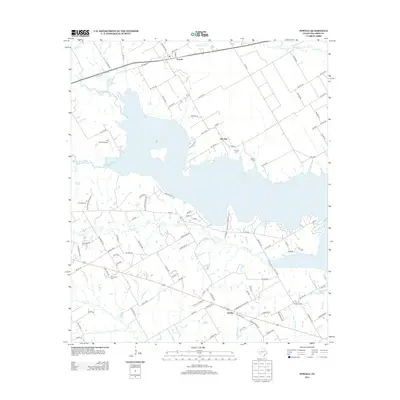 2012 Powell2012 Print · USGSNavarro County's rural landscape is captured here in the early twenty-first century, centered on the expansive waters of Lake Corsicana. Researchers can locate several burial sites including Woods Cem and Providence Cem, alongside the small communities of Powell and Eureka.
 - 2013 Map of Richland, 2013 Print
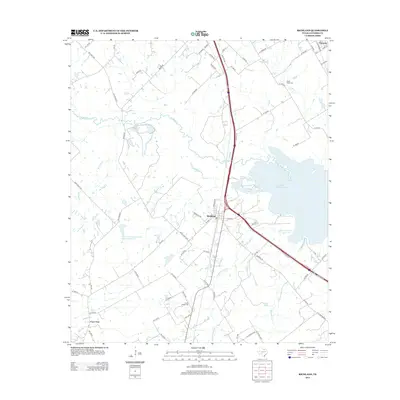 2013 Richland2013 Print · USGSNavarro County in the early twenty-first century reveals a landscape where traditional Texas ranching meets industrial water development. Researchers can locate family landmarks like Carroll Chapel Cem and trace the paths of Richland Cr and Pisgah Ridge.
 - 2013 Map of Streetman, 2013 Print
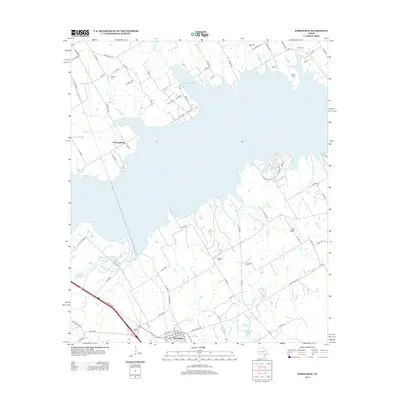 2013 Streetman2013 Print · USGSThe town of Streetman and its surrounding Navarro County ranch lands are shown here in the early twenty-first century. Genealogists can locate several historic burial sites, including Birdston Cem and Gunn Cem, alongside the waters of Texas Industries Lake.
 - 2016 Map of Richland, 2016 Print
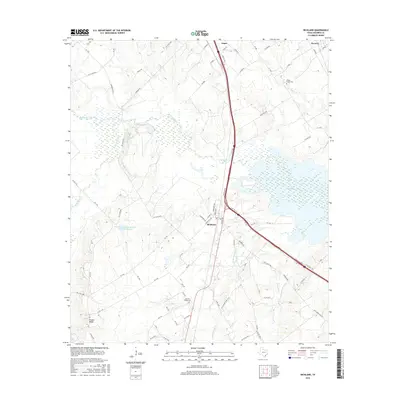 2016 Richland2016 Print · USGSNavarro County at the start of the twenty-first century reveals a landscape defined by industrial lakes and the legacy of rural settlements. Genealogists can trace family roots at Grape Creek Cem or locate the quiet crossroads of Angus and Pisgah Ridge.
 - 2016 Map of Streetman, 2016 Print
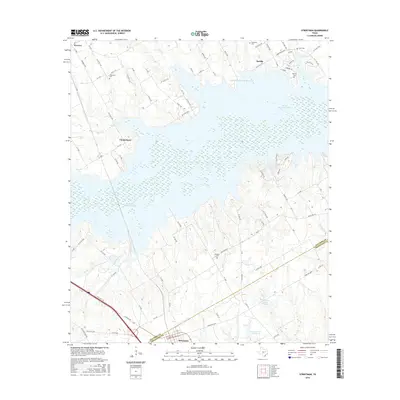 2016 Streetman2016 Print · USGSNavarro and Freestone counties are seen here as they appeared in the mid-2010s, dominated by the massive Richland-Chambers Reservoir. Researchers can trace local heritage through numerous cemeteries like Birdston Cem and Gunn Cem near the town of Streetman.
 - 2016 Map of Powell, 2016 Print
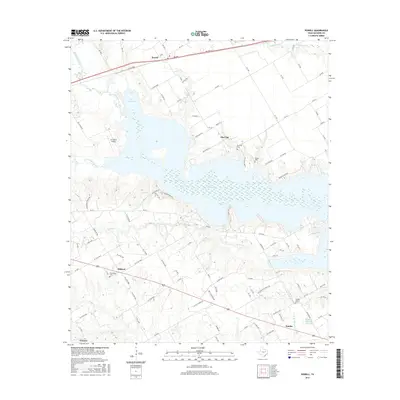 2016 Powell2016 Print · USGSNavarro County's water-rich landscape is detailed here in the mid-2010s, showing the intersection of rural life and major reservoirs. Researchers can locate ancestral sites at Providence Cem and Woods Cem or trace the settlements of Mildred and Powell.
 - 2016 Map of Corsicana, 2016 Print
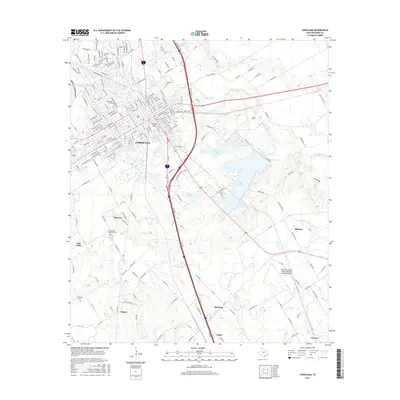 2016 Corsicana2016 Print · USGSCorsicana and its surrounding Navarro County settlements are captured here during a period of modern growth and infrastructure expansion. Researchers can trace family history at Oakwood Cemetery or explore smaller communities like Retreat and Mustang near Lake Halbert.
 - 2019 Map of Powell, 2019 Print
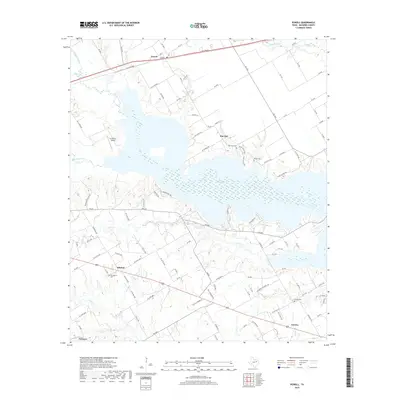 2019 Powell2019 Print · USGSNavarro County's rural heartland is captured here in the late 2010s as traditional settlements meet the expansive waters of Lake Corsicana. Genealogists can locate family landmarks like Providence Cem and Eureka Cem or trace the old roads through Mildred and Elm Flat.
 - 2019 Map of Corsicana, 2019 Print
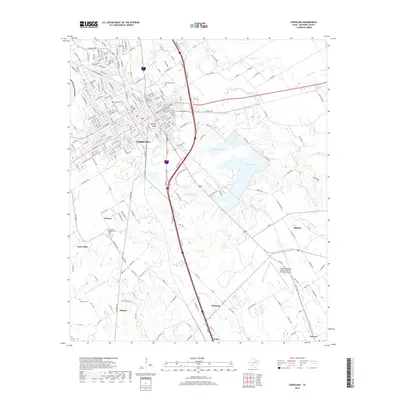 2019 Corsicana2019 Print · USGSNavarro County in the late 2010s shows a landscape where the dense urban grid of Corsicana meets the open waters of Lake Halbert. Researchers can trace family history at Oakwood Cem or locate rural communities such as Retreat, Oak Valley, and Mildred.
 - 2019 Map of Richland, 2019 Print
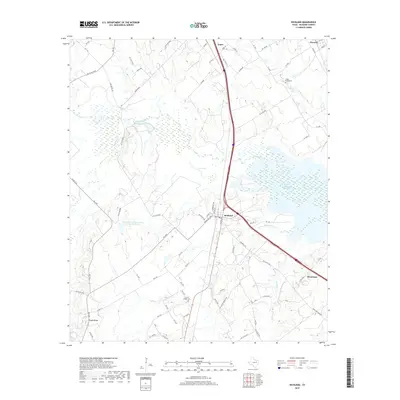 2019 Richland2019 Print · USGSNavarro County in the late 2010s shows a landscape of modern transit corridors intersecting with long-established rural settlements. Researchers can trace family history at Grape Creek Cem and Carroll Chapel Cem or locate landmarks like Pisgah Ridge and Texas Industries Lake.
Showing maps 1-25 of 30
Top cities near Navarro
- Corsicana historical maps
- Tool historical maps
- Kerens historical maps
- Trinidad historical maps
- Wortham historical maps
- Rice historical maps
See more
Frequently asked questions
- What are the different types of historical maps available for Navarro?
- What is the oldest map of Navarro?
- Where can I purchase historical maps of Navarro for my home or office?
- Where can I download high-res historical maps of Navarro?
- Are there historical topographic maps available for Navarro?
- Is there historical aerial imagery available for Navarro?
- Where are historical maps of Navarro sourced from?