1960s Maps of Sherman County, Texas
Explore 13 historic maps of Sherman County from the 1960s. These maps offer a rare glimpse into what life looked like during the 1960s — showing old roads, neighborhoods, homes, and landmarks that have changed or disappeared over time.
Whether you're researching your family's past, planning a metal detecting trip, or studying how Sherman County's landscape evolved across the 1960s, these high-resolution maps are a powerful tool for exploring the history of this region.
- Focus on a specific era: All maps on this page are from the 1960s, giving you a focused view of this time period.
- See what’s changed: Compare century-old streets, trails, and buildings to today's modern landscape using overlays and satellite layers.
- Research with precision: Use these maps for genealogy, historical research, land use analysis, or educational projects.
- View, download, or print: Maps are fully viewable online in high resolution, and can be downloaded or printed for your own records.
Start exploring Sherman County's history through authentic maps from the 1960s. This is your window into the past.
Sherman County, TX maps
(13)- 1962 Map of Dalhart
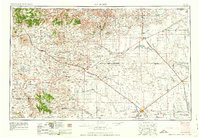 1962 Dalhart1962 Print · USGSThe High Plains and volcanic peaks of the tri-state area are shown in detail during the early sixties. Genealogists and historians can trace the rail corridors of the Fort Worth and Denver and find industrial sites like the Cactus Ordnance Works or the Beaver Meade & Englewood Grain Elevator.
 - 1963 Map of Cactus East, 1966 Print
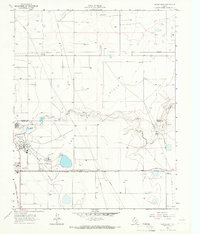 1963 Cactus East1966 Print · USGSThe High Plains industry of the early sixties comes into focus at the intersection of Sherman and Moore counties. Trace the rail-and-oil economy through the Sunray Gas and Oil Field, the Etter settlement, and Sheerin Junction.
 - 1964 Map of Brickel, 1966 Print
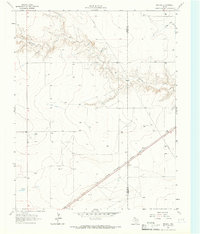 1964 Brickel1966 Print · USGSThe high plains of the Texas Panhandle near the Sherman County line are captured in the mid-sixties. Researchers can trace the path of the Chicago Rock Island and Pacific railroad and the winding course of Coldwater Creek.
 - 1964 Map of Kerrick, 1966 Print
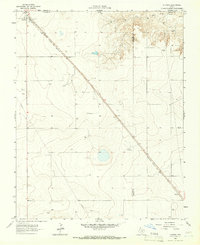 1964 Kerrick1966 Print · USGSDallam County at the edge of the Texas Panhandle is captured here in the mid-1960s, showing a landscape shaped by rail and agriculture. Researchers can trace the Atchison Topeka and Santa Fe railroad through Kerrick and past rural landmarks like Mallett and local Oil Wells.
 - 1964 Map of Stevens SW, 1966 Print
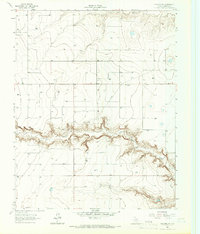 1964 Stevens SW1966 Print · USGSSherman County was a landscape of expanding energy production and cattle ranching during the mid-sixties. Researchers can trace the development of local infrastructure through the Pipeline network, a lonely Grave, and the winding course of Coldwater Creek.
 - 1964 Map of Stratford, 1966 Print
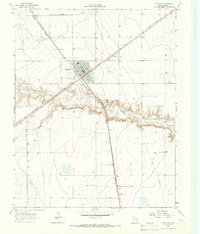 1964 Stratford1966 Print · USGSStratford flourished as a critical Texas Panhandle rail junction during the mid-sixties, where two major lines intersected amidst a growing petroleum landscape. Researchers can trace the legacy of the Atchison Topeka and Santa Fe railroad, the Stratford Airfield, and the local High School.
 - 1964 Map of Stratford NE, 1966 Print
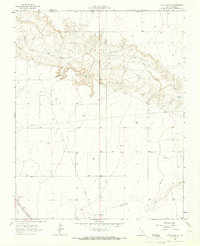 1964 Stratford NE1966 Print · USGSSherman County in the mid-1960s is defined by the deep breaks of the North Canadian River and the steady growth of the petroleum industry. Researchers can trace the path of the Atchison Topeka and Santa Fe railroad or locate several Oil Wells across the panhandle plains.
 - 1965 Map of Lautz, 1966 Print
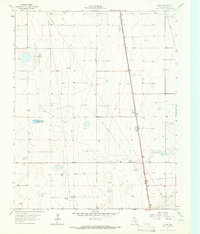 1965 Lautz1966 Print · USGSSherman County is captured during the mid-1960s, showing a Texas Panhandle landscape defined by the railroad and early energy development. Trace family sites at Whaley Cem or follow the Atchison Topeka and Santa Fe rail line past the Grain Elevator at Lautz.
 - 1965 Map of Conlen, 1966 Print
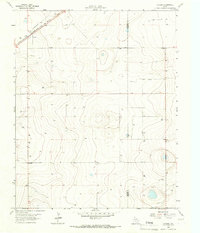 1965 Conlen1966 Print · USGSDallam and Sherman counties in the mid-1960s reveal a quiet landscape of agricultural transport and groundwater development. Researchers can trace the rail-side infrastructure at Conlen, from the Grain Elevator to the nearby Landing Strip and Quarry.
 - 1965 Map of Cactus West, 1966 Print
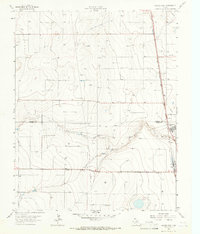 1965 Cactus West1966 Print · USGSThe Texas Panhandle comes alive in the mid-sixties at the industrial junction of Cactus and Etter. Trace the intersection of the Atchison Topeka and Santa Fe railroad with early energy infrastructure like Gas Wells and the North Palo Duro Creek drainage.
 - 1965 Map of Spurlock Chapel, 1966 Print
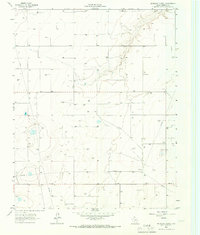 1965 Spurlock Chapel1966 Print · USGSSherman County in the mid-1960s reveals a landscape transitioning through energy development and rural industry. Genealogists and historians can locate Spurlock Chapel and the community of Folsom, along with a network of PIPELINES and a Pumping Sta.
 - 1965 Map of Exum, 1966 Print
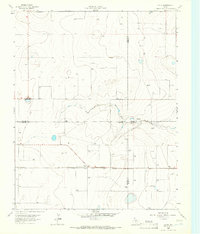 1965 Exum1966 Print · USGSThe Texas Panhandle plains meet at a four-county junction during the mid-1960s, showing a landscape defined by grain transport and emerging energy. You can trace the CHICAGO ROCK ISLAND AND PACIFIC rail line to the Storage Bins at Exum and follow the seasonal waters of North Palo Duro Creek.
 - 1965 Map of Stevens, 1966 Print
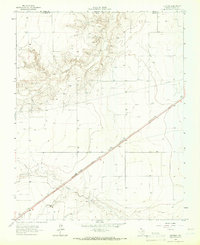 1965 Stevens1966 Print · USGSSherman County in the mid-1960s shows a landscape of high plains industrialism and rail-line settlements. You can trace the path of the Chicago Rock Island and Pacific railroad through Stevens and Elliot or locate dozens of early Gas Wells.
End of results
Showing maps 1-13 of 13
Top cities of Sherman County
Frequently asked questions
- What are the different types of historical maps available for Sherman County?
- What is the oldest map of Sherman County?
- Where can I purchase historical maps of Sherman County for my home or office?
- Where can I download high-res historical maps of Sherman County?
- Are there historical topographic maps available for Sherman County?
- Is there historical aerial imagery available for Sherman County?
- Where are historical maps of Sherman County sourced from?