1950s Maps of Willacy County, Texas
Explore 27 historic maps of Willacy County from the 1950s. These maps offer a rare glimpse into what life looked like during the 1950s — showing old roads, neighborhoods, homes, and landmarks that have changed or disappeared over time.
Whether you're researching your family's past, planning a metal detecting trip, or studying how Willacy County's landscape evolved across the 1950s, these high-resolution maps are a powerful tool for exploring the history of this region.
- Focus on a specific era: All maps on this page are from the 1950s, giving you a focused view of this time period.
- See what’s changed: Compare century-old streets, trails, and buildings to today's modern landscape using overlays and satellite layers.
- Research with precision: Use these maps for genealogy, historical research, land use analysis, or educational projects.
- View, download, or print: Maps are fully viewable online in high resolution, and can be downloaded or printed for your own records.
Start exploring Willacy County's history through authentic maps from the 1950s. This is your window into the past.
Willacy County, TX maps
(27)- 1952 Map of Green Island, 1953 Print
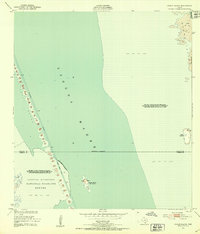 1952 Green Island1953 Print · USGSThe South Texas coast comes alive in the early 1950s, showing the intersection of wildlife conservation and maritime commerce. Trace the dredging of the Intracoastal Waterway past the Green Island (Bird Sanctuary) and the wild Shifting Sand Dunes of Padre Island.2 unique versions available
 - 1952 Map of North Of Port Isabel NW, 1953 Print
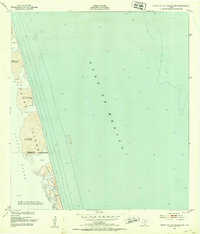 1952 North Of Port Isabel NW1953 Print · USGSCoastal Texas was still a wild frontier of drifting dunes and shallow lagoons in the early fifties. Genealogists and historians can trace the small settlement of Camwill and landmarks like the Negro station among the Shifting sand dunes of Padre Island.2 unique versions available
 - 1952 Map of South of Potrero Lopeno SE, 1953 Print
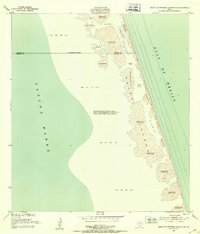 1952 South of Potrero Lopeno SE1953 Print · USGSPadre Island remained a wild, shifting landscape of dunes and tides during the early fifties. Genealogists and coastal historians can trace the exact 1950 shoreline and survey markers like Harena among the Shifting Sand Dunes and Laguna Madre.3 unique versions available
 - 1952 Map of Hawk Island, 1953 Print
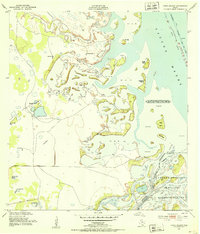 1952 Hawk Island1953 Print · USGSThe South Texas coast comes alive in the early 1950s where the brushland meets the Laguna Madre. Local history researchers can trace the ranching life through named sites like Loma Alta Well and the waters of the Arroyo Colorado.3 unique versions available
 - 1952 Map of Port Mansfield, 1953 Print
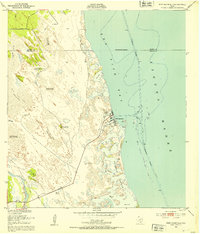 1952 Port Mansfield1953 Print · USGSThe Texas coast near Port Mansfield is captured here in the early fifties, showing a landscape of maritime industry and ranching water sources. Researchers can locate named landmarks like the Landing Field, the Julian Well, and the Agua Gorda Well.2 unique versions available
 - 1952 Map of South of Potrero Lopeno, 1957 Print
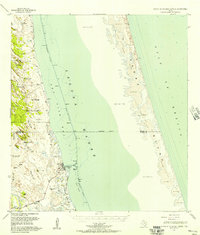 1952 South of Potrero Lopeno1957 Print · USGSThe South Texas coast during the early fifties reveals a landscape of isolated artesian wells and developing maritime access. Genealogists and local historians can trace the foundations of Port Mansfield or locate historic water sites like Mujeres Wells and Sausel Well.2 unique versions available
 - 1953 Map of Brownsville
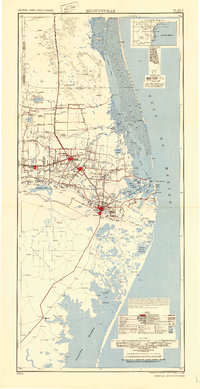 1953 Brownsville1953 Print · USGSSouth Texas ranchlands and the Lower Rio Grande Valley are captured here in the early fifties as the region's irrigation and shipping networks expanded. Genealogists and historians can trace family landholdings like Tecolote Ranch or follow the route of the St Louis Brownsville and Mexico rail line through Sebastian and Yturria.
 - 1954 Map of McAllen
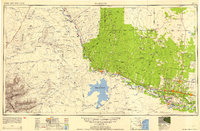 1954 McAllen1954 Print · USGSThe Lower Rio Grande Valley in the mid-fifties is captured here as a burgeoning hub of agriculture, oil, and international trade. Researchers can trace the extensive rail lines of the St Louis Brownsville and Mexico or locate rural landmarks like Tacubaya School and Clay Dusting Service.
 - 1955 Map of La Leona, 1957 Print
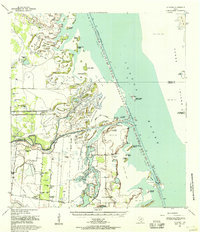 1955 La Leona1957 Print · USGSCoastal Texas ranching comes to life in the mid-fifties along the Laguna Madre. Researchers can trace the layout of traditional family lands including Los Coyotes Ranch and Rancho Nuevo as they appeared before modern coastal changes.2 unique versions available
 - 1955 Map of North Of Port Isabel, 1957 Print
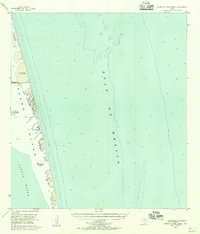 1955 North Of Port Isabel1957 Print · USGSThe South Texas coast in the mid-1950s remained a landscape of moving earth and isolated outposts. Trace the early shoreline of Padre Island and locate remote named points like Los Tanques and Los Bancos de en Medio.
 - 1955 Map of La Leona, 1957 Print
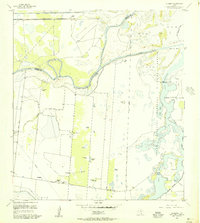 1955 La Leona1957 Print · USGSIn the mid-1950s, the South Texas coastline was a patchwork of cattle operations and tidal wetlands. Trace family roots at La Leona Cem or locate historical holdings like Miradores Ranch and Totman Ranch along the Arroyo Colorado.4 unique versions available
 - 1956 Map of San Perlita South, 1958 Print
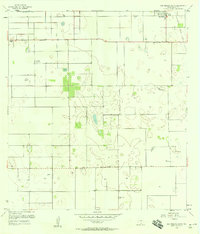 1956 San Perlita South1958 Print · USGSWillacy County in the mid-fifties is captured here as a landscape of coastal prairie and organized drainage projects. Genealogists and local historians can trace family locations near San Perlita and Porfirio, or locate the small Cem and private flight paths like the Cole Landing Strip (Private).3 unique versions available
 - 1956 Map of La Sal Vieja, 1958 Print
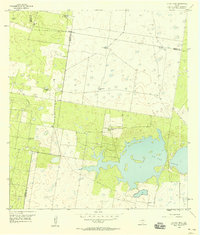 1956 La Sal Vieja1958 Print · USGSThe South Texas brush country at the edge of the Rio Grande Valley was a landscape of remote cattle ranches and emerging energy fields in the mid-fifties. Researchers can trace the heritage of local ranching through named sites like La Sal Vieja Ranch and a network of water sources including San Leonardo Windmill and the Stillman Windmill.2 unique versions available
 - 1956 Map of San Perlita North, 1958 Print
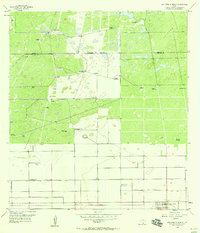 1956 San Perlita North1958 Print · USGSCoastal Texas ranching and early oil exploration meet at the Kenedy-Willacy line in the mid-1950s. Genealogists and historians can trace family-named sites like Punta del Monte Ranch and the Old Railroad Grade near the San Perlita border.2 unique versions available
 - 1956 Map of Santa Rosa, 1958 Print
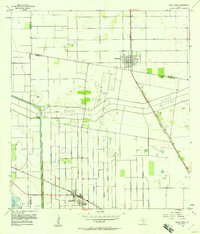 1956 Santa Rosa1958 Print · USGSThe Rio Grande Valley's irrigation and rail network are captured here in the mid-1950s as agriculture reshaped the Cameron County landscape. Researchers can trace historic cemeteries like San Rafael Cem and follow the path of the North Floodway.3 unique versions available
 - 1956 Map of Willamar SW, 1958 Print
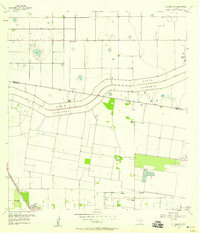 1956 Willamar SW1958 Print · USGSMid-century Cameron County was a landscape defined by industrial irrigation and agricultural labor just as the region’s modern infrastructure took shape. Trace local family history at the Noyola Cem and Bracero Camp or follow the path of the Missouri Pacific rail line.3 unique versions available
 - 1956 Map of Willamar, 1958 Print
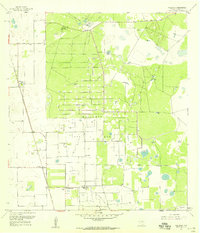 1956 Willamar1958 Print · USGSWillacy County during the mid-fifties petroleum boom shows a landscape transformed by industry and ranching. Genealogists can trace family footprints at El Sauz Ranch and La Jarita Cem or follow the Old Railroad Grade through Willamar.3 unique versions available
 - 1956 Map of Yturria, 1958 Print
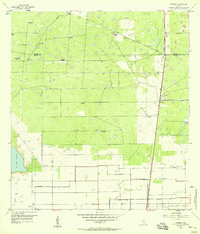 1956 Yturria1958 Print · USGSCoastal South Texas ranching and rail life are frozen in time during the mid-fifties along the Missouri Pacific line. Genealogists and historians can locate family landmarks like Garcia Ranch, the namesake settlement of Yturria, and the specialized windmills of La Sal Vieja.2 unique versions available
 - 1956 Map of El Jardin, 1958 Print
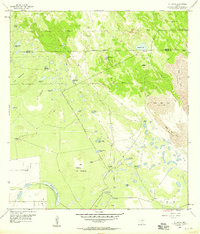 1956 El Jardin1958 Print · USGSCoastal Texas ranching country comes into focus in the mid-1950s as a land of windmills and deep artesian wells. Genealogists and researchers can trace local landmarks like the San Francisco Ranch (Site), Laguna la Sal, and the Monterrey Artesian Well.
 - 1956 Map of Raymondville, 1958 Print
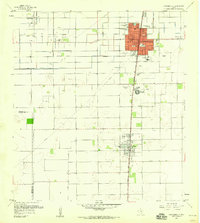 1956 Raymondville1958 Print · USGSRaymondville and Lyford are captured during the mid-century transition from ranching to a mix of irrigated farming and oil production. Genealogists and historians can trace family locations near Northward Sch, the Fox Airport, and La Piedad Cementerio Numero Dos.3 unique versions available
 - 1956 Map of La Sal Vieja, 1959 Print
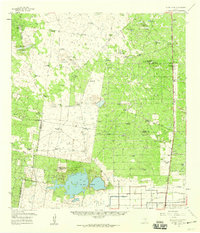 1956 La Sal Vieja1959 Print · USGSSouth Texas ranching country in the mid-1950s was a landscape of isolated outposts and artesian wells. Genealogists and historians can trace family ranch lands like Andrea Ranch and La Sal Vieja Ranch or follow the Missouri Pacific rail stops at Rudolph and Yturria.
 - 1956 Map of Rosita Lake, 1959 Print
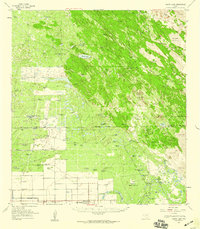 1956 Rosita Lake1959 Print · USGSCoastal South Texas ranchlands meet the northern edge of the Rio Grande Valley agricultural zone in the mid-1950s. Researchers can trace the Old Railroad Grade and locate scattered cattle operations like the Punta del Monte Ranch and San Francisco Ranch.
 - 1956 Map of Paso Real, 1959 Print
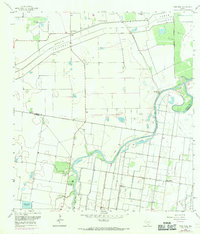 1956 Paso Real1959 Print · USGSThe Rio Grande Valley's hydraulic landscape is on full display in the mid-1950s as ranching and flood control reshape the borderlands. Researchers can trace family history at Tanquesitos Cem, locate the early settlement of Paso Real, or find the original footprint of Camp Perry.3 unique versions available
 - 1956 Map of Brownsville, 1969 Print
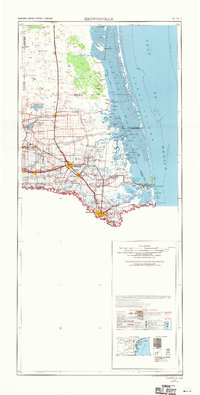 1956 Brownsville1969 Print · USGSThe Texas-Mexico borderlands and the Gulf coast come alive in this mid-century survey of the Rio Grande Valley. Genealogists and historians can trace the reach of the Missouri Pacific rail lines through citrus country to schools like Las Yescas and Palm Grove.2 unique versions available
 - 1956 Map of Port Isabel, 1983 Print
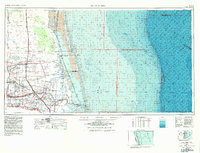 1956 Port Isabel1983 Print · USGSCoastal Texas and the Rio Grande Valley are shown here in the mid-twentieth century as the region balanced intensive agriculture with maritime trade. Researchers can trace historic rail lines like the SOUTHERN PACIFIC and locate rural landmarks such as Las Yescas Sch or the Armstrong Ranch.
Showing maps 1-25 of 27
Top cities of Willacy County
- Raymondville historical maps
- Lyford historical maps
- Sebastian historical maps
- Lasara historical maps
- San Perlita historical maps
- Port Mansfield historical maps
Frequently asked questions
- What are the different types of historical maps available for Willacy County?
- What is the oldest map of Willacy County?
- Where can I purchase historical maps of Willacy County for my home or office?
- Where can I download high-res historical maps of Willacy County?
- Are there historical topographic maps available for Willacy County?
- Is there historical aerial imagery available for Willacy County?
- Where are historical maps of Willacy County sourced from?