Old Maps of Antimony, Utah for Metal Detecting
Plan your next treasure hunt with 37 historic maps of Antimony. Find old homesites, ghost towns, trails, and gathering spots that may be lost to time — perfect for identifying promising metal detecting locations.
- Locate forgotten sites: Uncover places like long-lost settlements, abandoned rail lines, or gathering spots.
- Plan better hunts: Use map overlays combined with LiDAR or satellite views to narrow in on historically rich areas.
- Made for detectorists: Thousands of hobbyists use these maps to discover relics, coins, and hidden history.
Use these historic maps to boost your research and find new opportunities beneath the surface of Antimony.
Antimony, UT maps
(37)- 1885 Map of Beaver
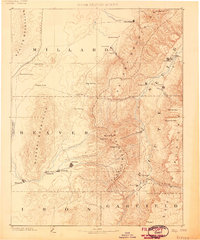 1885 Beaver1885 Print · USGSSouth-central Utah in the 1880s was a landscape of high plateaus and valley settlements tied to the lifelines of the Sevier River and Beaver Creek. Family researchers can trace early town layouts in Beaver and Fillmore or locate rural outposts like Minersville and Kanosh.5 unique versions available
 - 1885 Map of Fish Lake
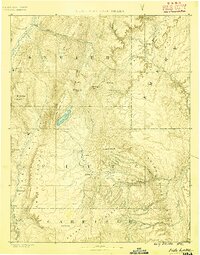 1885 Fish Lake1885 Print · USGSThe high plateaus and early canyon settlements of central Utah are documented here in the mid-1880s, shortly after the Powell Survey. Genealogists and historians can trace early families in Salina, Antimony, and Cousharem, or locate remote sites like Bean Spring.
 - 1896 Map of Fish Lake, 1899 Print
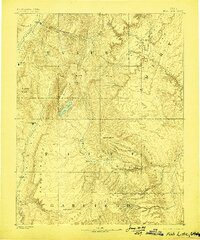 1896 Fish Lake1899 Print · USGSSouthern Utah in the late nineteenth century is a land of high plateaus and isolated river settlements. Trace early pioneer outposts like Thurber, Teardale, and Antimony alongside geological marvels such as Fish Lake and the Water Pocket Flexure.4 unique versions available
 - 1953 Map of Richfield, 1963 Print
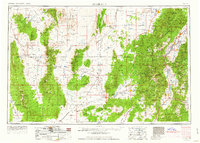 1953 Richfield1963 Print · USGSCentral Utah in the early fifties reveals a complex geography of high plateaus and desert basins tied together by the Union Pacific rail lines. Genealogists and historians can trace family roots in Richfield or Kanosh and locate remote operations like the Blue Star Mine or Newhouse.3 unique versions available
 - 1956 Map of Salina
 1956 Salina1956 Print · USGSCentral Utah in the mid-fifties reveals a landscape of high plateaus and desert basins before the modern highway era. Researchers can trace the ranching and mining roots of Hanksville and Loa or locate the Lucky Strike Mine near the San Rafael Swell.5 unique versions available
 - 1958 Map of Richfield
 1958 Richfield1958 Print · USGSCentral Utah in the late fifties shows a landscape of mountain forests and desert basins connected by the Union Pacific Railroad. Genealogists and historians can trace rail stops at Nada Station, mines like the Blue Star Mine, and tribal lands of the Paiute Indian Reservation.2 unique versions available
 - 1960 Map of Salina
 1960 Salina1960 Print · USGSThe high plateaus and canyonlands of south-central Utah appear in the early sixties as a region of remote ranching towns and developing parklands. Researchers can trace historic settlements like Fruita and Loa or locate the uranium mines and the tracks of the Denver and Rio Grande Western RR.2 unique versions available
 - 1962 Map of Salina
 1962 Salina1962 Print · USGSSevier County and the surrounding desert wilderness appear here in the early sixties as a network of isolated river valley towns and high-altitude forests. Researchers can locate remote landmarks like Fruita, trace the Denver & Rio Grande Western RR, and find backcountry sites like the Aquarius Ranger Station.
 - 1970 Map of Angle, 1972 Print
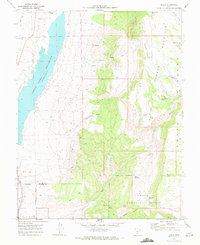 1970 Angle1972 Print · USGSThe high plateau country of south-central Utah is captured here in the early 1970s, as ranching and water management shaped the Piute and Garfield County line. Trace local landmarks like Nicks Cabin, the waters of Otter Creek Reservoir, and the high-altitude Bedspring Pass.
 - 1970 Map of Antimony, 1972 Print
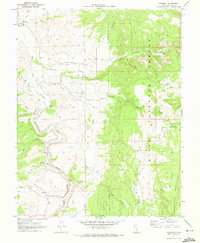 1970 Antimony1972 Print · USGSThe town of Antimony and the Sevier River valley are captured here in the early seventies, just as the region's ranching and water infrastructure reached a modern peak. Genealogists and researchers can trace the Antimony Cem, locate old Landing Strips, and find the Mill (Ruins) near the national forest boundary.2 unique versions available
 - 1971 Map of Phonolite Hill, 1974 Print
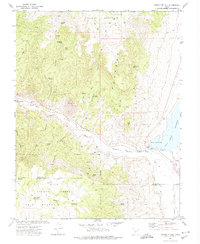 1971 Phonolite Hill1974 Print · USGSThe high plateaus of Piute and Garfield counties are captured here in the early seventies during a period of active forest management and water engineering. Genealogists and historians can trace family-named landmarks like Sams Cabin, Hodge Ranch Spring, and the waterways near Otter Creek Reservoir.
 - 1971 Map of Deep Creek, 1974 Print
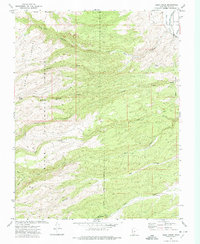 1971 Deep Creek1974 Print · USGSThe high plateau country of Garfield County is captured here in the early 1970s, as the wilderness slopes meet the Sevier River valley. Researchers can trace the water systems of the East Fork and Canal near Antimony or follow trails through Pole Canyon and the Dixie National Forest.
 - 1980 Map of Loa
 1980 Loa1980 Print · USGSCentral Utah's high plateaus and the Fremont River corridor are captured here during the 1980s, showcasing a landscape of high-elevation reservoirs and remote ranching outposts. Genealogists can trace family names and early settlements from Loa and Teasdale to the orchards of Fruita.2 unique versions available
 - 1980 Map of Beaver, 1981 Print
 1980 Beaver1981 Print · USGSSouthern Utah at the start of the 1980s reveals a rugged landscape of high mountain plateaus and essential desert irrigation networks. Researchers can trace the path of the Denver and Rio Grande Western through Marysvale or locate local landmarks like the Deer Trail Mine and Puffer Lake.2 unique versions available
 - 2002 Map of Deep Creek, 2005 Print
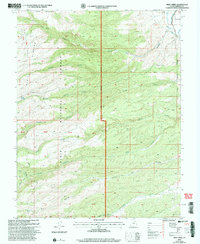 2002 Deep Creek2005 Print · USGSGarfield County's high plateau country is documented here at the turn of the millennium, showing a landscape defined by forest management and mountain hydrology. Researchers can trace the path of the Antimony Canal and identify landmarks like Mount Dutton and Table Mountain.
 - 2002 Map of Angle, 2005 Print
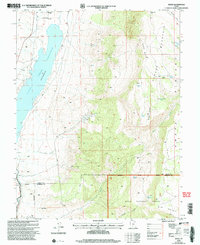 2002 Angle2005 Print · USGSCentral Utah's high plateau country is captured here during the turn of the millennium. Genealogists and historians can trace family-named sites like Nicks Cabin, find the Antimony Airstrip, and locate the small community of Angle.
 - 2002 Map of Phonolite Hill, 2005 Print
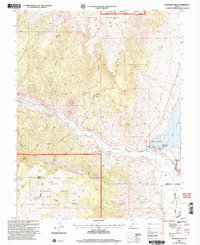 2002 Phonolite Hill2005 Print · USGSHigh mountain forests and river canyons define the border of Piute and Garfield counties at the turn of the millennium. Genealogists and historians can trace high-country life through Sams Cabin, the Hodge Ranch Spring, and the grazing lands of Corral Flat.
 - 2011 Map of Antimony, 2011 Print
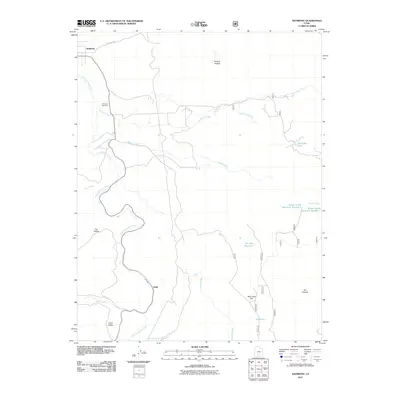 2011 Antimony2011 Print · USGSGarfield County's high-country water systems and small settlements are documented here during the early twenty-first century. Genealogists and researchers can locate the Antimony Cemetery, the community of Osiris, and landmarks like Dan Day Reservoir or Johns Valley.
 - 2011 Map of Angle, 2011 Print
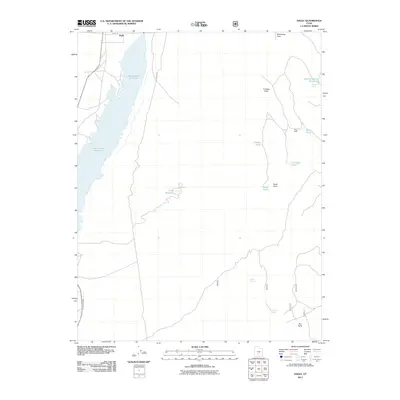 2011 Angle2011 Print · USGSThe high plateau country north of Antimony is captured here in the early twenty-first century, centered on the ranching community of Angle. Genealogists and historians can trace family-named landmarks like Nicks Cabin and Forshea Spring.
 - 2011 Map of Phonolite Hill, 2011 Print
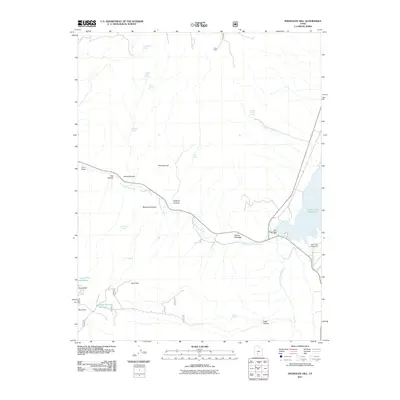 2011 Phonolite Hill2011 Print · USGSGarfield County's high-plateau water systems are on display here in the early twenty-first century. Researchers can trace the drainage of the East Fork Sevier River through landmarks like Phonolite Hill and the Otter Creek Reservoir.
 - 2011 Map of Deep Creek, 2011 Print
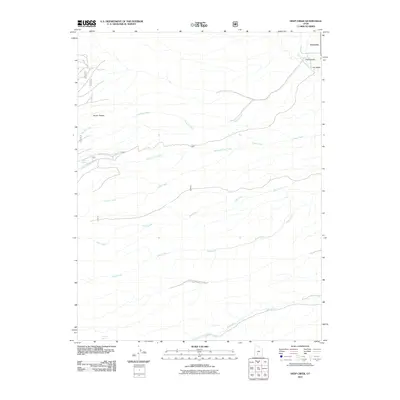 2011 Deep Creek2011 Print · USGSAntimony and the eastern slopes of the Sevier Plateau appear in this 2011 survey of the high Utah backcountry. Genealogists and researchers can trace the rugged drainages of Deep Creek, the East Fork Sevier River, and Deer Creek Black Canyon.
 - 2014 Map of Angle, 2014 Print
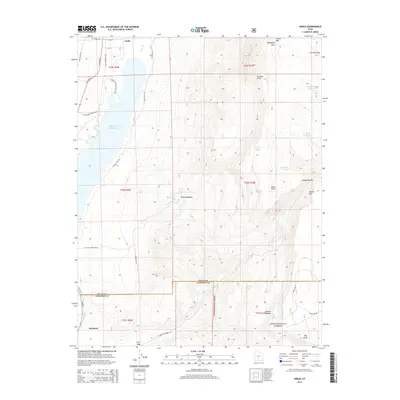 2014 Angle2014 Print · USGSThe high plateau country along the Piute and Garfield County line is captured here in the early twenty-first century. Researchers can trace water and grazing history from the Otter Cr Reservoir to upland points like Little Meadows and Forshea Spring.
 - 2014 Map of Phonolite Hill, 2014 Print
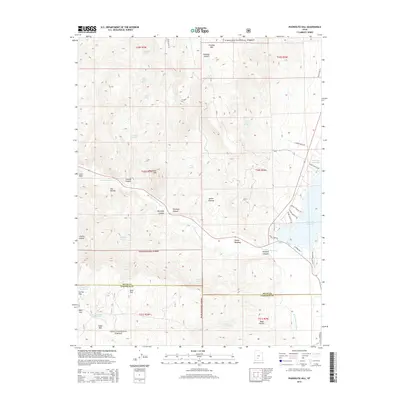 2014 Phonolite Hill2014 Print · USGSThe high plateau country along the Piute and Garfield county line is shown here in the early twenty-first century. Researchers can trace the water infrastructure of the Sevier Plateau, from the Otter Cr Reservoir to the Blood Mine Spring and Hodge Ranch Rd.
 - 2014 Map of Deep Creek, 2014 Print
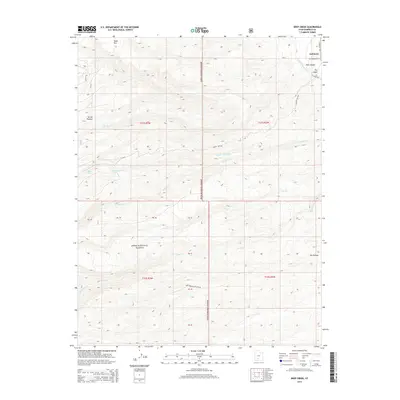 2014 Deep Creek2014 Print · USGSAntimony and the surrounding Garfield County highlands are captured here in the early twenty-first century, showing the remote settlement near the E Fork Sevier River. Trace the mountain geography from the Sevier Plateau to the depths of Deer Creek-Black Canyon and Pole Canyon.
 - 2014 Map of Antimony, 2014 Print
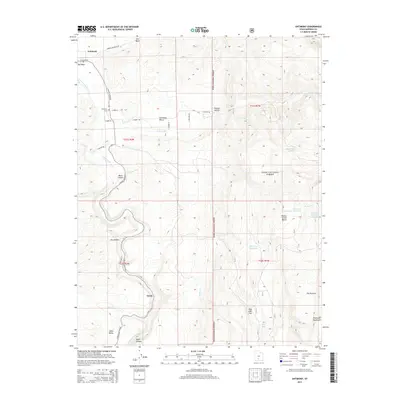 2014 Antimony2014 Print · USGSSettled at the edge of the Escalante Mountains, this region centers on the community of Antimony during the early twenty-first century. Researchers can trace land use through Antimony Bench and identify local family landmarks like Antimony Cem and Osiris.
Showing maps 1-25 of 37
Top cities near Antimony
Frequently asked questions
- What are the different types of historical maps available for Antimony?
- What is the oldest map of Antimony?
- Where can I purchase historical maps of Antimony for my home or office?
- Where can I download high-res historical maps of Antimony?
- Are there historical topographic maps available for Antimony?
- Is there historical aerial imagery available for Antimony?
- Where are historical maps of Antimony sourced from?