Old Maps of Vermont
Explore 1,003 old maps of Vermont, spanning from 1886 to today. These high-resolution historic maps reveal how streets, neighborhoods, landmarks, and natural features evolved over time — perfect for genealogy, metal detecting, research, and local history exploration.
What you can do with these maps:
- See how Vermont changed over time: Compare historical maps to modern-day views to trace roads, homesites, rail lines & more.
- View detailed metadata: Each map includes creators, publishers, year, scale, and archive source.
- Overlay maps with satellite & LiDAR: Visualize the past alongside modern tools to explore terrain & human change.
- Trusted historical sources: Maps sourced from the USGS, Library of Congress, and other archives.
- Access maps your way: View online, download high-res files, or order prints for personal or research use.
Start exploring old maps of Vermont to uncover forgotten places, hidden landmarks, and the deep history beneath your feet.
Vermont maps
(1,003)- 1886 Map of Greylock
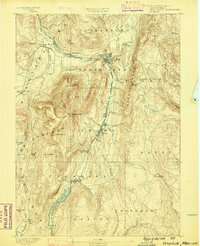 1886 Greylock1886 Print · USGSThe northern Berkshires are captured here in the mid-1880s, dominated by the massif of Mt Greylock and the industrial valleys below. Genealogists and researchers can trace the vital rail links through the Hoosac Tunnel Line and find old neighborhood names like Blackington, Cheshire Harbor, and Savoy Hollow.
 - 1886 Map of Hawley
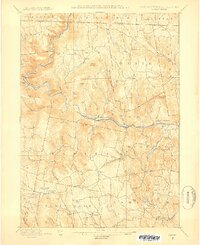 1886 Hawley1886 Print · USGSThe northern Berkshires and Vermont border are captured in the late 1800s as railroads began to pierce the highlands. Trace the engineering of the Hoosac Tunnel or locate old settlements like Monroe Bridge and Buckland Four Corners.
 - 1887 Map of Warwick
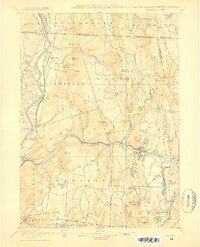 1887 Warwick1887 Print · USGSUpper Massachusetts and the New Hampshire border at the close of the nineteenth century reveal a landscape of river-powered industry and rail-connected villages. Researchers can trace the path of the Fitchburg R.R. through Millers Falls or locate early river crossings like Munns Ferry.
 - 1888 Map of Berlin
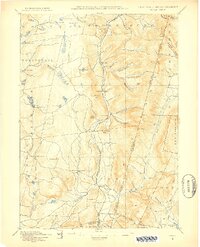 1888 Berlin1888 Print · USGSRensselaer County at the close of the nineteenth century was a region of high ridges and narrow rail-linked valleys. Researchers can trace the path of the Lebanon Springs Railroad and locate vanished farmsteads in Barber Hollow or Mc Master Hollow.2 unique versions available
 - 1889 Map of Warwick
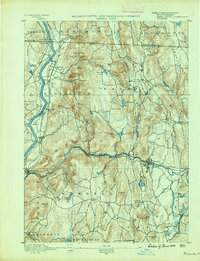 1889 Warwick1889 Print · USGSFranklin County in the late 1880s was defined by its busy rail junctions and river valleys. Genealogists and historians can trace the development of Orange and Northfield, or locate vanished rail stops like Gill Station and Wendell Depot along the Fitchburg Railroad.
 - 1889 Map of Wilmington
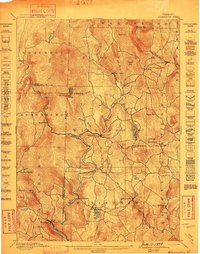 1889 Wilmington1889 Print · USGSSouthern Vermont in the late nineteenth century was a landscape of steep mountain ridges and river-driven commerce. Genealogists can trace family names and small hamlets like Heartwellville, Davis Bridge, and the Hoosac Tunnel and Wilmington R.R.7 unique versions available
 - 1890 Map of Hawley
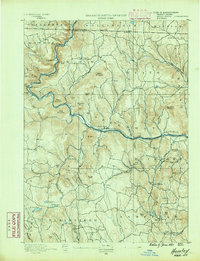 1890 Hawley1890 Print · USGSFranklin County and the Vermont borderlands are shown here in the 1880s as the railroad era transformed the Deerfield Valley. Trace the path of the Fitchburg Railroad through the Hoosac Tunnel or find old roads in Hawley and Ashfield.
 - 1890 Map of Berlin
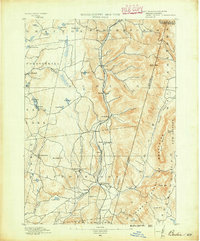 1890 Berlin1890 Print · USGSThe New York and Massachusetts borderlands in the 1880s were a landscape of steep ridges and rail-connected valley towns. Genealogists and historians can trace the old corridors of the Lebanon Springs Railroad and locate vanished family landmarks near Berlin Center, Garfield, and East Poestenkill.
 - 1890 Map of Greenfield
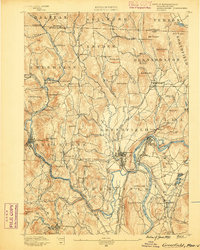 1890 Greenfield1890 Print · USGSFranklin County's industrial and rail corridors are captured in the late nineteenth century as the river valleys pulsed with water-powered manufacturing. Genealogists and historians can trace the foundations of Turners Falls, the layout of Lake Pleasant Camp Ground, and the rail connections at Conway Depot.
 - 1891 Map of Wilmington
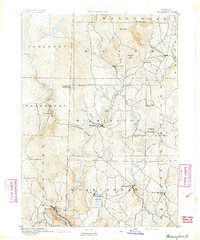 1891 Wilmington1891 Print · USGSSouthern Vermont in the early 1890s was a landscape of mountain hamlets and river-valley industry. You can trace the Hoosac Tunnel and Wilmington R.R. or locate historic settlements like Readsboro Falls, Jacksonville, and West Dover.
 - 1891 Map of Greylock
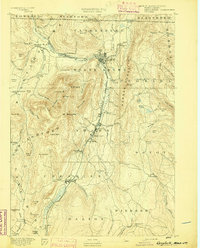 1891 Greylock1891 Print · USGSThe northern Berkshires are captured here in the late nineteenth century as rail lines and textile centers transformed the rugged valley floor. Genealogists and hikers can trace old homesteads and landmarks like Mt Greylock, the Hoosac Tunnel Line, and the vanished site of Arnoldsville.
 - 1891 Map of Brattleboro
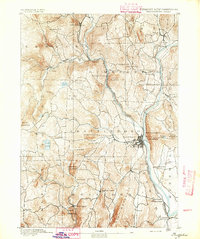 1891 Brattleboro1891 Print · USGSSouthern Vermont’s industrial and rail corridors are captured here in the late nineteenth century as the region transitioned into a hub for trade. Genealogists and local historians can trace the early rail stops at Putney Station, Dummerston Station, and the rural layout of Guilford Center.
 - 1891 Map of Rutland, 1956 Print
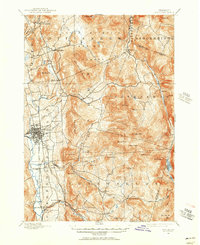 1891 Rutland1956 Print · USGSRutland and its surrounding mountain townships appear here during the expansion of the rail era in the late nineteenth century. Genealogists and historians can trace the early rail networks of the Central Vermont Railroad or locate family roots in communities like North Chittenden, East Pittsford, and Mendon.
 - 1893 Map of Wallingford
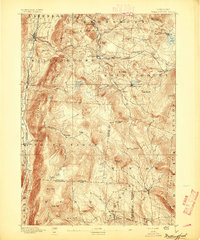 1893 Wallingford1893 Print · USGSThe Green Mountains of Rutland County appear in the 1890s as a landscape of busy rail corridors and upland villages. Genealogists can trace family names and small industrial hubs like Mechanicsville, Cuttingsville, and the remote mountain settlement of Griffith.8 unique versions available
 - 1893 Map of Brattleboro
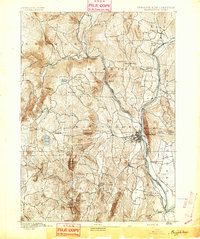 1893 Brattleboro1893 Print · USGSWindham County at the close of the nineteenth century reveals a landscape defined by its river-valley railroads and hill-country settlements. Genealogists and historians can trace defunct rail stops like Williamsville Station and Dummerston Station or locate family landmarks near Ginseng Hill and Hinesburg.7 unique versions available
 - 1893 Map of Greylock
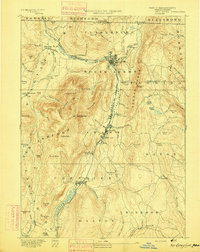 1893 Greylock1893 Print · USGSThe Northern Berkshires were at an industrial peak in the late 1800s, centered on the vital rail and water corridors of the Hoosic Valley. Researchers can trace the engineering of the Hoosac Tunnel Line and find historic mill settlements like Maple Grove and Cheshire Harbor.
 - 1893 Map of Rutland
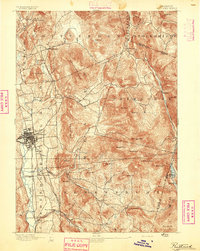 1893 Rutland1893 Print · USGSThe rail hub of the Green Mountains thrives in the 1890s as several lines converge in the valley below the great peaks. Researchers can trace the early rail stops at Cold River Sta. or locate high-altitude settlements like North Chittenden and North Sherburne.8 unique versions available
 - 1893 Map of Fort Ann, 1954 Print
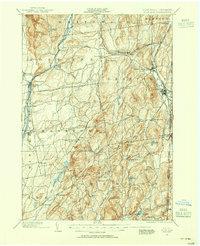 1893 Fort Ann1954 Print · USGSWashington County was a crossroads of canal and rail commerce in the late nineteenth century. Genealogists and local historians can trace the foundations of Granville, locate family homes near Chamberlain Mills, and follow the path of the Abandoned Delaware and Hudson Canal.2 unique versions available
 - 1893 Map of Whitehall, 1954 Print
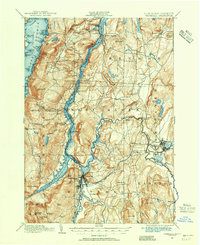 1893 Whitehall1954 Print · USGSThe borderlands of New York and Vermont are captured here during the peak of the canal and rail era. Genealogists and local historians can trace the transit networks of the Champlain Canal and find family-named points like Snody Dock, Benson Landing, and Howard Hill.
 - 1894 Map of Berlin
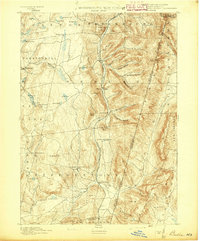 1894 Berlin1894 Print · USGSThe Rensselaer and Berkshire borderlands come alive in the late nineteenth century, showing a landscape of valley settlements and upland hollows. Trace the path of the Lebanon Springs Railroad as it connects Berlin Center, North Stephentown, and Garfield.
 - 1894 Map of Greenfield
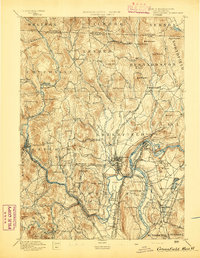 1894 Greenfield1894 Print · USGSFranklin County's industrial river valleys are captured here in the late 19th century as rail lines and water power drove local growth. Genealogists and historians can trace the foundations of Turner Falls, the transit hub at Cheapside, and the historic village of Deerfield.10 unique versions available
 - 1894 Map of Port Henry
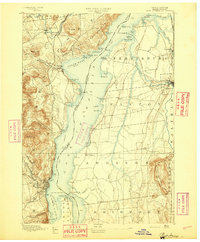 1894 Port Henry1894 Print · USGSLake Champlain was a bustling corridor of steamships and rail lines during the 1890s, bridging the gap between New York and Vermont. Historians can trace the strategic layout of Crown Point, locate the French Fort Ruins, and explore industrial sites like Wadhams Mills.
 - 1894 Map of Plattsburg
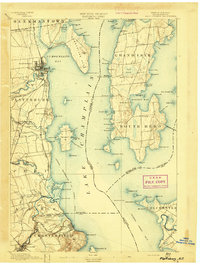 1894 Plattsburg1894 Print · USGSLake Champlain was a bustling corridor of steamer routes and rail lines in the 1890s. Researchers can trace the layout of Plattsburg Barracks, find the Hotel Champlain at Bluff Point, and explore the islands of GRAND ISLE and South Hero.3 unique versions available
 - 1894 Map of Hawley
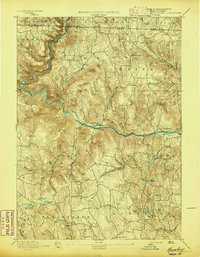 1894 Hawley1894 Print · USGSThe northern Berkshires in the late nineteenth century are defined by the Deerfield River and the legendary Hoosac Tunnel rail route. Researchers can trace old upland hamlets like Spruce Corner, locate riverside settlements such as Monroe Bridge, and study the early rail network through Zoar.8 unique versions available
 - 1894 Map of Londonderry
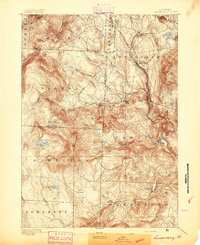 1894 Londonderry1894 Print · USGSSouthern Vermont in the 1890s was a land of high ridges and isolated mountain hollows. Researchers can trace the early layout of South Londonderry and find now-quiet settlements like Bucketville and Wardsboro Center.
Showing maps 1-25 of 1,003
Top cities of Vermont
- Burlington historical maps
- South Burlington historical maps
- Colchester historical maps
- Rutland City historical maps
- Essex historical maps
- Essex Junction historical maps
See more
Top counties of Vermont
- Chittenden County historical maps
- Rutland County historical maps
- Washington County historical maps
- Windsor County historical maps
- Windham County historical maps
- Bennington County historical maps
See more
Frequently asked questions
- What are the different types of historical maps available for Vermont?
- What is the oldest map of Vermont?
- Where can I purchase historical maps of Vermont for my home or office?
- Where can I download high-res historical maps of Vermont?
- Are there historical topographic maps available for Vermont?
- Is there historical aerial imagery available for Vermont?
- Where are historical maps of Vermont sourced from?