1900s (20th Century) Maps of Logan County, West Virginia
Explore 71 historic maps of Logan County from the 1900s (20th Century). These maps offer a rare glimpse into what life looked like during the 1900s — showing old roads, neighborhoods, homes, and landmarks that have changed or disappeared over time.
Whether you're researching your family's past, planning a metal detecting trip, or studying how Logan County's landscape evolved across the 1900s, these high-resolution maps are a powerful tool for exploring the history of this region.
- Focus on a specific era: All maps on this page are from the 1900s, giving you a focused view of this time period.
- See what’s changed: Compare century-old streets, trails, and buildings to today's modern landscape using overlays and satellite layers.
- Research with precision: Use these maps for genealogy, historical research, land use analysis, or educational projects.
- View, download, or print: Maps are fully viewable online in high resolution, and can be downloaded or printed for your own records.
Start exploring Logan County's history through authentic maps from the 1900s. This is your window into the past.
Logan County, WV maps
(71)- 1902 Map of Midkiff, 1925 Print
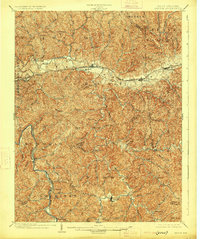 1902 Midkiff1925 Print · USGSLincoln and Cabell Counties at the turn of the century show a region transitioning through the arrival of the railroad and the growth of river-valley commerce. Family historians can trace early property sites and communities like Milton, Hamlin, and the historic Blue Sulphur Springs along the Mud River corridor.
 - 1907 Map of Midkiff, 1964 Print
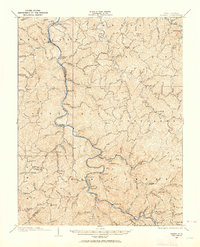 1907 Midkiff1964 Print · USGSThe Guyandotte River valley is captured here in the early twentieth century, showing a network of small settlements and rail lines. Genealogists can trace family roots through labels like Laverne PO Brown City, Griffithsville, and Ranger.
 - 1909 Map of Matewan
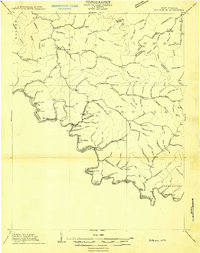 1909 Matewan1909 Print · USGSMingo County was a landscape of coal camps and rail sidings during the first decade of the twentieth century. Researchers can trace early family homesites near Thacker Mines, Red Jacket, and the small post offices at Edgarton and Okeeffe.
 - 1909 Map of Midkiff
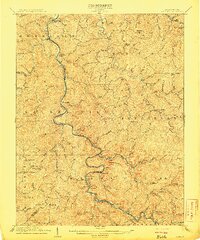 1909 Midkiff1909 Print · USGSLincoln County at the turn of the century is defined by the winding Guyandot River and its accompanying rail line. Genealogists can trace early homesteads and post offices in communities like Griffithsville, Luzerne PO (Brown City), and Spurlockville.3 unique versions available
 - 1909 Map of Gilbert
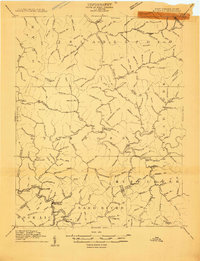 1909 Gilbert1909 Print · USGSSouthern West Virginia at the height of the coal and rail expansion is shown here through its dense network of river-valley settlements and mountain gaps. Genealogists can trace early homesteads and rail stops like Glenalum Sta, Wharncliffe, and Twisted Gun Gap.
 - 1910 Map of Pineville
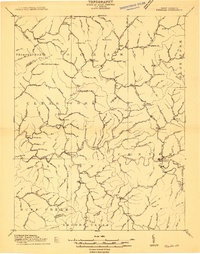 1910 Pineville1910 Print · USGSWyoming County at the dawn of the twentieth century was a landscape of deep hollows and high ridges connected by the Guyandot River. Genealogists can trace family footprints in early settlements like Baileysville, Oceana, and near the old McDonald Mill.2 unique versions available
 - 1910 Map of Bald Knob
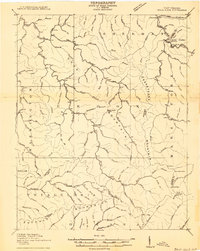 1910 Bald Knob1910 Print · USGSSouthern West Virginia in the early twentieth century was a landscape of remote mountain gaps and emerging rail corridors. Genealogists and historians can trace early settlements like Jarrolds Valley and Van, or locate historic crossing points like Walnut Gap and Indian Gap.2 unique versions available
 - 1910 Map of Holden
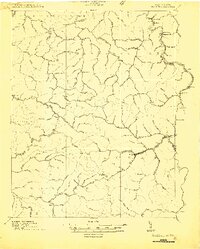 1910 Holden1910 Print · USGSLogan County’s rugged coalfield landscape is captured here in the early 1900s as development followed the winding Guyandot River. Researchers can trace old family-named settlements like Mc Cloud, Whirlwind, and Halcyon tucked into the hollows.
 - 1911 Map of Madison
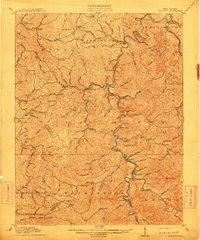 1911 Madison1911 Print · USGSBoone and Lincoln counties appear here in the early twentieth century as the rail network began to reshape the coal-bearing valleys. Researchers can trace early infrastructure through the Chesapeake and Ohio line and settlements like Madison, Uneeda, and Danville.2 unique versions available
 - 1912 Map of Bald Knob
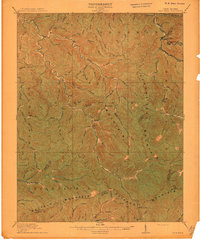 1912 Bald Knob1912 Print · USGSBoone County and the surrounding coalfields are captured in the early twentieth century as rail lines began to penetrate the deep Appalachian hollows. Genealogists and historians can trace early settlements at Whitesville, Jarrolds Valley, and Gordon alongside the growing C. and O. R. R. line.3 unique versions available
 - 1912 Map of Gilbert
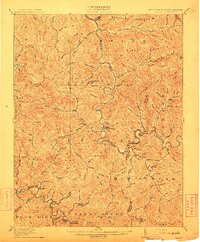 1912 Gilbert1912 Print · USGSThe Guyandot River valley and the industrial Tug Fork corridor define this region in the early nineteen-hundreds. Researchers can trace rail-tied settlements like Wharncliffe and War Eagle or find rural landmarks such as Twisted Gun Gap and North Spring.2 unique versions available
 - 1912 Map of Pineville
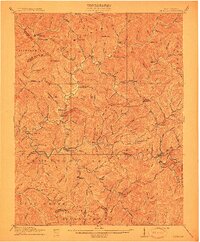 1912 Pineville1912 Print · USGSWyoming County at the dawn of the twentieth century shows a landscape of river-valley settlements and high ridges. Researchers can locate early homesteads and community centers like Baileysville, Pineville, and the remote Sun Hill along the Huff Mountain range.
 - 1912 Map of Holden
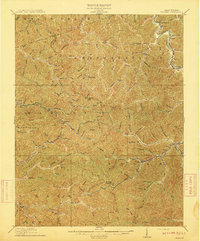 1912 Holden1912 Print · USGSSouthern West Virginia’s coal and rail landscape comes into focus at the dawn of the twentieth century. Genealogists and local historians can trace family-named hollows and early settlements like Holden, Whirlwind, and Chapmanville along the Guyandot River.
 - 1913 Map of Logan
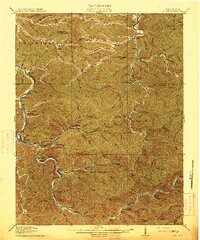 1913 Logan1913 Print · USGSThe West Virginia coalfields are seen here during their early industrial expansion in the years before the Great War. Genealogists and researchers can trace family landmarks and rail-side settlements like Logan, Pecks Mill, and Ethel along the Guyandot River.3 unique versions available
 - 1915 Map of Matewan
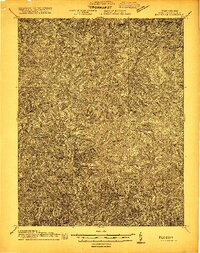 1915 Matewan1915 Print · USGSThe industrial coalfields of Mingo County and the Kentucky border are documented here during the height of the early twentieth-century boom. Genealogists and historians can trace rail-side communities and mining operations like Thacker Mines, Red Jacket, and the Blackberry Fork School.
 - 1917 Map of Matewan
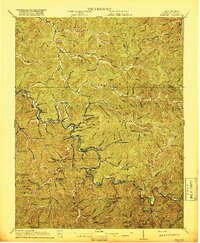 1917 Matewan1917 Print · USGSThe Tug Fork valley in the 1910s was a bustling corridor of coal production and rail activity along the West Virginia and Kentucky border. Genealogists and historians can trace the foundations of coal-camp life at Thacker Mines, the winding Norfolk and Western RR, and local landmarks like the Hatfield School.2 unique versions available
 - 1925 Map of Gilbert
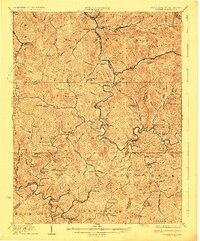 1925 Gilbert1925 Print · USGSSouthern West Virginia in the mid-twenties shows a landscape defined by steep hollows and a burgeoning coal-and-rail economy. Researchers can trace ancestral footprints at several family-named institutions like Hatfield School or find old mining hubs such as Wharncliffe and Glenalum.
 - 1926 Map of Holden, 1957 Print
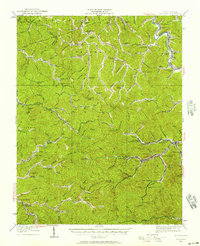 1926 Holden1957 Print · USGSSouthern West Virginia in the mid-1920s shows a landscape of mountain schools and expanding rail networks. Researchers can trace dozens of early rural schools like Dave Dingess School and Hager School alongside rail hubs at Whitman Junction and Holden.
 - 1926 Map of Logan, 1963 Print
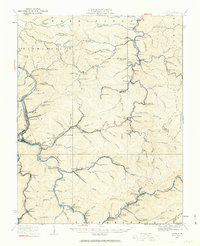 1926 Logan1963 Print · USGSWest Virginia's southern coalfields are shown here in the mid-1920s, a period of intense industrial and rail development along the Guyandotte River. Researchers can trace the development of coal camps and local schools, from Pecks Mill and Clothier to the Crooked Creek School and Five Block Macneer PO.
 - 1927 Map of Pineville
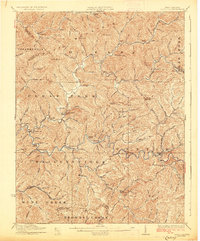 1927 Pineville1927 Print · USGSWyoming County in the mid-twenties shows a landscape shaped by narrow hollows and the timber-driven expansion of the Virginian RR. Genealogists can trace early families through numerous rural landmarks like the Olinger School, Clear Fork PO, and Matheney School.2 unique versions available
 - 1927 Map of Gilbert
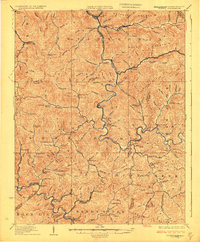 1927 Gilbert1927 Print · USGSIn the late 1920s, southern West Virginia's mountain hollows were connected by narrow-gauge rails and family-centered school districts. Genealogists can trace family footprints through sites like the Craig Hatfield School, Wharncliffe, and War Eagle.4 unique versions available
 - 1928 Map of Holden
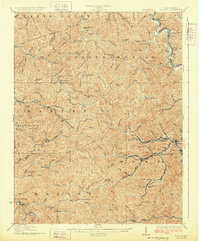 1928 Holden1928 Print · USGSLogan County's coal-country heart is captured here in the late twenties, showing the peak of the mountain rail and mining economy. Researchers can trace the narrow-gauge lines and spurs serving Holden, Verdunville, and Whitman Junction, while locating family landmarks like the Dave Dingess School or Ellis Camp.2 unique versions available
 - 1928 Map of Logan
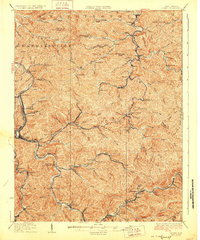 1928 Logan1928 Print · USGSThe Guyandotte River valley and the southern coalfields are shown in detail during the late twenties. Genealogists can trace family homes near rural landmarks like Isom School, Pecks Mill, and the many station stops along the Chesapeake and Ohio railroad.3 unique versions available
 - 1928 Map of Matewan
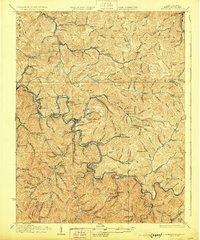 1928 Matewan1928 Print · USGSCoal and rail define the rugged borderlands of the West Virginia-Kentucky line in the late 1920s. Genealogists can trace family footprints at Puritan Mines, Matewan, and the many hollow schools like Hatfield Sch and Red Jacket Sch.4 unique versions available
 - 1928 Map of Bald Knob, 1956 Print
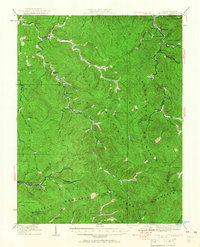 1928 Bald Knob1956 Print · USGSBoone, Logan, and Raleigh counties are mapped here in the late twenties at the height of the coal-rail boom. You can trace early industrial rail lines like the Chesapeake and Ohio and locate vanished local landmarks like Bothwell Sch and Jackson (Bim PO).
Showing maps 1-25 of 71
Top cities of Logan County
- Mallory historical maps
- Logan historical maps
- Chapmanville historical maps
- Holden historical maps
- Man historical maps
- Accoville historical maps
See more
Frequently asked questions
- What are the different types of historical maps available for Logan County?
- What is the oldest map of Logan County?
- Where can I purchase historical maps of Logan County for my home or office?
- Where can I download high-res historical maps of Logan County?
- Are there historical topographic maps available for Logan County?
- Is there historical aerial imagery available for Logan County?
- Where are historical maps of Logan County sourced from?