Old Maps of Auburn, Wisconsin
Explore 29 old maps of Auburn, spanning from 1949 to today. These high-resolution historic maps reveal how streets, neighborhoods, landmarks, and natural features evolved over time — perfect for genealogy, metal detecting, research, and local history exploration.
What you can do with these maps:
- See how Auburn changed over time: Compare historical maps to modern-day views to trace roads, homesites, rail lines & more.
- View detailed metadata: Each map includes creators, publishers, year, scale, and archive source.
- Overlay maps with satellite & LiDAR: Visualize the past alongside modern tools to explore terrain & human change.
- Trusted historical sources: Maps sourced from the USGS, Library of Congress, and other archives.
- Access maps your way: View online, download high-res files, or order prints for personal or research use.
Start exploring old maps of Auburn to uncover forgotten places, hidden landmarks, and the deep history beneath your feet.
Auburn, WI maps
(29)- 1949 Map of New Auburn, 1967 Print
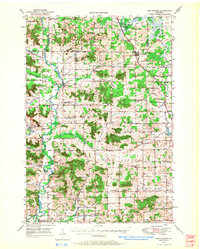 1949 New Auburn1967 Print · USGSWisconsin's rural dairy and timber heartland is meticulously documented here just after the war, showing the tight-knit settlement of western Chippewa County. Genealogists can trace family roots through numerous local landmarks like Fox Settlement, Lower Lutheran Ch, and New Auburn Cem.
 - 1951 Map of New Auburn
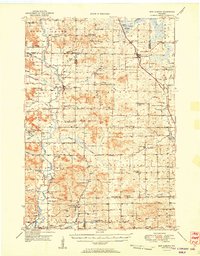 1951 New Auburn1951 Print · USGSThe intersection of Barron, Dunn, and Chippewa counties comes into focus in the early 1950s, showing a landscape thick with local school districts and rural parishes. Genealogists can trace family footprints through dozens of named sites like Fox Settlement Sch, Dovre Ch, and the New Auburn Cem.
 - 1953 Map of Rice Lake, 1967 Print
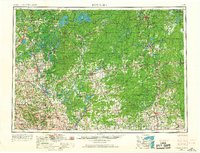 1953 Rice Lake1967 Print · USGSNorthwest Wisconsin during the mid-fifties reveals a landscape defined by timber, rail, and water. Genealogists and historians can trace the development of river towns like Ladysmith and Rice Lake along the Soo Line and Chicago and North Western railroads.2 unique versions available
 - 1959 Map of Rice Lake
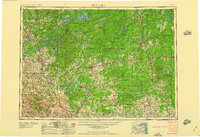 1959 Rice Lake1959 Print · USGSNorthwest Wisconsin in the late fifties was a land of expanding road networks and deep-seated timber history. Genealogists and historians can trace rail lines like the Soo Line RR and Chicago St Paul Minneapolis and Omaha Ry as they link settlements from Spooner to Medford.
 - 1975 Map of Colfax North, 1978 Print
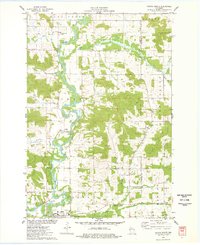 1975 Colfax North1978 Print · USGSDunn County at the mid-point of the 1970s shows a landscape of river-bottom farms and quiet rural crossroads. Genealogists can trace family footprints through numerous sites like St Johns Ch, Evergreen Cem, and the village streets of Colfax.
 - 1975 Map of New Auburn, 1978 Print
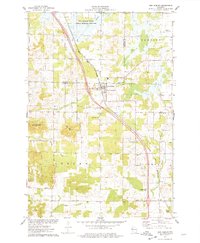 1975 New Auburn1978 Print · USGSWestern Wisconsin life in the mid-seventies centers on the village of New Auburn and its position along the Chicago and North Western railroad. Researchers can locate family sites at the New Auburn Cem, trace Duncan Creek, or explore the wooded Old Maids Bluff.
 - 1975 Map of Sand Creek, 1978 Print
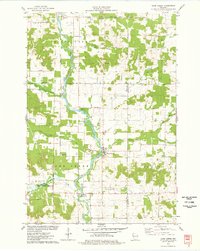 1975 Sand Creek1978 Print · USGSNorthwest Wisconsin in the 1970s shows a landscape defined by the winding Red Cedar River and the rural communities of Dunn and Barron Counties. Genealogists and local historians can trace family locations near Sand Creek, Cruikshank, and several early burial grounds including Zion Cem and Springbrook Cem.
 - 1975 Map of Como Creek, 1978 Print
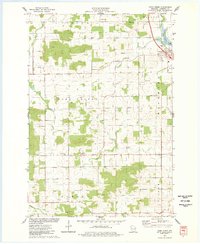 1975 Como Creek1978 Print · USGSChippewa County agriculture and township boundaries are captured here in the mid-1970s. Researchers can trace family roots at Cooks Valley Cem, St Johns Ch, and the settlement of Albert along the banks of Como Lake.
 - 1980 Map of Bloomer
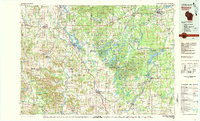 1980 Bloomer1980 Print · USGSNorthwestern Wisconsin at the start of the eighties shows a landscape deeply connected to its rivers and rail lines. Genealogists and historians can trace the growth of Bloomer, Ladysmith, and Chetek or locate local landmarks like Brunet Island State Park and the Soo Line rail corridors.
 - 2010 Map of Como Creek, 2010 Print
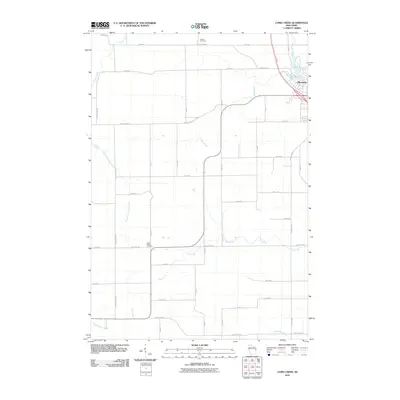 2010 Como Creek2010 Print · USGSUpper Chippewa County at the start of the 2010s shows a landscape of steady agricultural roots and winding creek valleys. Researchers can trace rural family sites near Auburn Cemetery, the waters of Lake Como, and the outskirts of Bloomer.
 - 2010 Map of New Auburn, 2010 Print
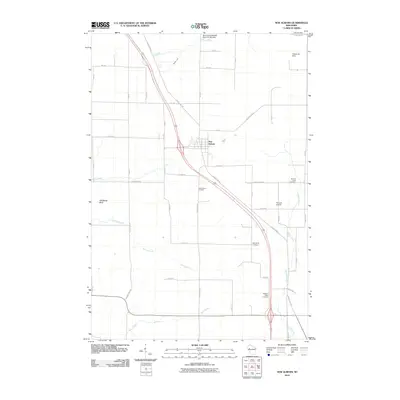 2010 New Auburn2010 Print · USGSThe village of New Auburn and its surrounding farmstead grid are captured here in the early twenty-first century. Genealogists and local historians can locate several rural burial sites, such as Marquardt Cemetery and Pleasant Valley Cemetery, alongside landmarks like Old Maids Bluff.
 - 2010 Map of Sand Creek, 2010 Print
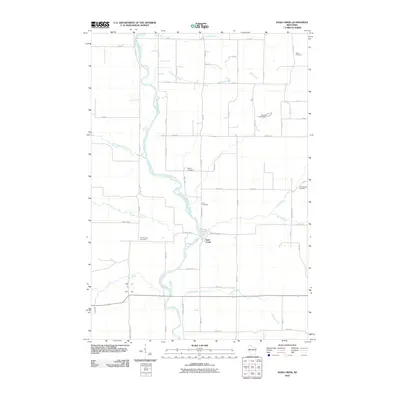 2010 Sand Creek2010 Print · USGSDunn County at the start of the 2010s shows a landscape of river-valley settlements and quiet rural crossroads. Genealogists and local historians can trace family locations through several landmark burial sites like Zion Cemetery and Myron Cemetery.
 - 2010 Map of Colfax North, 2010 Print
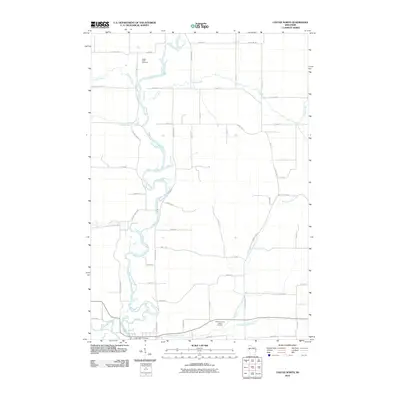 2010 Colfax North2010 Print · USGSDunn County farmland north of Colfax is defined by the winding course of the Red Cedar River and its many tributaries at the start of the decade. Researchers can locate family landmarks like Popple Creek Cemetery or trace the rural road network near Running Valley Creek.
 - 2013 Map of Sand Creek, 2013 Print
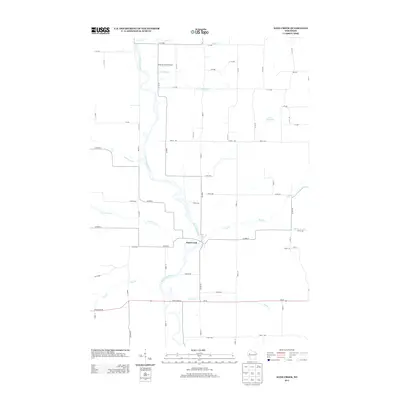 2013 Sand Creek2013 Print · USGSDunn County at the start of the 2010s shows a landscape defined by the winding Red Cedar River and a precise grid of rural farm roads. Researchers can trace the layout of the Sand Creek settlement or locate landmarks like the Knutson Farms Airport and Spring Brook.
 - 2013 Map of Colfax North, 2013 Print
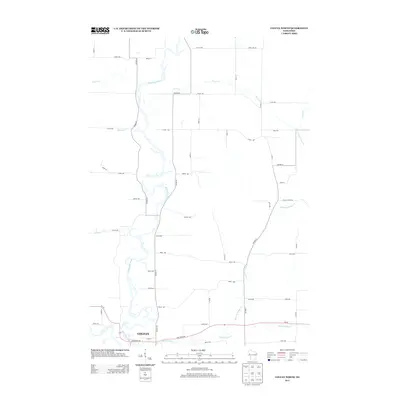 2013 Colfax North2013 Print · USGSDunn County farmland and river bottoms are captured here in the early twenty-first century as the Red Cedar River winds toward Colfax. Trace the local drainage and road networks along Running Valley Cr, Eighteenmile Cr, and the banks of Trout Cr.
 - 2013 Map of Como Creek, 2013 Print
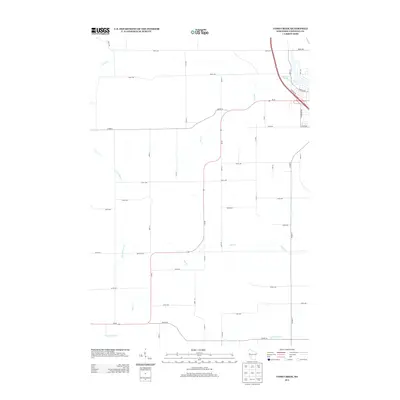 2013 Como Creek2013 Print · USGSChippewa County is defined by its rural road grids and winding waterways in the early twenty-first century. Genealogists and local historians can trace the paths of Lake Como, Eighteenmile Cr, and the intersection of WI-40 and CO HWY-B.
 - 2013 Map of New Auburn, 2013 Print
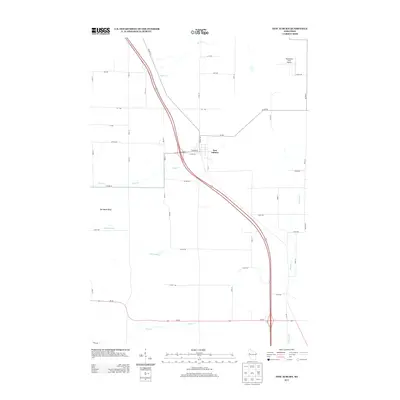 2013 New Auburn2013 Print · USGSNew Auburn and its surrounding townships are captured in detail during the early 2010s. Local historians and land researchers can trace the rural landscape from Old Maids Bluff to the banks of Sand Cr and the Vetterkind Strip Airport.
 - 2015 Map of New Auburn, 2015 Print
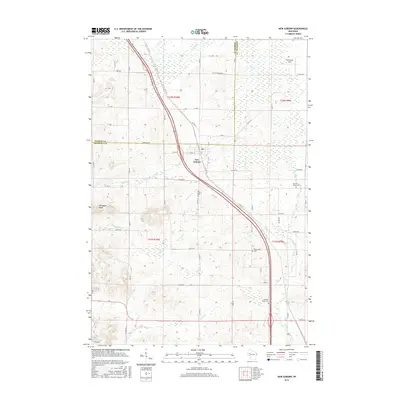 2015 New Auburn2015 Print · USGSNew Auburn and the surrounding dairy lands of Barron and Chippewa Counties are captured here during the mid-2010s. Genealogists can locate family landmarks like New Auburn Cem, Duncan Creek Cem, and the prominent Old Maids Bluff.
 - 2015 Map of Sand Creek, 2015 Print
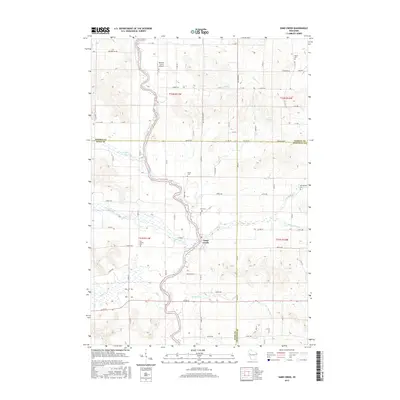 2015 Sand Creek2015 Print · USGSDunn County farmland and the winding river valley are documented here in the mid-2010s. Researchers can locate numerous local landmarks including Dovre Cem, Knutson Farms Airport, and the community of Sand Creek along the Red Cedar River.
 - 2015 Map of Como Creek, 2015 Print
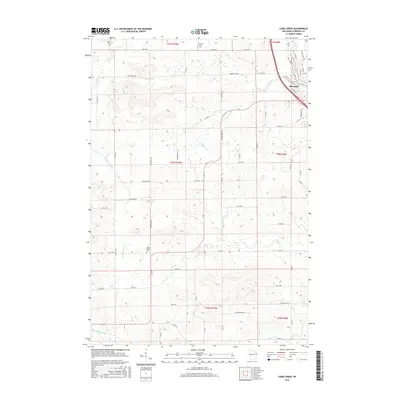 2015 Como Creek2015 Print · USGSBloomer and the surrounding Chippewa County countryside are captured here in the mid-2010s, showing a landscape shaped by glacial waterways. Genealogists and local historians can locate rural landmarks such as Auburn Cem, Cooks Valley Cem, and the shores of Lake Como.
 - 2015 Map of Colfax North, 2015 Print
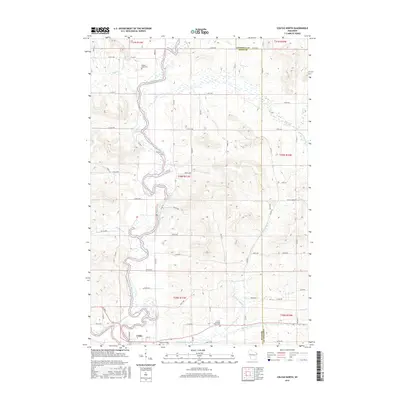 2015 Colfax North2015 Print · USGSDunn and Chippewa counties are documented here in the mid-2010s, showing a landscape defined by the meandering Red Cedar River. Genealogists can locate several local burial sites including Popple Creek Cem, Running Valley Cem, and Evergreen Cem.
 - 2018 Map of New Auburn, 2018 Print
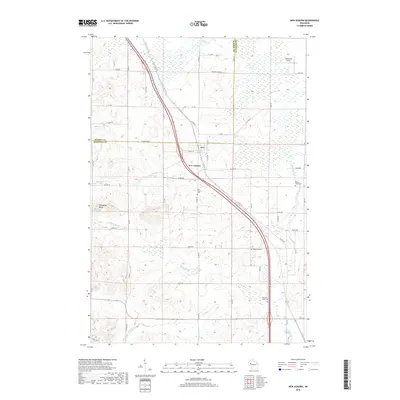 2018 New Auburn2018 Print · USGSNew Auburn sits at the junction of Barron and Chippewa counties in this contemporary topographical view of the Wisconsin heartland. Local historians can locate family plots at Marquardt Cem and Pleasant Valley Cem or trace the winding course of Duncan Cr near Old Maids Bluff.
 - 2018 Map of Colfax North, 2018 Print
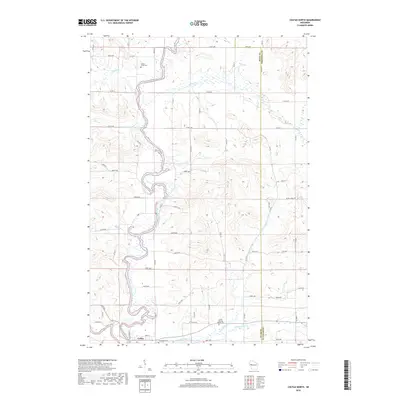 2018 Colfax North2018 Print · USGSDunn County agricultural lands and river valleys are captured here in the late twenty-teens. Genealogists can locate several burial grounds like Popple Creek Cem and Evergreen Cem near the northern outskirts of Colfax.
 - 2018 Map of Sand Creek, 2018 Print
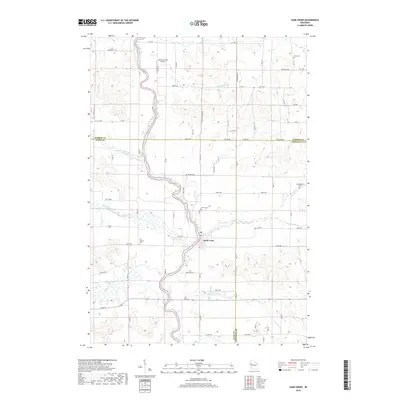 2018 Sand Creek2018 Print · USGSThe rural crossroads of Barron, Dunn, and Chippewa Counties are documented here in the late twenty-teens. Genealogists can locate several local burial grounds like Our Saviors Cem and Dovre Cem, or trace the Red Cedar River through the community of Sand Creek.
 - 2018 Map of Como Creek, 2018 Print
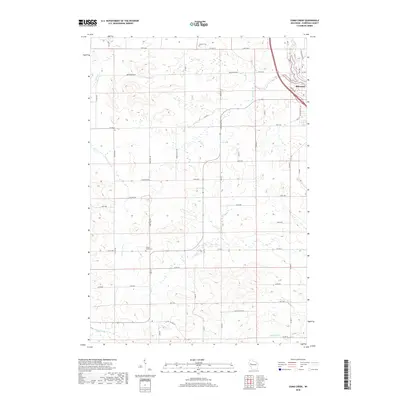 2018 Como Creek2018 Print · USGSChippewa County agriculture and the fringes of Bloomer are documented in this late 2010s survey. Researchers can locate burial sites at Auburn Cem and Cooks Valley Cem or trace the winding paths of Eighteenmile Cr and Como Cr.
Showing maps 1-25 of 29
Top cities near Auburn
- Chippewa Falls historical maps
- Bloomer historical maps
- Eagle Point historical maps
- Chetek historical maps
- Tainter historical maps
- Red Cedar historical maps
See more
Frequently asked questions
- What are the different types of historical maps available for Auburn?
- What is the oldest map of Auburn?
- Where can I purchase historical maps of Auburn for my home or office?
- Where can I download high-res historical maps of Auburn?
- Are there historical topographic maps available for Auburn?
- Is there historical aerial imagery available for Auburn?
- Where are historical maps of Auburn sourced from?