1950s Maps of Crook County, Wyoming
Explore 26 historic maps of Crook County from the 1950s. These maps offer a rare glimpse into what life looked like during the 1950s — showing old roads, neighborhoods, homes, and landmarks that have changed or disappeared over time.
Whether you're researching your family's past, planning a metal detecting trip, or studying how Crook County's landscape evolved across the 1950s, these high-resolution maps are a powerful tool for exploring the history of this region.
- Focus on a specific era: All maps on this page are from the 1950s, giving you a focused view of this time period.
- See what’s changed: Compare century-old streets, trails, and buildings to today's modern landscape using overlays and satellite layers.
- Research with precision: Use these maps for genealogy, historical research, land use analysis, or educational projects.
- View, download, or print: Maps are fully viewable online in high resolution, and can be downloaded or printed for your own records.
Start exploring Crook County's history through authentic maps from the 1950s. This is your window into the past.
Crook County, WY maps
(26)- 1954 Map of Sunny Divide
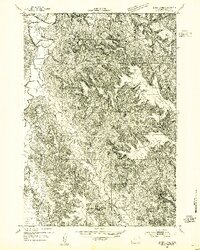 1954 Sunny Divide1954 Print · USGSCrook County ranching country appears in the mid-fifties as a network of high ridges and isolated schoolhouses. Researchers can trace rural settlement patterns at Wonder View or locate old community centers like States School and Sunny Divide School.
 - 1954 Map of Strawberry Hill
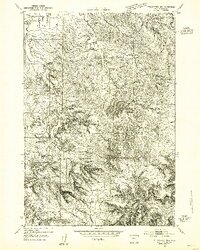 1954 Strawberry Hill1954 Print · USGSCrook County, Wyoming, is captured here in the mid-1950s as a remote landscape of high divides and creek-bottom homesteads. Researchers can trace the legacy of rural education through sites like Goldie Sch and an early School (Aband) near the Little Missouri River.
 - 1954 Map of Storm Hill
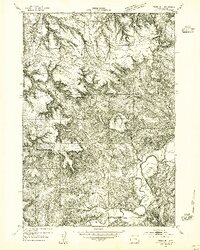 1954 Storm Hill1954 Print · USGSCrook County ranching and mining lands are captured here during the mid-1950s, showing a landscape of deep canyons and isolated outposts. Genealogists and researchers can locate the Moore Hill Cemetery and trace the winding Belle Fourche River through the breaks.
 - 1954 Map of Carlile
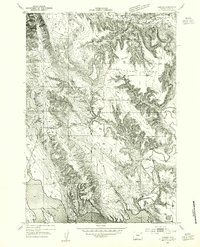 1954 Carlile1954 Print · USGSCrook County ranching country meets Cold War infrastructure in the mid-fifties as the recently filled Keyhole Reservoir reshapes the landscape. Researchers can locate remote rural landmarks like Thorn Divide School, Pine Ridge Sch, and the CAA Radar Station.
 - 1954 Map of Missouri Buttes
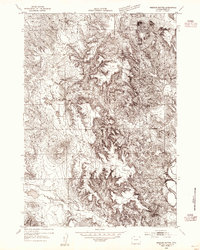 1954 Missouri Buttes1954 Print · USGSCrook County ranching and water resources are meticulously documented in the mid-1950s before the landscape changed. Trace local roots at the Spring Lake Ranch or identify the location of the old Lower Cabin Creek School near the Belle Fourche River.
 - 1954 Map of The Forks
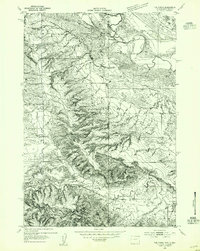 1954 The Forks1954 Print · USGSThe Wyoming and South Dakota borderlands appear in the mid-fifties as a landscape of isolated ranches and early industrial mining. Family historians can trace the locations of Sunny Slope Sch, the Old Railroad Grade, and numerous homesteads such as Helmer Ranch.
 - 1954 Map of Ekalaka, 1966 Print
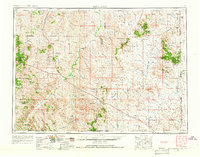 1954 Ekalaka1966 Print · USGSSoutheastern Montana and its borderlands with the Dakotas and Wyoming appear here in the mid-fifties, showing a remote ranching landscape. Genealogists can trace family roots through numerous rural landmarks like the Sherwin School, St Marys Ch, and Powderville.3 unique versions available
 - 1954 Map of Gillette, 1975 Print
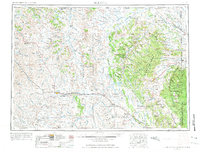 1954 Gillette1975 Print · USGSGillette and the northeast Wyoming ranching country are captured here in the mid-1950s as coal and bentonite mining shaped the local economy. Genealogists can trace family landmarks like the Bethlehem Church, Wellman School, and early settlements along the Chicago Burlington and Quincy RR.
 - 1955 Map of Devils Tower, 1957 Print
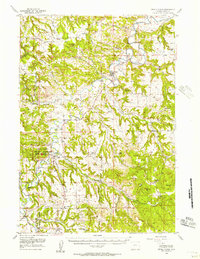 1955 Devils Tower1957 Print · USGSCrook County ranching and the Belle Fourche River valley are shown here in the mid-1950s. Genealogists and historians can trace numerous rural schoolhouses, including Moore Hill Sch and Lytle Creek Sch, alongside family landmarks like the Pic Ranch.2 unique versions available
 - 1955 Map of Gillette, 1976 Print
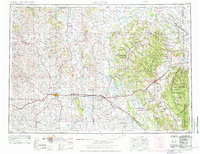 1955 Gillette1976 Print · USGSNortheastern Wyoming in the mid-twentieth century is captured here as the energy and ranching landscape began to shift. Genealogists and historians can trace the foundations of local communities through sites like Wyodak, the Pleasantdale Community Building, and landmarks like Devils Tower National Monument.
 - 1956 Map of Ekalaka
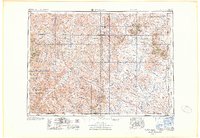 1956 Ekalaka1956 Print · USGSSoutheast Montana and the Wyoming borderlands are shown here in the mid-fifties, capturing a landscape of remote ranching outposts and isolated country schools. Genealogists can trace family roots through landmarks like Boyes, Alzada, and Peabody School.
 - 1957 Map of Mona, 1959 Print
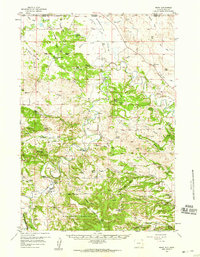 1957 Mona1959 Print · USGSThe ranching country of Crook County is captured here in the late fifties as family homesteads dotted the landscape between the state lines. Genealogists can trace legacy properties like Edsall Ranch and Svoboda Ranch or find old school sites like Robinson Sch.2 unique versions available
 - 1957 Map of Nefsy Divide, 1959 Print
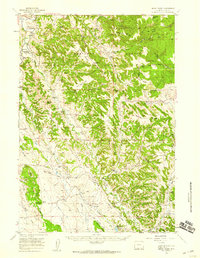 1957 Nefsy Divide1959 Print · USGSCrook County ranching and timber lands are captured here in the mid-fifties, showing a landscape defined by high ridges and small rural schools. You can locate the Barton Oil Field, several family-named ranch sites, and local landmarks like Miller Creek Cem and Wonder View.3 unique versions available
 - 1957 Map of Moorcroft, 1959 Print
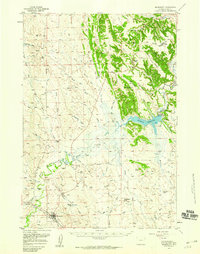 1957 Moorcroft1959 Print · USGSThe cattle and rail hub of Moorcroft is captured here in the late fifties, just as the regional landscape was transformed by the Keyhole Reservoir. Genealogists and historians can trace old ranch boundaries like the Robinson Ranch or locate local landmarks including the Texas Trail and Thorn Divide School.3 unique versions available
 - 1957 Map of Oshoto, 1959 Print
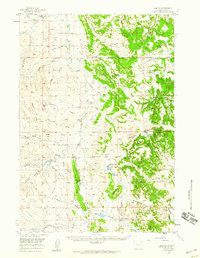 1957 Oshoto1959 Print · USGSThe ranching country of Crook County comes to life in the late 1950s, following the drainage of the Little Missouri River. Genealogists can trace family footprints through the historic Texas Trail and a network of rural schoolhouses like Rathbun Sch and Barlow Canyon Sch.2 unique versions available
 - 1957 Map of Upton, 1959 Print
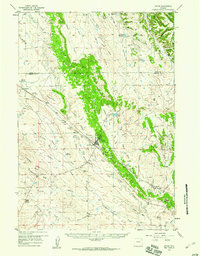 1957 Upton1959 Print · USGSUpton and the surrounding Weston County high plains are captured here in the late fifties during a period of steady rail and industrial activity. Researchers can trace the Chicago Burlington and Quincy line past Thornton to Bentley, locating old Clay Pits and family-named features like Mc Crady Draw.2 unique versions available
 - 1957 Map of Seely, 1959 Print
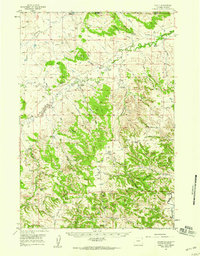 1957 Seely1959 Print · USGSThe ranchlands of Crook County and the Montana border come alive in this mid-century survey of the upper Little Missouri River. Genealogists and historians can trace family homesteads like Ballou Ranch and Madden Ranch alongside rural landmarks like Seely and Johnson Sch.2 unique versions available
 - 1957 Map of Colony, 1959 Print
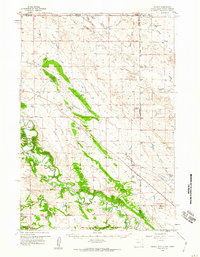 1957 Colony1959 Print · USGSNortheastern Wyoming ranching and mining land near the tri-state border are captured here in the late fifties. Genealogists can locate family landmarks like the Sloan Brothers Ranch while tracing the Bentonite Spur and Colony clay industry.3 unique versions available
 - 1957 Map of Cedar Ridge, 1959 Print
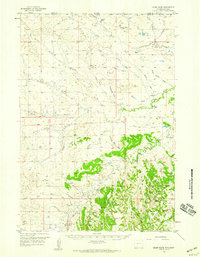 1957 Cedar Ridge1959 Print · USGSThe Wyoming-Montana borderlands are captured here in the late 1950s, showing a ranching landscape at the headwaters of the Little Missouri River. Genealogists and historians can locate rural schoolhouses like Storm Sch and Hulett Creek Sch alongside family landmarks like Leonard Ranch.2 unique versions available
 - 1958 Map of Gillette
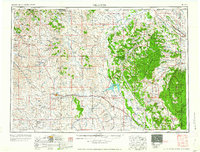 1958 Gillette1958 Print · USGSNortheastern Wyoming and the Black Hills are captured here in the late fifties, showcasing a landscape of high-plains ranching and emerging energy production. Researchers can trace the rail-side growth of Gillette and find historic rural landmarks like the Wyodak Coal Mine, Bethlehem Church, and Devils Tower National Monument.2 unique versions available
 - 1958 Map of Ekalaka
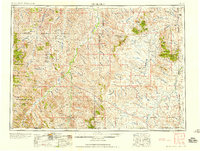 1958 Ekalaka1958 Print · USGSSoutheast Montana in the mid-fifties remains a landscape of isolated ranching outposts and scattered schoolhouses. Genealogists and researchers can trace rural life through landmarks like Belltower, the McClary Ranger Station, and numerous family-named schools such as Davidson School.
 - 1958 Map of Four Corners, 1960 Print
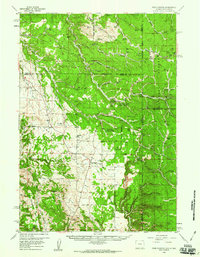 1958 Four Corners1960 Print · USGSThe Black Hills borderlands in the late fifties reveal a high-prairie landscape where Wyoming meets South Dakota. Genealogists and researchers can trace family landmarks and rural life at the St Albert Ch, Boyd Cem, and the settlement at Four Corners.2 unique versions available
 - 1958 Map of Inyan Kara Mountain, 1960 Print
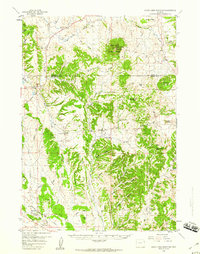 1958 Inyan Kara Mountain1960 Print · USGSThe Black Hills of Wyoming in the late fifties show a landscape of high timbered ridges and early industrial development. Genealogists and historians can locate rural landmarks like Davis Sch and the unique Historical Graves (Two of Custers Men).3 unique versions available
 - 1958 Map of Beulah, 1960 Print
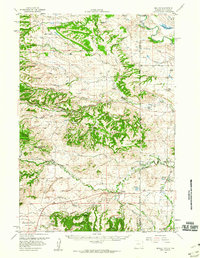 1958 Beulah1960 Print · USGSThe borderlands of Wyoming and South Dakota come into focus in the late fifties, showcasing the ranching communities of the Black Hills foothills. Genealogists and historians can trace family landholdings like the Fisher Ranch and Hall Ranch or find old school sites like Beaver Creek Sch.3 unique versions available
 - 1958 Map of Tinton, 1960 Print
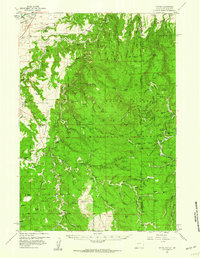 1958 Tinton1960 Print · USGSThe Black Hills borderlands come to life in the late fifties, showing a rugged landscape of family ranches and frontier outposts. Trace historic sites and property names from Tinton to Moskee, including Lone Grave, Mineral Hill, and the isolated Lincoln Ranch.4 unique versions available
Showing maps 1-25 of 26
Top cities of Crook County
- Sundance historical maps
- Moorcroft historical maps
- Pine Haven historical maps
- Hulett historical maps
- Beulah historical maps
Frequently asked questions
- What are the different types of historical maps available for Crook County?
- What is the oldest map of Crook County?
- Where can I purchase historical maps of Crook County for my home or office?
- Where can I download high-res historical maps of Crook County?
- Are there historical topographic maps available for Crook County?
- Is there historical aerial imagery available for Crook County?
- Where are historical maps of Crook County sourced from?