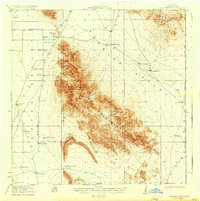
1918 Map of Big Hatchet Peak
USGS Topo · Published 1937About this map
The Big Hatchet Mountains dominate this borderland landscape, rising sharply from the surrounding desert basins at the end of the First World War. This territory, surveyed by the U.S. Geological Survey in cooperation with the War Department, centers on the high elevation of Big Hatchet Peak. The settlement pattern is defined by remote cattle operations and vital water sources, as seen at the Old Hatchet Ranch, Lambert Ranch, and Dallas Hatchet Ranch. Water remains the primary concern for survival here, evidenced by the numerous named wells and springs such as Sheridan Wells, Whitewater Wells, and Las Cienegas Spring. Connectivity in this arid region is limited to primitive routes like the Hachita Road and Hueco and Alamo Road, which provided the only reliable passage through the Hachita Valley toward the United States-Mexico border.
Find a feature on this map
45 named features on this map. Tap any name to fly to it.
Don’t see what you’re looking for? This feature index may not catch every label — zoom into the map to look around manually.
Map Details
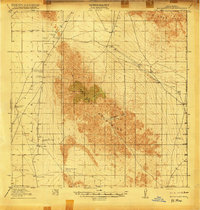
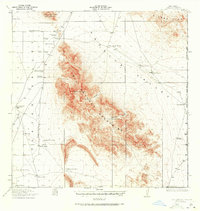
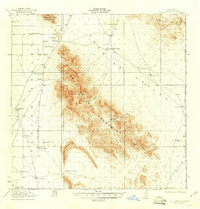
Editions of this 1918 Big Hatchet Peak Map
5 editions found
Other maps of this area
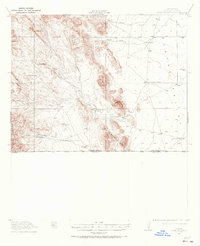
1917 · Antelope Wells
USGS Topo · 1:62,500
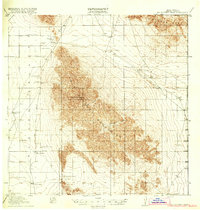
1918 · Big Hatchet Peak
USGS Topo · 1:62,500
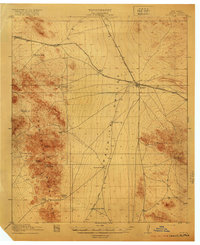
1918 · Hachita
USGS Topo · 1:62,500
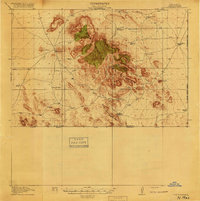
1918 · Dog Mountains
USGS Topo · 1:62,500
1918 · Walnut Wells
USGS Topo · 1:62,500
1918 · Victorio
USGS Topo · 1:62,500
1918 · Playas
USGS Topo · 1:62,500
1919 · Playas
USGS Topo · 1:62,500
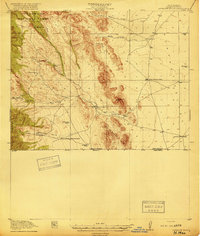
1919 · Antelope Wells
USGS Topo · 1:62,500
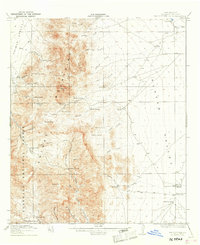
1923 · Walnut Wells
USGS Topo · 1:62,500