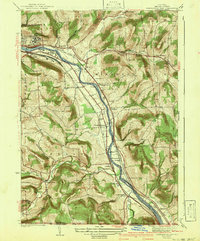
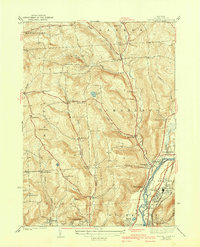
1942 Map of Binghamton East
USGS Topo · Published 1942About this map
The Susquehanna River valley serves as the primary corridor for transportation and settlement in this 1937 survey of southern Broome County. Major railroad infrastructure, including the Erie and the Delaware and Hudson, flanks the river, supporting towns like Kirkwood and Conklin. On the eastern outskirts of Binghamton, the prominent State Hospital complex dominates the hillside above the river bend.
Find a feature on this map
55 named features on this map. Tap any name to fly to it.
Don’t see what you’re looking for? This feature index may not catch every label — zoom into the map to look around manually.
Map Details
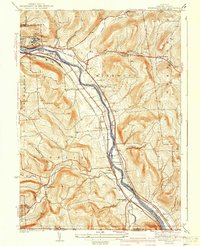
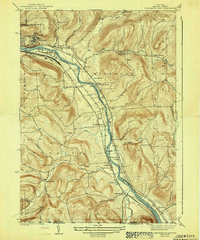
Editions of this 1942 Binghamton East Map
3 editions found
Other maps of this area
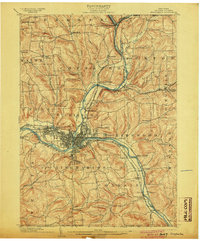
1904 · Binghamton
USGS Topo · 1:62,500
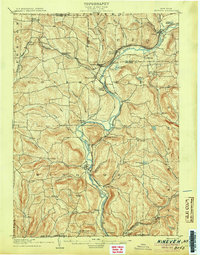
1905 · Nineveh
USGS Topo · 1:62,500
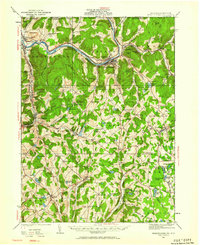
1932 · Susquehanna
USGS Topo · 1:62,500
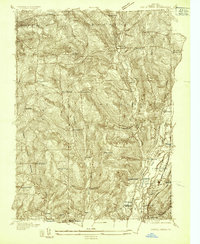
1934 · Castle Creek
USGS Topo · 1:24,000
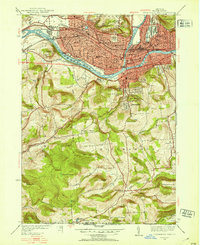
1935 · Binghamton West
USGS Topo · 1:24,000
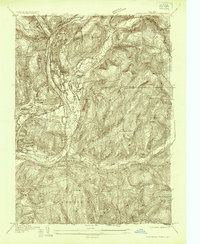
1935 · Chenango Forks
USGS Topo · 1:24,000
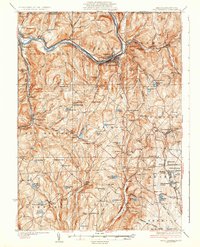
1935 · Susquehanna
USGS Topo · 1:62,500
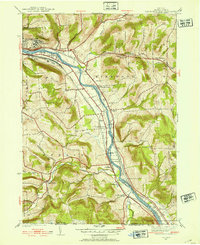
1937 · Binghamton East
USGS Topo · 1:24,000
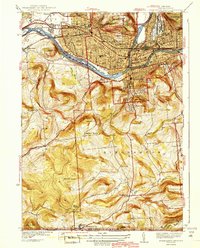
1942 · Binghamton West
USGS Topo · 1:31,680
1942 · Castle Creek
USGS Topo · 1:31,680