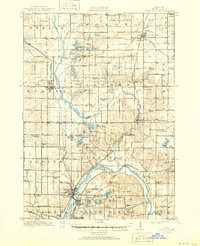
1918 Map of Cedar Springs
USGS Topo · Published 1951About this map
Rouge River and Grand River dictate the settlement patterns of Kent County in this 1918 survey, reflecting a landscape defined by water-powered industry and early rail lines. The convergence of the Pere Marquette and the Grand Rapids and Indiana railroads at Sparta and Cedar Springs illustrates the region's importance as a transportation hub for agricultural and timber goods. Local history is deeply embedded in the dense network of rural infrastructure, from the Block Tavern School in Tyrone to Kanes Mill and Monroe Mill along the creek banks. Near the southern edge, the West Michigan State Fairgrounds and the Soldiers Home signal the growth of the North Park area, while the U S Rifle Range indicates active military preparation during the era. This map preserves a high density of one-room schoolhouses, such as Pioneer School and Burchtop School, which served as the social centers for these emerging townships.
Find a feature on this map
120 named features on this map. Tap any name to fly to it.
Don’t see what you’re looking for? This feature index may not catch every label — zoom into the map to look around manually.
Map Details
Editions of this 1918 Cedar Springs Map
3 editions found
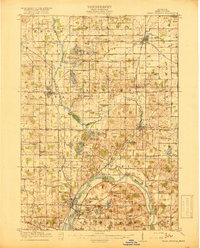
Other maps of this area
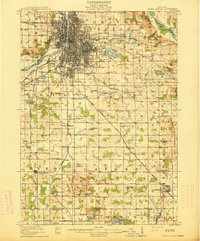
1914 · Grand Rapids
USGS Topo · 1:62,500
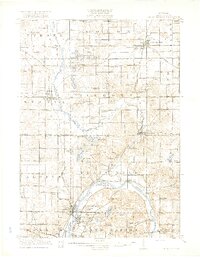
1918 · Cedar Springs
USGS Topo · 1:62,500
1918 · Lowell
USGS Topo · 1:62,500
1943 · Cedar Springs
USGS Topo · 1:62,500
1943 · Grand Rapids
USGS Topo · 1:62,500
1943 · Lowell
USGS Topo · 1:62,500
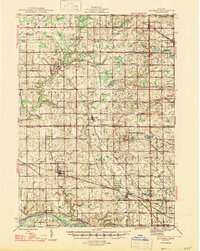
1945 · Ravenna
USGS Topo · 1:62,500
1954 · Midland
USGS Topo · 1:250,000
1958 · Midland
USGS Topo · 1:250,000
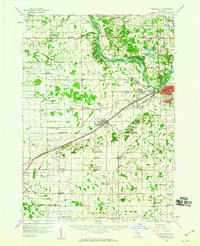
1958 · Grandville
USGS Topo · 1:62,500