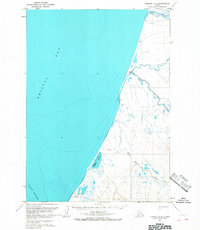
1963 Map of Chignik A-8
USGS Topo · Published 1968About this map
The remote coastline of Bristol Bay dominates this Alaskan landscape, where the tides of the Hague Channel meet a network of deltaic rivers and coastal lagoons. In the early 1960s, this area of the Alaska Peninsula was defined by its vast marshlands and the essential role of aviation in connecting isolated sites. The Port Moller Landing Strip sits near the southwestern edge of the sheet, while a solitary Cabin and a remote Airway Beacon provide the few signs of human infrastructure. Significant watercourses, including the Bear River and the King Salmon River, cut through the low-lying terrain, terminating in features like Franks Lagoon. The presence of landmarks with idiosyncratic names like Stinko and Beauty suggests the influence of local knowledge or surveyors' field notes in an otherwise sparsely populated wilderness.
Find a feature on this map
18 named features on this map. Tap any name to fly to it.
Don’t see what you’re looking for? This feature index may not catch every label — zoom into the map to look around manually.
Map Details
Editions of this 1963 Chignik A-8 Map
This is the sole edition of this map. No revisions or reprints were ever made.
Other maps of this area
1953 · Port Moller
USGS Topo · 1:250,000
1963 · Port Moller D-3
USGS Topo · 1:63,360
1963 · Chignik B-7
USGS Topo · 1:63,360
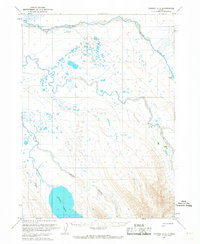
1963 · Chignik A-7
USGS Topo · 1:63,360
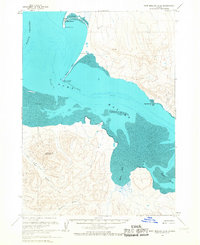
1963 · Port Moller D-2
USGS Topo · 1:63,360
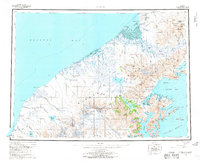
1963 · Chignik
USGS Topo · 1:250,000
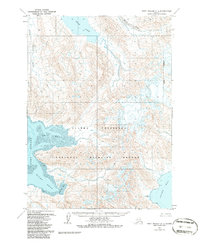
1963 · Port Moller D-1
USGS Topo · 1:63,360
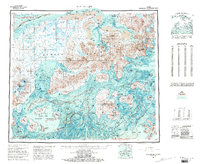
1988 · Port Moller
USGS Topo · 1:250,000
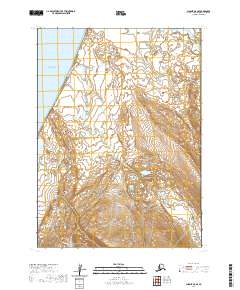
2020 · Chignik A-8 SE
USGS Topo · 1:25,000
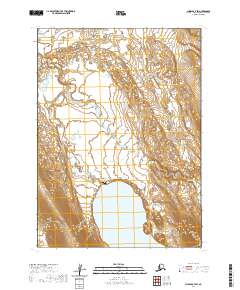
2020 · Chignik A-7 SW
USGS Topo · 1:25,000