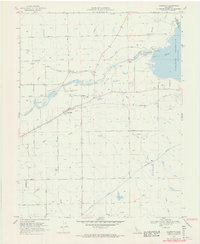
1968 Map of Clements
USGS Topo · Published 1972About this map
The Mokelumne River serves as the focal point of this late 1960s survey, illustrating the complex water management and industrial history along the border of San Joaquin and Amador counties. The landscape is defined by the massive Camanche Reservoir and the Camanche Dam, which altered the natural flow and replaced earlier terrain with the Mokelumne River Fish Installation. Agriculture and transportation networks converge at Clements, where the Southern Pacific railroad line runs parallel to several creek beds.
Find a feature on this map
29 named features on this map. Tap any name to fly to it.
Don’t see what you’re looking for? This feature index may not catch every label — zoom into the map to look around manually.
Map Details
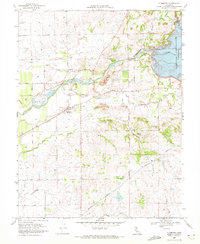
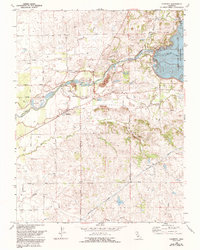
Editions of this 1968 Clements Map
3 editions found
Other maps of this area
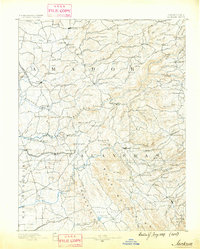
1889 · Jackson
USGS Topo · 1:125,000
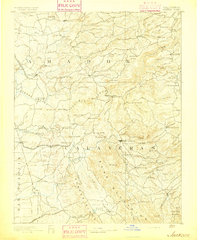
1892 · Jackson
USGS Topo · 1:125,000
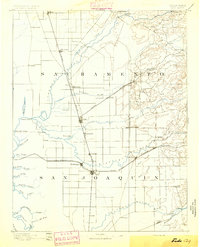
1894 · Lodi
USGS Topo · 1:125,000
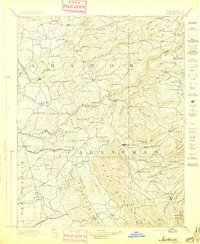
1897 · Jackson
USGS Topo · 1:125,000
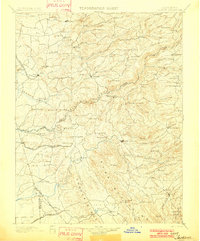
1902 · Jackson
USGS Topo · 1:125,000
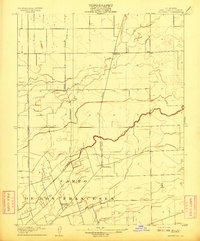
1908 · Waterloo
USGS Topo · 1:31,680
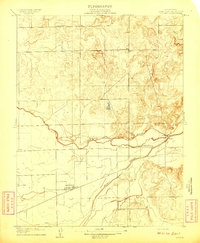
1908 · Linden
USGS Topo · 1:31,680
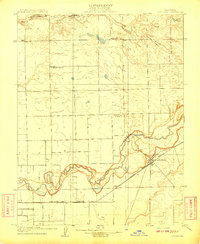
1908 · Lockeford
USGS Topo · 1:31,680
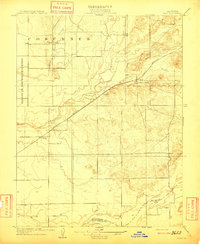
1909 · Clay
USGS Topo · 1:31,680
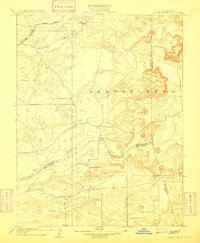
1909 · Goose Creek
USGS Topo · 1:31,680