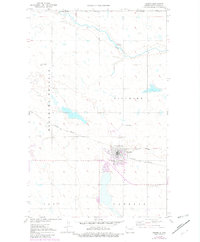
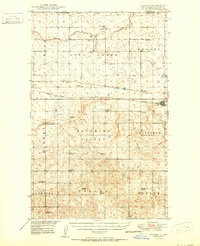
1948 Map of Crosby
USGS Topo · Published 1982About this map
The Canada United States border defines the northern edge of this landscape, where the prairie of North Dakota meets Saskatchewan. The town of Crosby serves as the regional hub, situated at the intersection of the Burlington Soo Line Northern railroad. The map documents a transition in transportation infrastructure, showing both active rail lines and a segment of Soo Line Abandoned track heading east.
Find a feature on this map
19 named features on this map. Tap any name to fly to it.
Don’t see what you’re looking for? This feature index may not catch every label — zoom into the map to look around manually.
Map Details
Editions of this 1948 Crosby Map
2 editions found
Other maps of this area
1948 · Crosby SW
USGS Topo · 1:24,000
1948 · Ambrose
USGS Topo · 1:24,000
1948 · Crosby
USGS Topo · 1:24,000
1948 · Crosby SE
USGS Topo · 1:24,000
1949 · Paulson
USGS Topo · 1:24,000
1949 · Noonan SW
USGS Topo · 1:24,000
1950 · Crosby
USGS Topo · 1:62,500
1950 · Noonan
USGS Topo · 1:62,500
1953 · Williston
USGS Topo · 1:250,000
1957 · Williston
USGS Topo · 1:250,000