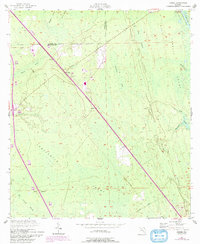
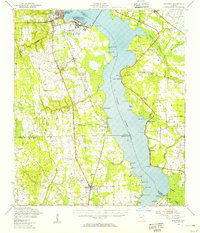
1952 Map of Durbin
USGS Topo · Published 1992About this map
The Florida East Coast railway corridor serves as the primary axis through this northeast Florida landscape, connecting the small settlements of Durbin and Hilden. In the early 1950s, the area was defined by a massive network of wetlands and seasonal drainages, including the expansive Snowden Bay and the low-lying Big Island Swamp. The northeastern corner transitions into the tidal influence of the Intracoastal Waterway and the Tolomato R, preserved in part by the Guana River State Park. A prominent Lookout Tower near Durbin stands as a landmark of mid-century forestry management. Moving south, the map details the rural infrastructure of the era, from the Telephone Line following the rail grade to old thoroughfares like Palm Valley Road and Ninemile Road, which provided essential links across the marshy terrain of Cabbage Swamp and Dry Swamp.
Find a feature on this map
28 named features on this map. Tap any name to fly to it.
Don’t see what you’re looking for? This feature index may not catch every label — zoom into the map to look around manually.
Map Details
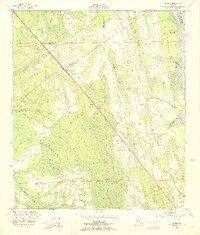
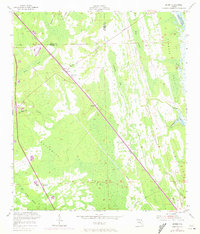
Editions of this 1952 Durbin Map
3 editions found
Other maps of this area
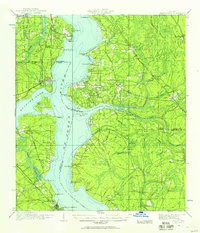
1917 · Orange Park
USGS Topo · 1:62,500
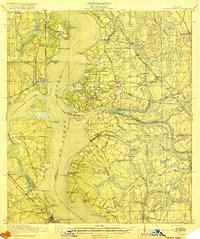
1918 · Orange Park
USGS Topo · 1:62,500
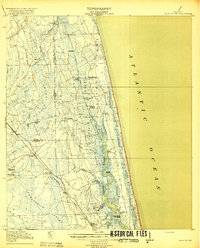
1918 · Palm Valley
USGS Topo · 1:62,500
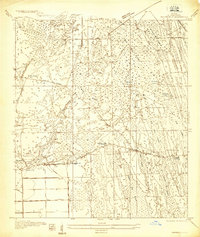
1937 · Bakersville
USGS Topo · 1:24,000
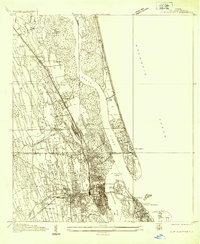
1937 · St. Augustine
USGS Topo · 1:24,000
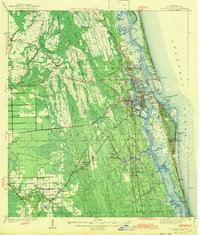
1943 · St. Augustine
USGS Topo · 1:62,500
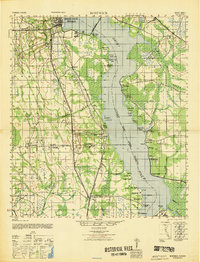
1947 · Bostwick
USGS Topo · 1:50,000
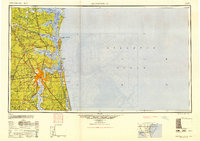
1948 · Jacksonville
USGS Topo · 1:250,000
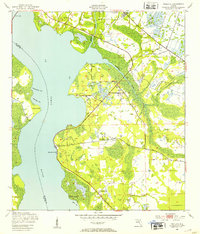
1949 · Picolata
USGS Topo · 1:24,000
1949 · Bostwick
USGS Topo · 1:62,500