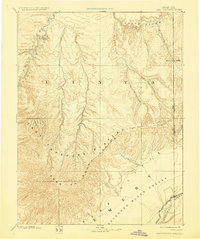
1885 Map of East Tavaputs
USGS Topo · Published 1929About this map
The East Tavaputs Plateau dominates this high-altitude landscape, where the triangulation work of the Hayden and Powell surveys documented the complex drainage systems of the late nineteenth century. The terrain is defined by the dramatic descent from the plateau through the Brown Cliffs and the Roan or Book Cliffs toward the Colorado River Valley. This era of western expansion saw the arrival of the Denver and Rio Grande Western Railroad in the lower corner of the sheet, providing a vital transport link through a region otherwise characterized by isolated water sources like Asphalt Creek and Evacuation Creek. The Utah Colorado Boundary Line bisects the eastern portion of the map, marking the formal division of the territory as it transitions from the White River in the north to the Colorado River in the south.
Find a feature on this map
17 named features on this map. Tap any name to fly to it.
Don’t see what you’re looking for? This feature index may not catch every label — zoom into the map to look around manually.
Map Details
Editions of this 1885 East Tavaputs Map
6 editions found
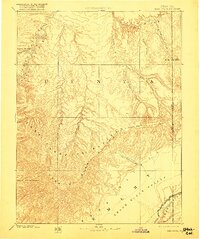
Other maps of this area
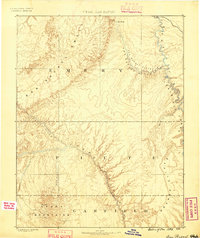
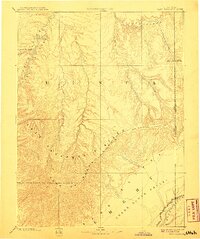
1885 · San Rafael
USGS Topo · 1:250,000
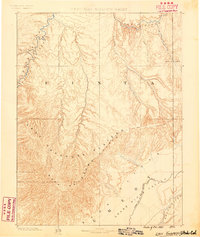
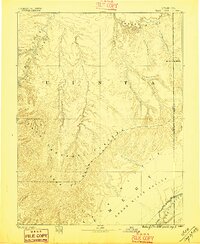
1885 · East Tavaputs
USGS Topo · 1:250,000
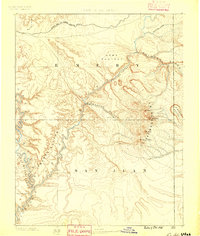
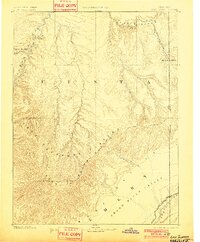
1885 · La Sal
USGS Topo · 1:250,000
1885 · Ashley
USGS Topo · 1:250,000
1885 · Uinta
USGS Topo · 1:250,000
1886 · Price River
USGS Topo · 1:250,000
1896 · Price River
USGS Topo · 1:250,000
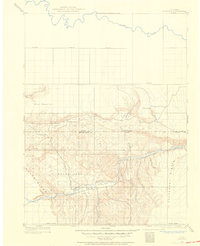
1907 · Rangely
USGS Topo · 1:125,000
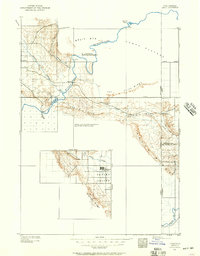
1907 · Jensen
USGS Topo · 1:125,000
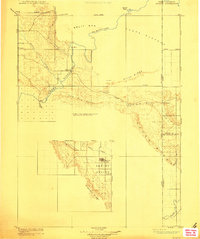
1910 · Jensen
USGS Topo · 1:125,000