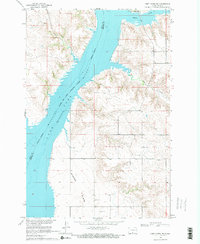
1968 Map of Fort Yates NE
USGS Topo · Published 1971About this map
Lake Oahe dominates the landscape of this 1960s survey, marking a period of profound transformation along the Missouri River valley. The map documents the vast waters held by the Oahe Dam, with the normal pool elevation of 1608 feet defining a new shoreline across the Standing Rock Indian Reservation. This inundation fundamentally altered the geography of the river bottomlands, once home to traditional settlements and agriculture. In the southern portion of the quadrangle, the Winona Flats remain above the waterline, characterized by scattered Gravel Pits and section-line roads. The upland prairie to the east contains traces of earlier settlement patterns, including the Lutheran Cem and the winding course of Little Beaver Creek. The establishment of the Beaver Creek Public Use Area reflects the shift toward water-based recreation following the river's impoundment.
Find a feature on this map
14 named features on this map. Tap any name to fly to it.
Don’t see what you’re looking for? This feature index may not catch every label — zoom into the map to look around manually.
Map Details
Editions of this 1968 Fort Yates NE Map
2 editions found
Other maps of this area
1954 · Bismarck
USGS Topo · 1:250,000
1958 · Bismarck
USGS Topo · 1:250,000
1968 · Cannon Ball SE
USGS Topo · 1:24,000
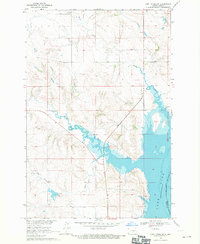
1968 · Fort Yates NW
USGS Topo · 1:24,000
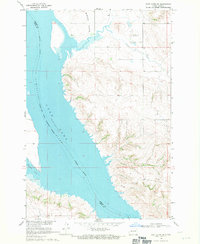
1968 · Fort Yates SE
USGS Topo · 1:24,000
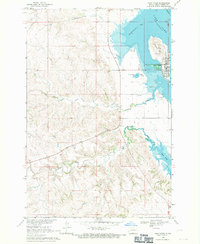
1968 · Fort Yates
USGS Topo · 1:24,000
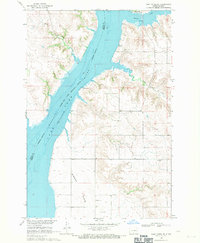
1968 · Fort Yates NE
USGS Topo · 1:24,000
1968 · Cannon Ball SW
USGS Topo · 1:24,000
1971 · Grassna NW
USGS Topo · 1:24,000
1971 · Kiefer Buttes
USGS Topo · 1:24,000