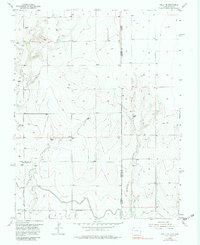
1955 Map of Holly NE
USGS Topo · Published 1983About this map
The High Plains landscape at the border of Colorado and Kansas is defined here by the essential movement of water across the Richland and Coolidge terrains. The map documents an intricate network of irrigation and flood control measures, including the Levee, the Hart Lateral, and various Ditch segments that supported agriculture in this arid region. Significant to local history is the transition of water rights and infrastructure, evidenced by the presence of the Amity Canal alongside an earlier Amity Canal (Abandoned) route.
Find a feature on this map
17 named features on this map. Tap any name to fly to it.
Don’t see what you’re looking for? This feature index may not catch every label — zoom into the map to look around manually.
Map Details
Editions of this 1955 Holly NE Map
3 editions found
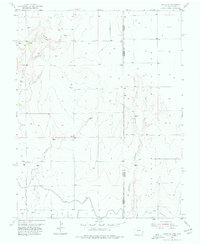
Other maps of this area
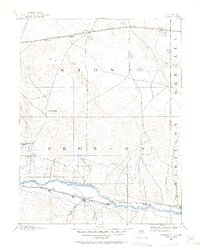
1890 · Granada
USGS Topo · 1:125,000
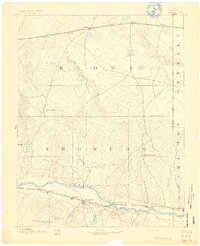
1892 · Granada
USGS Topo · 1:125,000
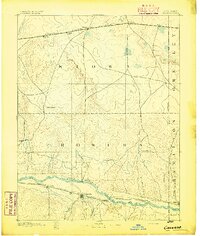
1894 · Granada
USGS Topo · 1:125,000
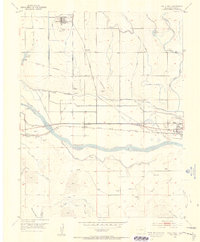
1953 · Holly West
USGS Topo · 1:24,000
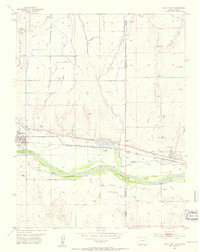
1953 · Holly East
USGS Topo · 1:24,000
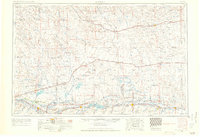
1954 · Lamar
USGS Topo · 1:250,000
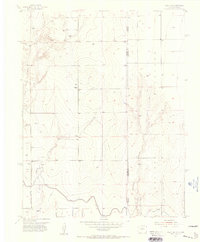
1955 · Holly NE
USGS Topo · 1:24,000
1955 · Holly NW
USGS Topo · 1:24,000
1955 · Scott City
USGS Topo · 1:250,000
1958 · Lamar
USGS Topo · 1:250,000