Old Maps of Hamilton County, Kansas
Explore 204 old maps of Hamilton County, spanning from 1890 to today. These high-resolution historic maps reveal how streets, neighborhoods, landmarks, and natural features evolved over time — perfect for genealogy, metal detecting, research, and local history exploration.
What you can do with these maps:
- See how Hamilton County changed over time: Compare historical maps to modern-day views to trace roads, homesites, rail lines & more.
- View detailed metadata: Each map includes creators, publishers, year, scale, and archive source.
- Overlay maps with satellite & LiDAR: Visualize the past alongside modern tools to explore terrain & human change.
- Trusted historical sources: Maps sourced from the USGS, Library of Congress, and other archives.
- Access maps your way: View online, download high-res files, or order prints for personal or research use.
Start exploring old maps of Hamilton County to uncover forgotten places, hidden landmarks, and the deep history beneath your feet.
Hamilton County, KS maps
(204)- 1890 Map of Granada, 1962 Print
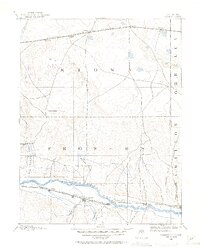 1890 Granada1962 Print · USGSSoutheast Colorado at the close of the nineteenth century was a landscape of expanding steel and water. Researchers can trace early railroad developments along the Missouri Pacific Railroad and locate pioneer outposts like Ellis Ranch or Granada.
 - 1891 Map of Albany
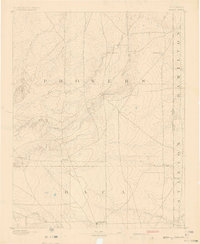 1891 Albany1891 Print · USGSThe Colorado-Kansas borderlands were a crossroads of historic transit in the early 1890s. Genealogists and historians can trace the paths of the Santa Fe Trail and Texas Trail past frontier outposts like Albany and Kline Ranche.
 - 1892 Map of Granada
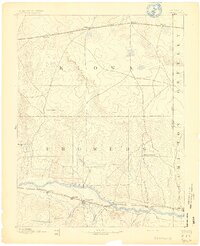 1892 Granada1892 Print · USGSThe high plains of eastern Colorado and western Kansas meet here in the late nineteenth century during a period of rapid railroad expansion. Researchers can trace the dual tracks of the Missouri Pacific Railroad and the Arkansas River route, locating early ranching landmarks like Ellis Rancho and Watsons Rancho.
 - 1893 Map of Albany
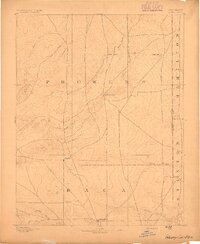 1893 Albany1893 Print · USGSThe high plains of the Colorado-Kansas border are documented here in the early 1890s, when overland travel routes still shaped the land. Local historians can trace the paths of the Santa Fe Trail and Texas Trail past early settlements like Albany and Kline Ranche.5 unique versions available
 - 1894 Map of Granada
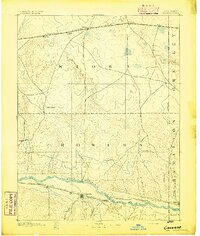 1894 Granada1894 Print · USGSSoutheast Colorado and the Kansas borderlands appear here in the 1890s as the railroad and river systems reshaped the plains. Genealogists and historians can trace early holdings like Ellis Ranch and vanished rail stops from Arden to Adana.4 unique versions available
 - 1900 Map of Syracuse
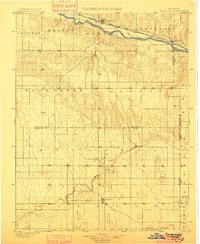 1900 Syracuse1900 Print · USGSWestern Kansas at the turn of the century shows a frontier landscape shaped by the Arkansas River and the arriving railroad. Genealogists and researchers can locate early settlements like Hatton, Edwin, and Gognac along with the path of the Atchison Topeka and Santa Fe.5 unique versions available
 - 1920 Map of Syracuse
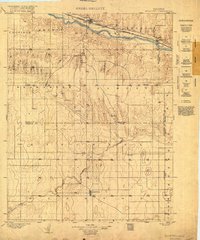 1920 Syracuse1920 Print · USGSWestern Kansas at the close of the frontier era centers on the vital Arkansas River valley and the reach of the railroad. Genealogists and local historians can trace early prairie settlements like Gognac, Hatton, and Kendall along the Atchison Topeka and Santa Fe line.
 - 1953 Map of Holly East, 1954 Print
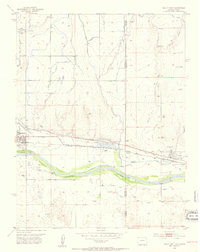 1953 Holly East1954 Print · USGSThe Arkansas River valley at the Colorado-Kansas border was a vital transit corridor in the early fifties. Historians can trace the Old Santa Fe Trail past the Site of Old Trail City and the rail-side towns of Holly and Coolidge.4 unique versions available
 - 1954 Map of Lamar, 1964 Print
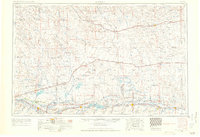 1954 Lamar1964 Print · USGSSoutheastern Colorado and the Kansas borderlands appear here in the mid-fifties, dominated by the vital Arkansas River irrigation network. Researchers can trace the development of river towns like Lamar and La Junta alongside the Amity Cemetery and several major reservoirs.3 unique versions available
 - 1955 Map of Holly NE, 1956 Print
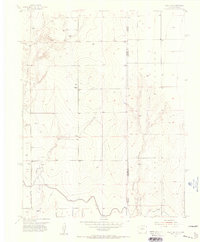 1955 Holly NE1956 Print · USGSThe Colorado-Kansas state line is captured here in the mid-1950s, showing a high-plains landscape shaped by vital irrigation. Genealogists and researchers can trace the path of the Amity Canal, locate a School (Aband), and explore the terrain of Coolidge Ridge.3 unique versions available
 - 1955 Map of La Junta, 1966 Print
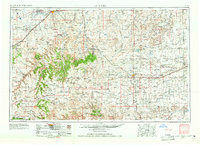 1955 La Junta1966 Print · USGSSoutheastern Colorado during the mid-fifties is captured here as a sprawling network of ranching outposts and rail sidings. Researchers can locate vanished landmarks like the Sunderland School, trace the isolated Lycan Post Office, or find the Bomb target (abandoned) on the western plains.3 unique versions available
 - 1955 Map of Dodge City, 1968 Print
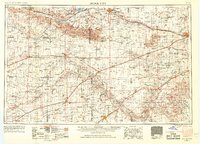 1955 Dodge City1968 Print · USGSSouthwest Kansas in the mid-fifties reveals an expansive landscape of cattle towns, early gas fields, and prairie outposts. Researchers can trace rural school districts like Moundview and Good Luck or locate the Kansas State Game Farm near Lakin.3 unique versions available
 - 1955 Map of Scott City, 1969 Print
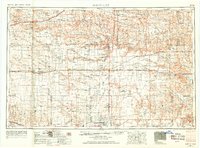 1955 Scott City1969 Print · USGSWestern Kansas in the mid-fifties is captured here as a landscape of rural schoolhouses and significant rail corridors. Family historians can trace the locations of Skyline and Beaver Creek Schools or follow the Union Pacific line through Oakley and Sharon Springs.4 unique versions available
 - 1958 Map of La Junta
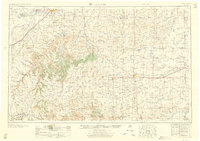 1958 La Junta1958 Print · USGSSoutheast Colorado and the Kansas borderlands appear in the late fifties as a landscape of isolated ranching outposts and vital rail junctions. Researchers can trace the lineage of vanished post offices and rural school sites like the Lycan Post Office and Sunderland School.2 unique versions available
 - 1958 Map of Lamar
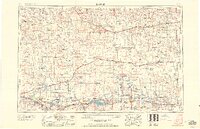 1958 Lamar1958 Print · USGSThe High Plains of Eastern Colorado and Western Kansas in the late fifties reveal a landscape tied to the Arkansas River and the rails. Trace the heritage of the river valley through Fort Lyon, the Atchison Topeka and Santa Fe RR, and rural landmarks like Kendrick Church.2 unique versions available
 - 1958 Map of Dodge City
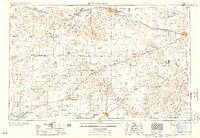 1958 Dodge City1958 Print · USGSSouthwest Kansas in the late fifties shows a landscape of river-valley agriculture and burgeoning energy infrastructure. Genealogists can trace rural life through numerous landmarks like Fairview Cemetery, the Goodwell School, and Concord Church.
 - 1958 Map of Scott City
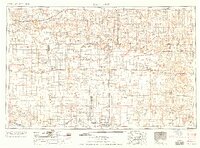 1958 Scott City1958 Print · USGSWestern Kansas at the peak of the post-war era reveals a landscape of high-plains agriculture and vital rail junctions. Genealogists and historians can trace old country school sites like Prairie Bell School, the landmark Chalk Pyramids, and small stops along the Union Pacific and Missouri Pacific.
 - 1959 Map of Dodge City
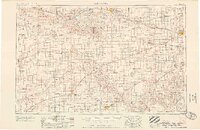 1959 Dodge City1959 Print · USGSSouthwest Kansas in the mid-fifties is captured at its agricultural height, centered on the vital rail and river hubs of Dodge City and Garden City. Genealogists and local historians can trace rural school districts like Shockey School and Hickok School or locate the Fairview Cemetery.
 - 1959 Map of Big Bow NE, 1960 Print
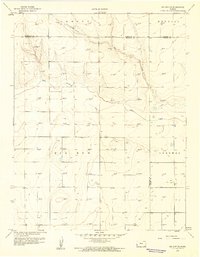 1959 Big Bow NE1960 Print · USGSSouthwest Kansas at the close of the 1950s shows a landscape transformed by the regional gas boom. Researchers can trace the drainage of Bear Creek through Big Bow and Sherman townships or locate numerous scattered Gas Well sites.
 - 1959 Map of Big Bow NW, 1960 Print
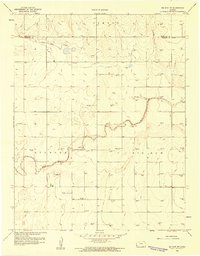 1959 Big Bow NW1960 Print · USGSWestern Kansas at the close of the fifties reveals a landscape transitioning from traditional ranching to an active gas-producing region. Genealogists and historians can locate the Mitchell Cem and trace the meandering courses of Bear Creek and Little Bear Creek through the Big Bow area.2 unique versions available
 - 1966 Map of Syracuse West SW, 1967 Print
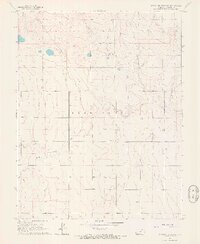 1966 Syracuse West SW1967 Print · USGSHamilton County, Kansas, is captured in the mid-1960s when high-plains agriculture and resource extraction shaped the local landscape. Researchers can locate the Bear Creek Cem, trace the course of North Bear Creek, and find the isolated School No C-2.
 - 1966 Map of Syracuse East SW, 1967 Print
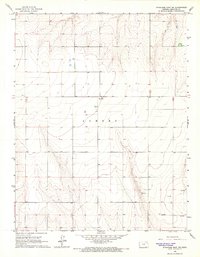 1966 Syracuse East SW1967 Print · USGSHamilton County agricultural lands and early energy development are captured here during the mid-sixties. Genealogists and local historians can locate rural landmarks such as Ebenflure Ch, the nearby Cem, and industrial Gas Well sites.
 - 1966 Map of Tribune 3 SW, 1967 Print
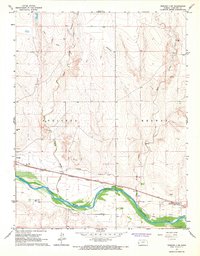 1966 Tribune 3 SW1967 Print · USGSWestern Kansas at the height of the mid-sixties reveals a landscape defined by the Arkansas River and its irrigation history. Researchers can trace the path of the Atchison Topeka and Santa Fe railroad and find the old Coolidge Cem and Medway settlement.2 unique versions available
 - 1966 Map of Syracuse East, 1967 Print
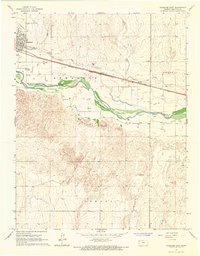 1966 Syracuse East1967 Print · USGSHamilton County in the mid-sixties reveals a river valley defined by heavy rail and irrigation. Genealogists and historians can trace the grid of Syracuse, locate the rail siding at Mayline, and study the expansive Shifting Sand dunes south of the Arkansas River.
 - 1966 Map of Durkee Creek NE, 1967 Print
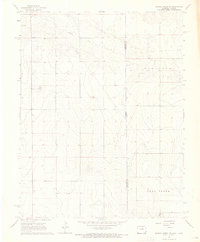 1966 Durkee Creek NE1967 Print · USGSThe high plains of the Prowers and Hamilton county line appear in the mid-1960s, showing the quiet landscape along the Colorado-Kansas border. Researchers can trace land use patterns through the Canal system, the flow of Bear Creek, and numerous rural wells.
Showing maps 1-25 of 204
Top cities of Hamilton County
Frequently asked questions
- What are the different types of historical maps available for Hamilton County?
- What is the oldest map of Hamilton County?
- Where can I purchase historical maps of Hamilton County for my home or office?
- Where can I download high-res historical maps of Hamilton County?
- Are there historical topographic maps available for Hamilton County?
- Is there historical aerial imagery available for Hamilton County?
- Where are historical maps of Hamilton County sourced from?