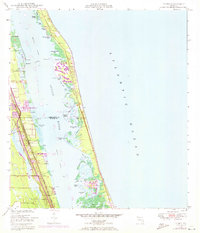
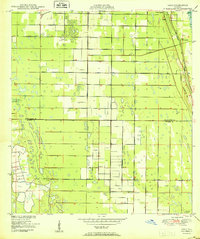
1948 Map of Indrio
USGS Topo · Published 1970About this map
Indian River and the complex barrier island system dominate this coastal survey, where the Intracoastal Waterway threads through a labyrinth of small islands and coves. The settlement of Viking and the community of Indrio sit along the corridor defined by the Florida East Coast railway, which runs parallel to the shoreline. The map reveals an interesting contrast between the developed mainland, featuring the St Lucie County Airport, and the largely natural terrain of the barrier islands. Numerous water features with evocative local names such as Hells Pocket, Starvation Cove, and Fish House Cove suggest a landscape deeply tied to fishing and maritime navigation. Revisions from 1970 aerial photography, shown in purple, highlight the growth of man-made canals and residential developments around Porpoise Bay and Garfield Cut, documenting the mid-century transition from wild wetlands to an engineered coastal environment.
Find a feature on this map
42 named features on this map. Tap any name to fly to it.
Don’t see what you’re looking for? This feature index may not catch every label — zoom into the map to look around manually.
Map Details
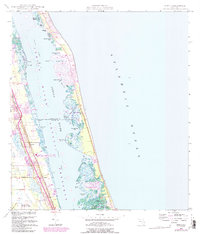
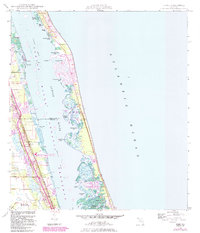
Editions of this 1948 Indrio Map
4 editions found
Other maps of this area
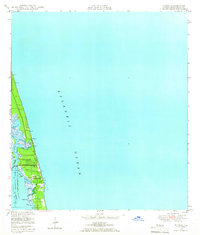
1948 · Riomar
USGS Topo · 1:24,000
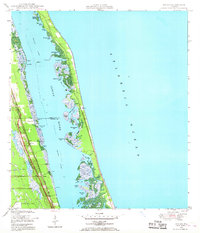
1948 · Indrio
USGS Topo · 1:24,000
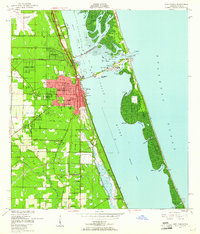
1949 · Fort Pierce
USGS Topo · 1:24,000
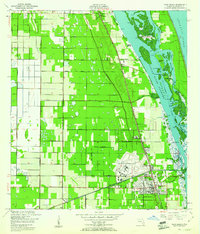
1949 · Vero Beach
USGS Topo · 1:24,000
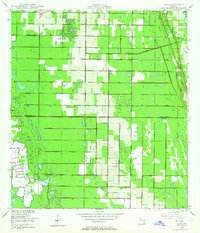
1949 · Oslo
USGS Topo · 1:24,000
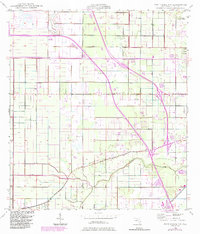
1949 · Fort Pierce NW
USGS Topo · 1:24,000
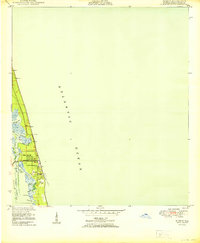
1950 · Riomar
USGS Topo · 1:24,000
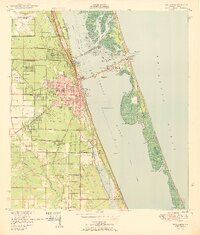
1950 · Fort Pierce
USGS Topo · 1:24,000
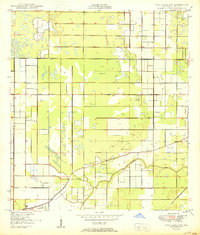
1950 · Fort Pierce NW
USGS Topo · 1:24,000
1950 · Oslo
USGS Topo · 1:24,000