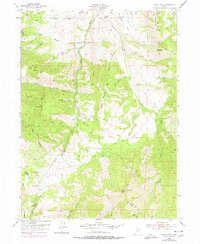
1955 Map of James Peak
USGS Topo · Published 1978About this map
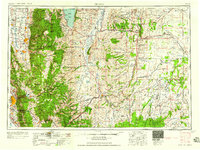
James Peak and the high ridges of the Cache National Forest dominate this mid-century survey along the border of Weber and Cache counties. The landscape is defined by the steep drainage systems of the Little South Fork Bear River and the South Fork Little Bear River, where numerous hollows and canyons bear the names of early settlers and ranching activities. Evidence of the area's resource history is scattered throughout the drainages, including the Honey Bee Mine and Bluebell Mine, as well as the Shingle Mill Hollow, indicating early timber or milling operations. Human activity is largely limited to remote outposts like the Fourmile Ranch and a network of primitive routes such as the Flint Grove Road and Davenport Road. The map provides a detailed look at the complex topography of Middle Mountain and McKenzie Mtn before significant modern development reached these higher elevations.
Find a feature on this map
50 named features on this map. Tap any name to fly to it.
Don’t see what you’re looking for? This feature index may not catch every label — zoom into the map to look around manually.
Map Details
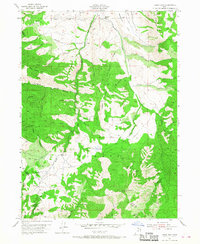
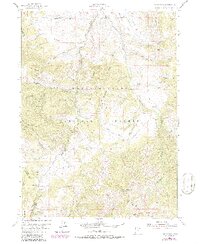
Editions of this 1955 James Peak Map
4 editions found
Other maps of this area
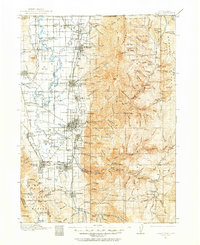
1914 · Logan
USGS Topo · 1:125,000
1916 · Logan
USGS Topo · 1:125,000
1954 · Ogden
USGS Topo · 1:250,000
1955 · Paradise
USGS Topo · 1:24,000
1955 · Mantua
USGS Topo · 1:24,000
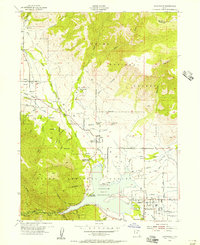
1955 · Huntsville
USGS Topo · 1:24,000
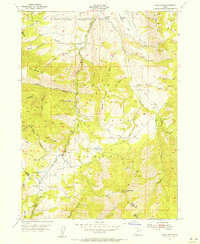
1955 · James Peak
USGS Topo · 1:24,000
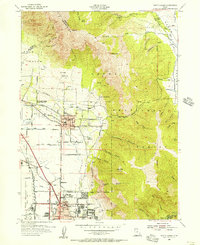
1955 · North Ogden
USGS Topo · 1:24,000
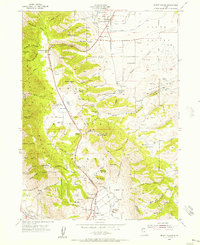
1955 · Mount Pisgah
USGS Topo · 1:24,000
1958 · Ogden
USGS Topo · 1:250,000
Featured Places
- Sundown Condominiums at Powder Mountain, UT
- Powder Mountain, UT
- Weber County, UT
- Cache County, UT
- Box Elder County, UT