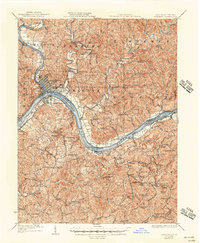
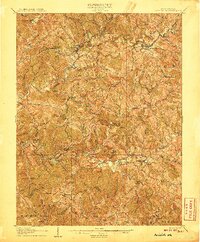
1927 Map of Marietta
USGS Topo · Published 1948About this map
The Muskingum River joins the Ohio River at the historic riverfront of Marietta, where industrial and transit patterns of the early twentieth century are clearly defined. Across the water, Williamstown and the adjacent Harmar district show established street grids connected by rail and river commerce, including the Baltimore and Ohio RR and a designated Steamboat Route. The rural hinterlands of Washington County, Ohio, and Wood County, West Virginia, are dotted with family-named landmarks and local institutions like the Burnt Hill Church, Fivemile School, and Pigeonroost Run School. The landscape is further defined by the Bull Boundary Line and numerous islands such as Willow Island and Buckley Island, illustrating the complex social and topographic geography of the river valley before modern highway expansion.
Find a feature on this map
135 named features on this map. Tap any name to fly to it.
Don’t see what you’re looking for? This feature index may not catch every label — zoom into the map to look around manually.
Map Details
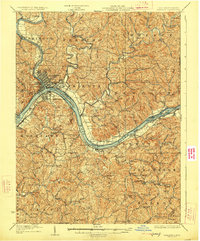
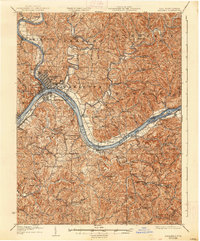
Editions of this 1927 Marietta Map
3 editions found
Other maps of this area
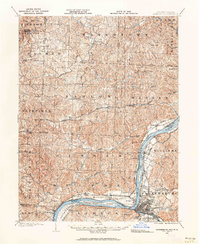
1902 · Parkersburg
USGS Topo · 1:62,500
1903 · Macksburg
USGS Topo · 1:62,500
1904 · Parkersburg
USGS Topo · 1:62,500
1904 · Marietta
USGS Topo · 1:62,500
1905 · New Matamoras
USGS Topo · 1:62,500
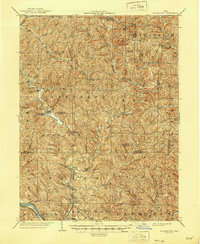
1905 · Macksburg
USGS Topo · 1:62,500
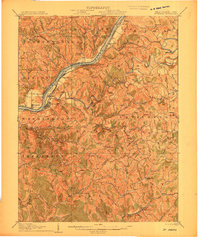
1906 · Saint Marys
USGS Topo · 1:62,500
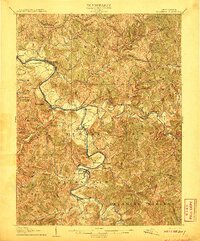
1906 · Elizabeth
USGS Topo · 1:62,500
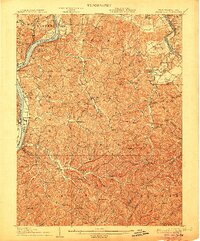
1906 · Belleville
USGS Topo · 1:62,500
1907 · Harrisville
USGS Topo · 1:62,500